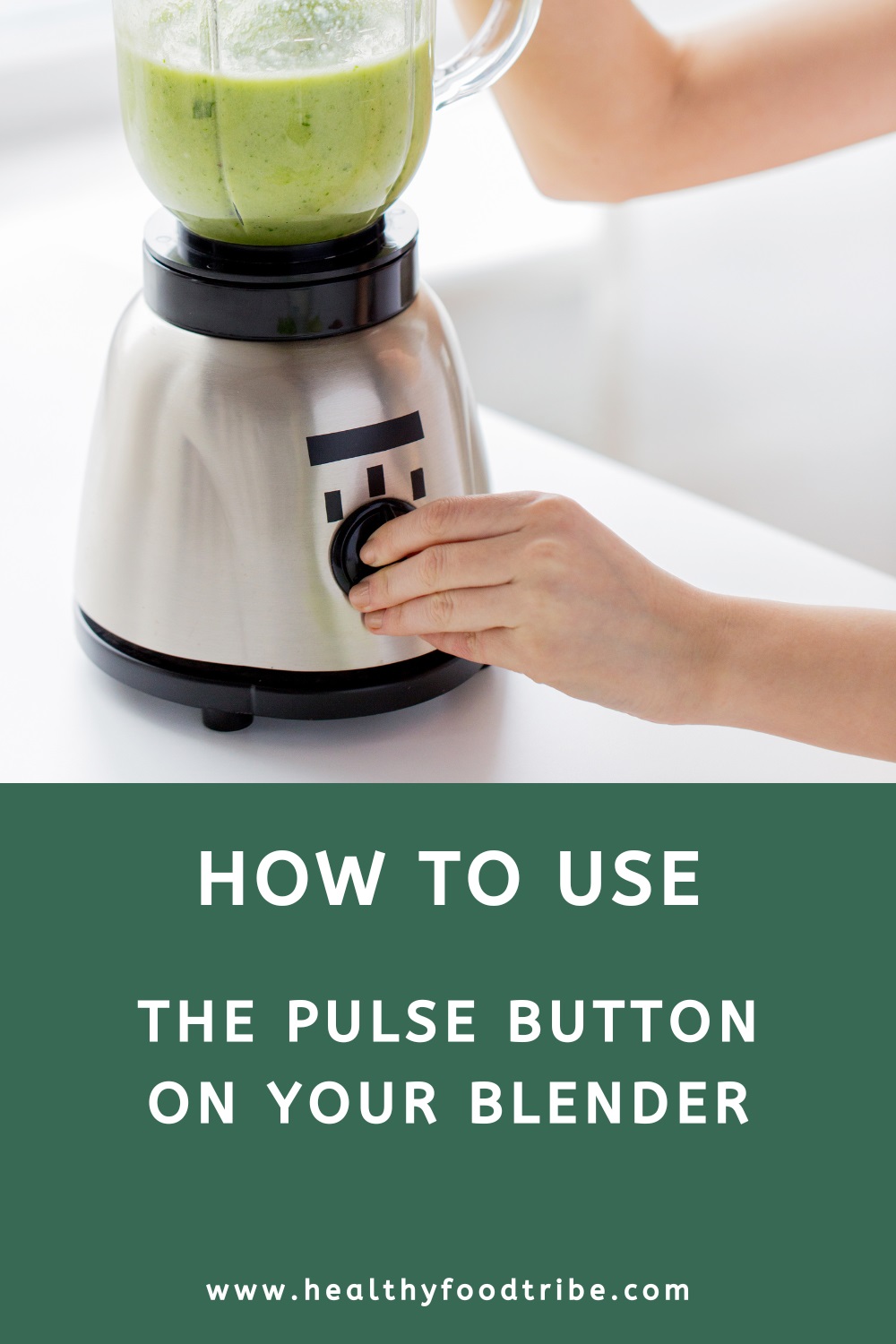
To use pulse mode, press or turn the pulse control for a short burst, release it, check the food, and repeat until you get the texture you want.
From making salsa for a backyard cookout to chopping onions for a weeknight dinner, a mixer grinder can save time in an American kitchen. Yet, many home cooks use only the regular speed settings and overlook the small pulse button. This setting gives you better control when you want chopped food instead of a smooth paste.
Pulse mode runs the blades for a short time each time you activate it. You can stop between bursts, check the food, and decide whether it needs more work. This makes it useful for chopping nuts, preparing chunky sauces, crushing suitable ice, and starting some grinding tasks.
The exact control varies by brand and model. Some mixer grinders have a button that works only while you hold it. Others use a knob that you turn briefly and release. A few have a preset pulse button that runs one programmed burst. Always check your appliance manual before using the function, especially when working with hard foods or ice.
The basic method is simple: prepare the ingredients, choose the correct jar, secure the lid, and use short bursts. Stop the motor before checking the texture or moving any food. With a little practice, you can avoid overprocessing and get more consistent results.
Pulse mode is a short-burst operating function. It starts the motor and blades for a brief period, then stops when you release the control or when a preset cycle ends. Unlike a regular speed setting, it gives you control over how often and how long the blades run.
Think of it as tapping a button rather than keeping your finger on a switch. Each tap gives the food another short round of cutting. You can pause between rounds and check whether the pieces are small enough.
Many mixer grinders use a P symbol or a button marked Pulse. Some models have a spring-loaded knob that moves toward a pulse position and returns when released. The operation is not the same on every appliance, so the user manual is the final guide.
Pulse mode can help with both wet and dry ingredients. However, the best result depends on the jar, blade design, food quantity, and moisture level.
Source: healthyfoodtribe.com
Short operation
The motor runs for a brief period instead of staying on continuously.
Better control
You can stop between bursts and check the size and texture of the ingredients.
Flexible results
It can help produce coarse, chunky, or partly ground food when used with the right jar and blade.
How Is Pulse Mode Different From Regular Speed?
Regular speed keeps the motor running while the control remains in an active position. This is useful when you want a steady blend, smooth puree, or longer grinding cycle. Pulse mode gives you separate periods of operation with pauses between them.
For example, regular speed can turn ripe tomatoes into a smooth puree. Pulse mode can break them into smaller pieces while leaving some texture. The result still depends on the number of bursts and the type of blade.
Pulse does not always mean low speed. Some appliances run the motor at a high speed during each pulse. The main difference is the short operating period, not necessarily a slower blade.
Pulse setting
Best when you need short bursts and want to inspect the food between cycles.
Low speed
Useful for steady processing when a recipe needs gentle or controlled continuous blending.
High speed
Useful for tasks that need continuous, stronger blending or grinding, provided the manual allows it.
How To Use Pulse Mode In Mixer Grinder Step By Step
The easiest way to use pulse mode is to prepare everything before switching on the appliance. This keeps the process controlled and reduces the need to open the jar or handle food while the blades are moving.
Before starting, read the instructions for your exact model. Check whether the pulse control needs to be held down, turned briefly, or pressed once for an automatic cycle. Also check the permitted jar capacity and whether the manufacturer allows your chosen ingredient.
Source: manuals.plus
What you need
A mixer grinder, the correct jar and blade, prepared ingredients, a secure lid, and a dry, stable countertop.
Before you begin
Make sure the appliance is unplugged while fitting or changing jars and accessories. Check that the blade and lid are correctly fitted.
Step 1: Prepare Your Ingredients
Wash vegetables, remove unwanted parts, and cut large ingredients into smaller pieces. Smaller pieces are easier to process and can reduce the chance of food becoming stuck around the blades.
Remove hard pits, stems, bones, and other parts that your appliance is not designed to process. Let hot cooked food cool fully before putting it in the jar if the manufacturer requires it. Never assume that a regular jar can handle hot food.
For dry ingredients, check that they are suitable for the grinding jar. Do not add too much food at once. A crowded jar may prevent the blades from moving food evenly.
For vegetables
Cut onions, carrots, and similar foods into manageable pieces.
For nuts
Use the recommended jar and process a suitable quantity at a time.
For herbs
Remove tough stems when needed and use a suitable dry or wet processing method.
Step 2: Choose The Correct Jar And Blade
Select the jar based on the food and the job. A small grinding jar may work for a modest amount of dry ingredients, while a larger jar may suit wet mixtures. Some models also have a separate chutney or chopping jar.
Check the blade before use. A dry grinding blade, wet grinding blade, and chopping blade may have different purposes. Using the wrong attachment can lead to poor results or damage.
Make sure the blade assembly is secure. Do not attempt to tighten or change a blade while the appliance is connected to power.
Step 3: Add The Ingredients
Place the prepared food inside the selected jar. Follow the maximum fill line or capacity listed in the manual. If your ingredients need liquid, add only the amount recommended for that recipe and appliance.
For chopped food, leave enough room for ingredients to move around the blades. A jar filled too tightly may produce uneven pieces. It can also place extra strain on the motor.
Do not run an empty jar. Do not use pulse mode to force a jammed blade to move.
Step 4: Secure The Lid And Lock The Jar
Place the lid on the jar and check that it fits correctly. If your appliance has a locking system, make sure the jar is properly seated on the motor base. Some models will not operate unless the jar is locked in place.
Keep your hands away from the blade area. Never start the mixer grinder with an open lid or a loose jar. If the appliance has a lid cap, fit it as directed in the manual.
Step 5: Activate Pulse Mode
Connect the appliance to a suitable power outlet and switch it on according to the manual. Find the P or Pulse control. If your model uses a hold-to-run control, press it briefly and release it. If it has a single-pulse preset, press once and let the programmed cycle finish.
For a rotary control, follow the direction shown in the manual. Some Bosch mixer grinder models, for example, use a brief turn of the speed selector knob in the pulse direction, followed by release. Other models use a separate button.
Start with a short burst. There is no single burst time that works for every mixer grinder or every food. Motor design, blade shape, and ingredient size all affect the result.
Step 6: Stop And Check The Texture
Release the control and wait for the blades to stop fully. Look through the jar if it is transparent. Check whether the pieces are large, small, coarse, or smooth enough for your recipe.
If you need a finer result, close the lid securely and use another short burst. Repeat this process until you reach the texture you want. Do not keep pulsing without checking, as small pieces can quickly turn into a paste.
If food sticks to the sides, switch the appliance off, unplug it, and wait for the blades to stop. Only then remove the lid and use a suitable spatula if the manual permits it.
Step 7: Turn Off And Clean The Appliance
Once the food is ready, turn the control to OFF and switch off the power. Unplug the appliance before removing the jar or cleaning any parts that could expose the blades.
Empty the jar carefully. Wash removable parts according to the manufacturer’s instructions and dry them before storage. Wipe the motor base with a suitable damp cloth, but never immerse the motor unit in water.
Check the blade and jar for trapped food. Clean the parts after use so that old food does not dry around the blade assembly.
When Should You Use Pulse Mode?
Pulse mode is most useful when you want control over the size of food pieces. It works well for some chopping, crushing, and grinding tasks where continuous operation may process the food more than you want.
It is also useful as a starting step in some recipes. A few short bursts can break large ingredients into smaller pieces before you switch to a regular speed, if the appliance manual and recipe allow it.
However, pulse mode is not a universal setting. Some foods need a steady blend to move properly through the jar. Other foods may need a specific blade or a different appliance.
Source: 5.imimg.com
Chopping onions
Short bursts can break onions into small pieces while giving you a chance to stop before they become watery.
Making salsa
Pulse in stages to keep some tomato, onion, and pepper pieces instead of making a smooth sauce.
Crushing nuts
Use a suitable dry grinding jar and short bursts to control the size of the pieces.
Preparing chutney
Pulse can help start the grinding process or produce a coarse texture. Follow the jar and recipe instructions.
Crushing ice
Use this function only if the manufacturer specifically permits ice crushing and identifies the correct jar.
Chopping herbs
Short bursts can help prevent delicate herbs from becoming a wet paste.
Using Pulse Mode For Salsa
Salsa is a good example of why short bursts matter. If you run the motor continuously, tomatoes and other soft ingredients may quickly become a thin liquid. Pulse mode lets you break the ingredients into smaller pieces while keeping some texture.
Cut the ingredients into manageable pieces and use a suitable jar. Add the ingredients in a way that does not exceed the recommended capacity. Pulse briefly, stop, and inspect the mixture before continuing.
If you want a chunky salsa, stop while you can still see small pieces. If you want a smoother sauce, use a suitable continuous setting after checking the recipe and appliance instructions.
Using Pulse Mode For Nuts And Seeds
Nuts can move from coarse pieces to fine powder quite quickly. Pulse mode gives you a chance to check their texture before processing them further.
Use the correct dry grinding jar. Work with a quantity that allows the ingredients to move freely. If the manual gives a specific quantity limit, follow it rather than filling the jar to the top.
Stop if the mixture begins to form a thick paste or if the jar becomes unusually warm. Some nuts release oil during grinding, so longer processing may change the texture.
Using Pulse Mode For Chutney
A chutney jar may be designed for small quantities of herbs, spices, coconut, or other ingredients. Pulse mode can help break the food into pieces before finer grinding.
Add liquid only when the recipe or appliance instructions call for it. Too much liquid can make a thick chutney runny, while too little may prevent the mixture from moving around the blade.
Check the food between bursts. If the ingredients stick to the sides, switch off, unplug, and wait until the blades stop before scraping the jar.
Pulse Mode Vs Regular Speed: Which One Should You Choose?
Choose pulse mode when you want to control the amount of processing. Choose a regular speed when the recipe needs a steady blending or grinding action.
The right setting depends on the result you want, not simply on how hard or soft the food is. For example, a tomato may need pulse mode for chunky salsa but continuous blending for smooth puree.
The following table gives general guidance. It does not replace the speed and ingredient instructions for your exact mixer grinder.
Source: www.youtube.com
Choose pulse
When you need separate bursts, want to check the texture often, or need to avoid overprocessing.
Choose regular speed
When the ingredients need continuous movement or a smooth, uniform result.
Check the manual
When processing ice, hard foods, meat, or any ingredient with special blade or capacity requirements.
A Simple Setting Guide
Use this guide as a starting point when your appliance supports the listed task. The exact setting and jar may differ between models.
Chunky salsa
Pulse in short bursts and inspect the texture after each round.
Smooth tomato puree
Use the regular speed recommended by the manufacturer.
Coarse nuts
Pulse with a suitable dry grinding jar and stop before the pieces become powder.
Smooth nut paste
Use an approved method and suitable appliance setting. Check for motor and jar limits.
Smooth milkshake
Use the blending speed or preset listed in the manual.
Chopped herbs
Use short bursts and check often to avoid turning the herbs into a wet mixture.
How Many Times Should You Press Pulse Mode?
There is no fixed number of pulses for every ingredient. A soft tomato needs less processing than a hard nut, while the amount of food in the jar also changes the result.
Some manufacturer recipes provide a specific pulse count for a particular model and recipe. For example, a Bosch recipe manual gives repeated one-second pulses for certain dry masala preparations. That instruction applies to the listed recipe and appliance setup, not every mixer grinder.
For everyday use, begin with a brief activation and inspect the result. Add another burst only when needed. This approach is more reliable than following a universal count that may not suit your machine.
Source: kitchenwink.com
Start small
Use one short burst to see how your ingredients respond.
Check between bursts
Stop the motor fully before checking the food or opening the lid.
Adjust gradually
Use more bursts only when the texture still needs work.
Follow model limits
Use the exact operating time and rest periods stated in your user manual.
What Changes The Number Of Pulses?
Ingredient size is one major factor. Large pieces may need more processing than small pieces. Soft food also breaks down faster than many firm ingredients.
Jar size and blade shape matter too. A small jar may process a small quantity more evenly, while a large jar with too little food may not move ingredients toward the blade in the same way.
Moisture changes the result. Wet ingredients can turn into a puree quickly, while dry ingredients may need a different blade and more careful handling. Do not add liquid just to make the motor run unless the recipe and manual allow it.
Common Mistakes To Avoid When Using Pulse Mode
Pulse mode is easy to use, but a few mistakes can lead to poor food texture, extra strain on the motor, or injury. Most problems happen when users rush the process or treat the pulse control like a regular speed setting.
Use the function in short, controlled rounds. Stop the appliance before checking the ingredients, and never try to fix a jam while the blades are moving.
Source: excelebiz.in
Holding the pulse control too long
Long activation can process food more than intended. It may also conflict with the appliance’s operating limits.
Filling the jar too much
An overloaded jar can prevent even processing and place extra strain on the motor.
Using the wrong jar
A jar designed for wet blending may not be suitable for every dry grinding or chopping task.
Opening the lid while running
Always stop the motor and wait for the blades to come to a complete stop first.
Using pulse to clear a jam
Switch off and unplug the machine. Remove the obstruction only after the blades stop and the appliance is safe to handle.
Ignoring unusual heat or smells
Stop using the appliance if you notice smoke, a burning smell, or abnormal heat. Follow the manufacturer’s cooling and service instructions.
Why Does Food Turn Into A Paste Too Quickly?
The most common reason is too much processing. Soft ingredients can break down very fast, especially when the jar contains a large amount of moisture.
The solution is to use fewer bursts and check the mixture more often. You can also process a smaller amount at a time if the jar is overloaded.
If the food is already too smooth, another pulse will not restore its original texture. For your next batch, start with less processing and stop sooner.
Why Does The Mixer Grinder Stop During Pulse Operation?
A motor may stop because the jar is not fitted correctly, the appliance is overloaded, the blade is blocked, or a thermal protection system has activated. Some models also use jar-lock systems that prevent operation when the attachment is not seated properly.
Switch the appliance off and unplug it. Check the jar, blade, food quantity, and power supply only when the machine is safe to handle. If the motor is hot, let it cool for the period stated in the manual.
Do not keep restarting a machine that repeatedly stops. If the problem continues, contact the manufacturer’s service center rather than opening the motor housing yourself.
Safety Tips For Using Pulse Mode
Safe operation starts before you press the button. Keep the mixer grinder on a dry, level surface and check that the cord, plug, jar, lid, and blade assembly are in good condition.
Keep children away from the running appliance. Do not touch the blades or moving parts, even when the motor appears to have stopped. Wait until all movement has ended before opening the jar.
Use only the accessories approved for your model. Do not place your hands, spoons, or spatulas inside a running jar. Unplug the machine before cleaning, changing blades, or removing food that is stuck around the cutting area.
Source: wonderchef.com
Check the power connection
Use a suitable outlet and make sure the plug and cord are not damaged or wet.
Secure the jar
Fit the jar and lid correctly before starting the motor.
Keep the lid closed
Never open the lid while the blades are moving.
Avoid hot ingredients
Cool cooked food first unless your exact appliance is specifically designed and approved for hot processing.
Respect operating limits
Follow the manual’s maximum capacity, operating time, and cooling periods.
Stop when something seems wrong
Turn off the appliance if you notice smoke, burning smells, damaged parts, or unusual vibration.
Can You Use Pulse Mode For Hot Food?
Do not assume that pulse mode makes a mixer grinder safe for hot food. The short burst does not remove the risks linked to steam, pressure, splashing, or heat damage.
Some mixer grinders are not designed for hot ingredients at all. Follow the manufacturer’s instructions and allow hot food to cool before processing when required.
If you need to puree hot soup, use an appliance and method specifically approved for that purpose. A standard mixer grinder should not be treated as a substitute for a heat-rated blender.
Can You Put Your Hand Or A Spoon In The Jar Between Pulses?
No. Release the pulse control, switch the appliance off, and unplug it before reaching into the jar. Wait until the blades have stopped completely.
Use a suitable spatula to remove food from the sides only when the appliance is unplugged. Keep fingers away from sharp blade edges because they can cause cuts even when the motor is off.
What To Do When Pulse Mode Does Not Work
If the pulse button does not start the motor, check the simple causes first. The problem may be related to the power supply, jar position, lid lock, overload protection, or an obstruction.
Do not dismantle the motor base or attempt electrical repairs. If basic checks do not solve the issue, contact an authorized service provider.
Source: healthyfoodtribe.com
The pulse button does nothing
Check the power connection, OFF position, jar alignment, and lid lock. Follow the manual for the correct pulse activation method.
The blades do not turn
Switch off and unplug the appliance. Check whether too much food or a hard piece is blocking the blade.
The machine stops suddenly
An overload or thermal protection system may have activated. Allow the unit to cool and follow the manual’s reset procedure.
The food remains uneven
Check the jar selection, blade type, ingredient size, and fill level. Process a smaller quantity if needed.
The appliance makes unusual noise
Stop using it and check for a loose jar or incorrectly fitted accessory after unplugging. Seek service if the noise continues.
When Should You Contact A Service Center?
Contact an authorized service center if the pulse control is damaged, the motor repeatedly stops, the appliance produces smoke, or the power cord is damaged. A loose or damaged blade assembly also needs attention before further use.
Do not bypass a safety lock or overload protector. These features are designed to prevent operation under certain unsafe or abnormal conditions.
Keep the model number and a description of the problem ready when contacting support. This helps the service team identify the correct instructions and replacement parts.
How To Get Better Results From Pulse Mode
Good results come from matching the ingredient, jar, blade, and operating method. You do not need to run the motor for a long time to get a useful result. In many cases, a few carefully checked bursts are enough.
Keep the amount of food within the manufacturer’s limits. If the ingredients are not moving properly, stop the motor and check the arrangement rather than pressing the button again and again.
For recipes that need an exact texture, prepare a small test batch first. This lets you learn how your particular mixer grinder responds without risking an entire recipe.
Source: www.youtube.com
Use evenly sized pieces
Similar-sized pieces can help the blades process ingredients more evenly.
Do not rush
Use a short burst, stop, and inspect the food before continuing.
Choose the right jar
Use the jar and blade recommended for the ingredient.
Avoid overfilling
Leave enough space for ingredients to move around the jar.
Clean after use
Remove food residue from the jar and blade assembly according to the manual.
A Practical Example: Chopping Onions For Dinner
Suppose you need chopped onions for tacos or a homemade burger topping. Start by peeling the onions and cutting them into manageable pieces. Use a suitable chopping or grinding jar if your appliance provides one.
Secure the lid and activate pulse mode briefly. Stop and inspect the pieces. If they are still too large, close the lid and use another short burst.
Stop when the onion pieces match your recipe. If you keep pulsing after that point, the onions may release more liquid and become a wet mixture.
A Practical Example: Preparing Coarse Nuts
For a salad topping or baked dessert, you may want chopped nuts rather than fine nut flour. Place a suitable amount in the approved dry grinding jar and secure the lid.
Use a brief pulse and inspect the pieces. Continue only if the nuts are still larger than you want. Stop before the released oils turn the mixture into a thick paste.
This same check-and-repeat method can help with some seeds and dry ingredients, provided your mixer grinder manual allows them.
Reader Question Gap Map: What To Check Next
A useful pulse-mode guide should explain more than where the button is. Readers also need to know how the function behaves with different foods, how to avoid overprocessing, and what to do when the motor stops.
Manufacturer manuals provide model-specific operating instructions and safety limits. The practical examples in this guide are general applications, not a claim that every mixer grinder supports every task.
Source: 5.imimg.com
How long should I hold the pulse button?
Reader stage: During use. Basis: Inferred next need from the task. Coverage in the reviewed manuals: Model-specific instructions are available, but no universal time applies. Benefit: Prevents users from assuming every appliance has the same pulse duration. Priority: High. Placement: Step-by-step instructions and pulse-count section.
Can I use pulse mode for ice?
Reader stage: Before use. Basis: Observed in manufacturer documentation. Coverage: Bosch and Philips materials describe ice-related functions, but the permitted jar and settings depend on the model. Benefit: Helps prevent unsuitable use. Priority: High. Placement: Suitable applications and safety section.
Why does my food become a paste?
Reader stage: After processing. Basis: Inferred next need from the texture-control task. Coverage: Shallow in basic operating instructions. Benefit: Explains how to reduce processing and inspect the food. Priority: High. Placement: Common mistakes.
Why does the motor stop?
Reader stage: During troubleshooting. Basis: Observed in Philips, Bosch, and Atomberg manuals. Coverage: Manuals explain overload protection and jar-position checks for their own models. Benefit: Gives readers a safe troubleshooting order. Priority: High. Placement: Troubleshooting section.
Can pulse mode replace regular speed?
Reader stage: Choosing a setting. Basis: Inferred next need from the main task. Coverage: Basic setting differences appear in manufacturer instructions, but practical food examples vary. Benefit: Helps readers select a setting based on the desired texture. Priority: Medium. Placement: Pulse versus regular speed.
Frequently Asked Questions
Q
What Is The Main Purpose Of Pulse Mode In A Mixer Grinder?
Pulse mode runs the blades in short bursts. Its main purpose is to give you more control over chopping, crushing, and grinding. You can stop between bursts to check the texture and prevent food from becoming too smooth.
Q
Is Pulse Mode The Same As High Speed?
No. Pulse mode describes how the motor operates for short periods, while high speed describes the motor’s speed setting. Some appliances use a high blade speed during each pulse, but the exact operation depends on the model.
Q
Can I Use Pulse Mode To Make Smoothies?
You may use pulse mode for an initial break-up of suitable ingredients if your manual allows it. However, a regular blending speed or smoothie preset is usually more suitable for a smooth, uniform drink. Follow the jar capacity and liquid instructions.
Q
Can I Use Pulse Mode Every Day?
Yes, you can use it regularly for tasks that your mixer grinder supports. However, follow the recommended operating time, rest periods, jar limits, and accessory instructions. Stop if you notice unusual heat, smoke, or a burning smell.
Q
Why Does My Mixer Grinder Not Start When I Press Pulse?
Check that the power supply is working and that the jar and lid are fitted correctly. Your model may require a particular knob position or locking step before pulse mode works. If the motor has overheated or the overload protector has activated, follow the manual’s cooling and reset instructions.
Q
Can I Use Pulse Mode Without Liquid?
That depends on the ingredient, jar, and appliance. Many dry grinding tasks do not need liquid, while some wet mixtures require it to move around the blade. Never run an empty jar, and follow the manufacturer’s instructions for each type of food.
Q
Does Pulse Mode Help Prevent Overheating?
Short bursts can reduce the time the motor runs during a task, but they do not guarantee that the appliance will stay cool. Overloading, blocked blades, long operating sessions, and unsuitable ingredients can still cause overheating. Follow the manual’s operating and cooling limits.
Q
Should I Unplug The Mixer Grinder Before Checking The Food?
Yes. Turn the control to OFF, switch off the power, and unplug the appliance before opening the jar or using a spatula to move food. Wait until the blades have stopped completely. Never put your fingers or utensils into a running jar.
✦ Wrapping Up
Conclusion
Learning how to use pulse mode in mixer grinder is simple once you understand how the function works. It gives you short bursts of blade movement, which can help you control the texture of chopped vegetables, nuts, chutneys, and other suitable ingredients.
The key is to prepare the food, choose the correct jar, secure the lid, and begin with a short burst. Stop the motor and inspect the result before using another burst. This simple method can help prevent overprocessing and make food preparation easier.
Remember that pulse controls differ between mixer grinder models. Some need to be held, some need a quick turn, and others run a preset cycle. Your user manual should always guide the exact operation, food limits, and safety steps.
With the right setup and careful use, pulse mode can become a helpful part of your daily kitchen routine. Use it when you need control, and switch to regular speed when a recipe calls for continuous blending or grinding.
💡 Key Takeaway
For your next recipe, choose a suitable jar, prepare the ingredients, and try one short pulse. Stop, check the texture, and repeat only if needed. Always follow your mixer grinder manual and unplug the appliance before opening or cleaning the jar.