Yes, you can press garlic without a garlic press. Use a chef’s knife, fork, microplane, mortar and pestle, or the flat side of a spoon to crush fresh garlic.
Preparing dinner in an American kitchen often means reaching for fresh garlic. You might need it for spaghetti sauce, homemade pizza, roasted vegetables, garlic bread, or a quick chicken marinade. But what happens when a recipe calls for pressed garlic and your kitchen drawer does not contain a garlic press?
There is no need to stop cooking or make an extra trip to the grocery store. You can crush garlic with common kitchen tools and get a result that works well in most recipes. A sharp knife is often the easiest choice, while a microplane or mortar and pestle can help you make a finer paste.
The best method depends on the texture you need and the amount of garlic you are preparing. Some methods produce small pieces, while others break the clove down into a soft paste. Understanding these differences helps you choose the right method without changing the taste or texture of your meal more than necessary.
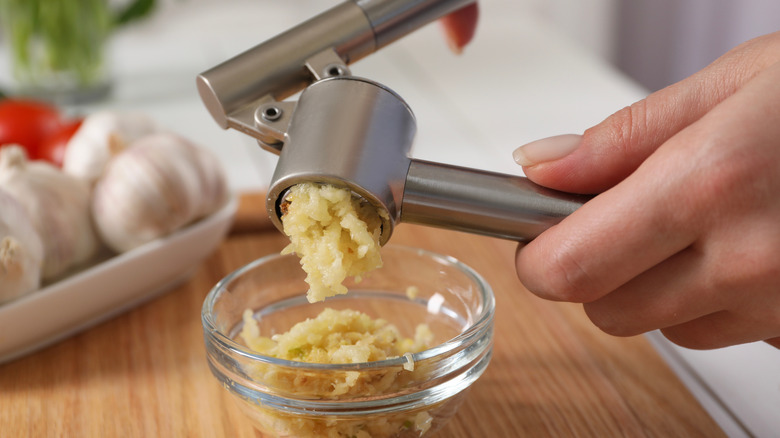
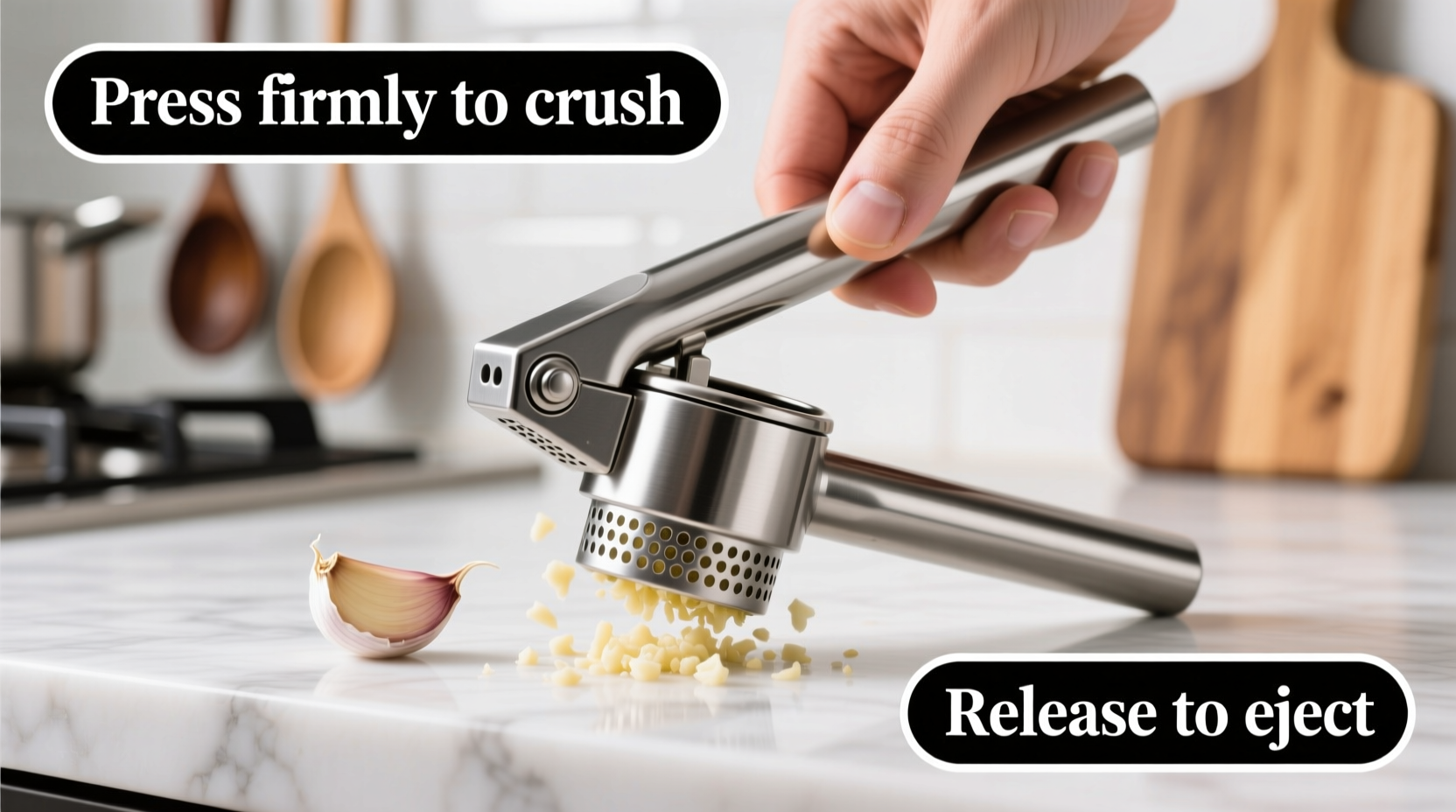
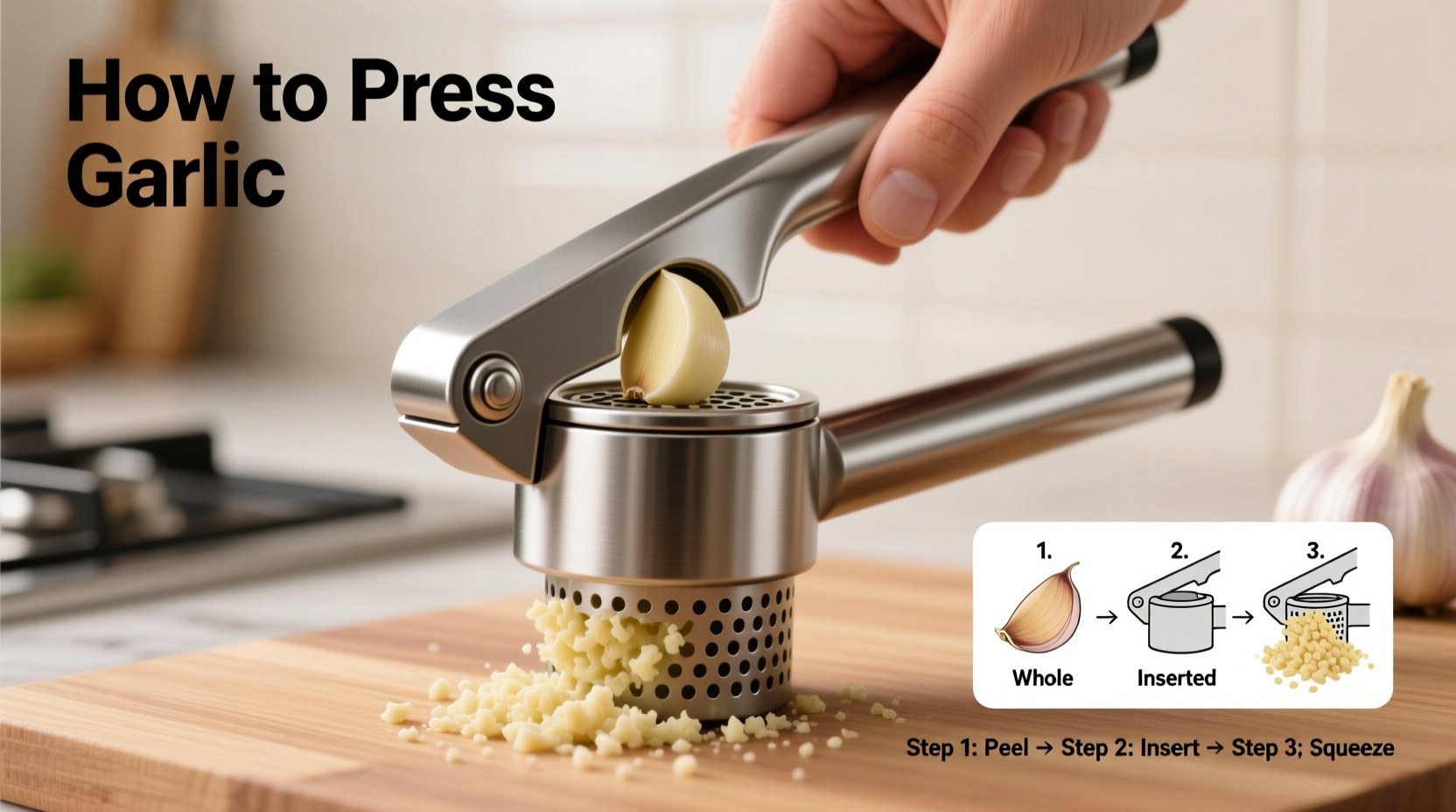
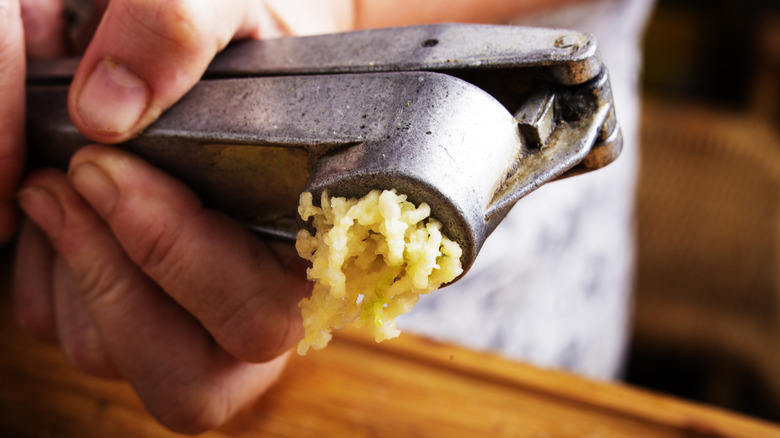
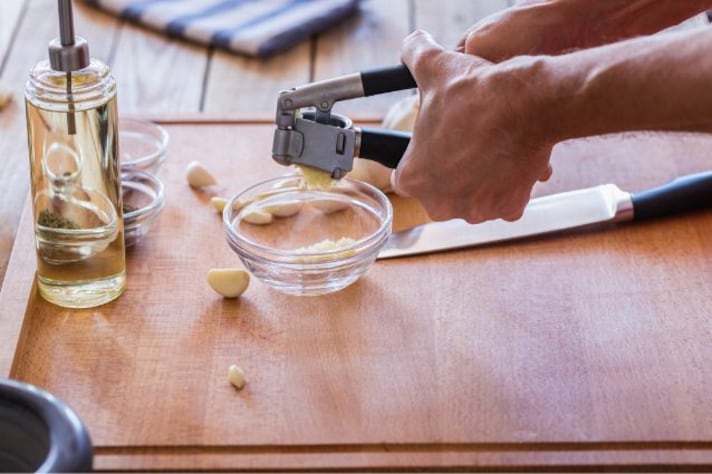
A garlic press is designed to squeeze a peeled or unpeeled clove through small holes. This breaks the garlic into tiny pieces and releases its juices. However, the tool is not the only way to achieve that result.
Fresh garlic has a soft interior that becomes easy to crush after you remove its papery skin. A knife, fork, grater, or other firm kitchen tool can break down the clove. You can then chop or mash it until it reaches the texture your recipe needs.
The main difference is how much effort each tool requires and how fine the garlic becomes. A knife gives you more control over the size of the pieces, while a grater creates very fine garlic quickly. A fork is useful when you only have one or two cloves to prepare.
Source: s.alicdn.com
You do not need special equipment
Common kitchen tools can crush or mince fresh garlic. A cutting board and a sharp knife are enough for most everyday recipes.
Texture can change the flavor
Finely crushed garlic has more exposed surfaces than a whole clove. This can create a stronger, more intense garlic flavor.
You can choose your preferred consistency
Stop chopping when you have small pieces, or continue mashing until the garlic becomes a thick paste.
Pressed Garlic vs. Minced Garlic vs. Crushed Garlic
These terms are related, but they do not always describe the same texture. Pressed garlic is usually very fine and moist because the clove is forced through small holes. Minced garlic consists of tiny chopped pieces, while crushed garlic may range from a smashed clove to a thick paste.
For most home recipes, these forms can work in similar ways. However, a recipe that needs garlic to blend smoothly into salad dressing may benefit from a finer texture than one that uses chopped garlic in a chunky tomato sauce.
Pressed garlic
Very fine, moist garlic with a strong flavor. It works well in sauces, marinades, and dressings.
Minced garlic
Small pieces of chopped garlic. It is useful for pasta, stir-fries, soups, and everyday cooking.
Crushed garlic
Garlic that has been broken down by pressure. It may be chunky or smooth, depending on the method.
Garlic paste
A thick, spreadable mixture made by crushing or grinding garlic until very few visible pieces remain.
7 Easy Ways to Press Garlic Without a Garlic Press
You have several ways to prepare fresh garlic without buying a special press. Some methods are better for quick weeknight meals, while others are useful when you need a smooth paste for a sauce or marinade.
Before starting, separate the cloves from the garlic bulb and remove the dry outer skin. If the skin is difficult to remove, gently crush the clove with the flat side of a knife or trim its root end to loosen the peel.
Source: s.alicdn.com
Start with fresh garlic
Choose firm cloves without soft spots, visible mold, or signs of decay.
Use a stable cutting surface
Place a cutting board on a flat counter. If it moves, put a slightly damp towel underneath it.
Keep your fingers safe
Use a stable grip and keep your fingers away from sharp edges and grating surfaces.
1. Use a Chef’s Knife
A chef’s knife is one of the easiest ways to crush garlic without a press. It can loosen the skin, smash the clove, and chop it into very small pieces. You can also turn the chopped garlic into a paste with a little extra pressure.
Start by placing a peeled clove on a clean cutting board. Lay the flat side of a wide chef’s knife over it, keeping the sharp edge pointed away from your hand. Press down carefully with your palm on the flat side of the blade to flatten the clove.
Once the garlic is smashed, remove any remaining skin and begin chopping. Use a rocking motion with the knife until the pieces are as small as you want. Gather the garlic into a pile and chop again if you need a finer result.
For a paste, add a small pinch of coarse salt and use the flat side of the blade to press and smear the chopped garlic against the cutting board. Repeat until the garlic becomes soft and spreadable. The salt helps break down the pieces, but remember to account for it when seasoning your recipe.
Best for
Pasta sauces, soups, marinades, garlic butter, and recipes that need finely minced garlic.
Main advantage
One tool can peel, smash, chop, and turn garlic into paste.
Possible drawback
The garlic may stick to the blade, and the technique requires careful knife handling.
2. Mash Garlic With a Fork
A regular dinner fork can crush garlic when you do not have a knife or other tools nearby. This method is especially useful for preparing one or two cloves for a quick meal.
Peel the garlic and place it on a clean cutting board or in a small, sturdy bowl. Hold the fork firmly and press its tines down over the clove. Lift the fork, turn the garlic, and press again from another direction.
Continue until the garlic breaks into small pieces. You can also use the back of a sturdy fork to mash the pieces against the bottom of a bowl. This creates a softer texture that works well in simple sauces and marinades.
A fork usually produces less uniform results than a traditional press. You may see small pieces mixed with mashed garlic. If you want a smoother paste, keep pressing and scraping until the texture becomes more even.
Best for
Small amounts of garlic, quick dressings, and simple marinades.
Main advantage
Most kitchens already have a fork, so you do not need extra equipment.
Possible drawback
Firm or large cloves may require more pressure and repeated mashing.
3. Grate Garlic With a Microplane
A microplane or fine kitchen grater can create a texture that is close to pressed garlic. Its tiny cutting edges break the clove into very small pieces and release moisture as you grate.
Peel the garlic clove first. Hold the grater over a clean plate or small bowl, then gently move the clove across the fine surface. Use short strokes and keep your fingertips away from the sharp teeth.
Continue until the clove becomes very small. Stop before your fingers get too close to the grating surface. You can use a small spatula or spoon to collect the garlic that sticks to the back of the grater.
Grated garlic is often wetter and finer than knife-minced garlic. This makes it useful when you want garlic to blend into a creamy dressing, pasta sauce, or marinade without leaving noticeable chunks.
Best for
Garlic butter, salad dressings, dips, marinades, and smooth sauces.
Main advantage
Creates very fine garlic with little chopping effort.
Possible drawback
The grater can be difficult to clean, and the small cutting teeth can injure your fingers.
4. Use a Mortar and Pestle
A mortar and pestle is another useful way to crush garlic without a press. It works by grinding and pressing the cloves against a hard bowl, gradually breaking them into a thick paste.
Peel one or more garlic cloves and place them inside the mortar. Add a small pinch of coarse salt if desired. Hold the mortar firmly with one hand and use the pestle to press down on the garlic.
Move the pestle in a circular grinding motion. Scrape the garlic from the sides and bring it back toward the center as needed. Continue until the pieces break down and form a paste.
This method is especially helpful when preparing garlic for homemade sauces, dips, spice mixtures, and marinades. It also gives you control over the texture because you can stop before the mixture becomes completely smooth.
Best for
Garlic paste, marinades, dips, spice blends, and recipes that need a smooth mixture.
Main advantage
Produces a consistent paste and works with several cloves at once.
Possible drawback
It requires a little physical effort and takes longer than some other methods.
5. Crush Garlic With the Bottom of a Heavy Glass
A sturdy, flat-bottomed glass can help smash garlic when you do not have a suitable knife or pestle. The flat base spreads pressure across the clove and helps break it apart.
First, peel the garlic and place it on a stable cutting board. Cover the clove with a small piece of clean parchment paper if you want to reduce direct contact between the glass and garlic. Place the flat bottom of a sturdy glass over the clove.
Press down slowly and firmly. Check the garlic before applying more pressure. Once the clove is flattened, remove it and chop it into smaller pieces with a knife if your recipe needs minced garlic.
Use a thick, sturdy glass rather than a thin drinking glass. Do not hit the glass with your hand or another object. Thin or damaged glass can crack under pressure and create a risk of injury.
Best for
Smashing garlic before chopping it for cooked dishes.
Main advantage
A sturdy glass can replace the pressing action of a knife.
Possible drawback
It usually flattens garlic rather than creating a smooth paste.
6. Mash Garlic With the Back of a Spoon
A strong metal spoon can help mash peeled garlic in a small bowl. This method is useful if you want to avoid using a sharp knife or do not have a grater available.
Place a peeled clove in a small, sturdy bowl. Hold the bowl steady and press the rounded back of the spoon against the garlic. Push down firmly, then drag the spoon across the clove to flatten it.
Turn the garlic and repeat the process. Once it becomes soft, use the edge of the spoon to break apart any remaining pieces. You can add a little salt to help the garlic break down more easily.
A spoon is not as effective as a knife or microplane for producing very fine garlic. However, it can create a rough mash that works well in marinades, roasted vegetable mixtures, and some sauces.
Best for
Small amounts of garlic for marinades and simple cooking mixtures.
Main advantage
Easy to use and does not require a sharp blade.
Possible drawback
The garlic may remain uneven or slightly chunky.
7. Use a Small Food Processor or Chopper
A small food processor can mince or crush several garlic cloves at once. This is a practical option when preparing a large batch of garlic for meal prep, sauces, or marinades.
Peel the cloves and place them in the processor bowl. Secure the lid and use short pulses rather than running the machine continuously. Check the garlic after each few pulses to see whether it has reached the desired texture.
Stop when the pieces are small enough for your recipe. If you keep processing, the garlic may turn into a wet paste. That is useful for some dishes, but it may not be what you want when a recipe calls for chopped garlic.
Avoid filling a large food processor with only one small clove. The blade may not catch it well, leaving uneven pieces. A mini chopper or a larger batch is often more practical.
Best for
Preparing multiple cloves for large recipes, sauces, and meal prep.
Main advantage
Reduces manual chopping and handles larger quantities.
Possible drawback
Small amounts may not process evenly, and the bowl and blade need cleaning afterward.
Which Garlic Crushing Method Works Best?
The best method depends on the final texture you want and the tools you already own. A chef’s knife is a good all-purpose option, while a microplane is useful when you need garlic that almost melts into a dish.
If you only need one clove, using a fork or spoon may be enough. For several cloves, a mortar and pestle or small food processor can save time. You do not need to use the same technique for every recipe.
Source: tastingtable.com
For smooth garlic paste
Choose a mortar and pestle, microplane, or knife-and-salt method.
For finely minced garlic
Use a sharp chef’s knife or a small food processor.
For a quick single clove
Use a fork or the back of a sturdy spoon.
For larger quantities
Use a food processor or mortar and pestle with enough room to work.
Comparison of Common Garlic Crushing Methods
The table below compares the main methods by texture, effort, and practical use. These are general kitchen assessments rather than results from a controlled performance test.
Chef’s knife
Texture: fine mince or paste. Effort: low to moderate. Best use: everyday cooking and sauces.
Fork
Texture: mashed or uneven small pieces. Effort: moderate. Best use: one or two cloves.
Microplane
Texture: very fine and moist. Effort: low. Best use: dressings and smooth sauces.
Mortar and pestle
Texture: coarse mash to smooth paste. Effort: moderate. Best use: marinades and garlic pastes.
Heavy glass
Texture: flattened or smashed clove. Effort: low. Best use: garlic that will be chopped afterward.
Spoon
Texture: rough mash. Effort: moderate. Best use: small amounts of garlic.
Food processor
Texture: minced pieces to paste. Effort: low once assembled. Best use: larger batches.
How to Make Garlic Paste Without a Press
You can make homemade garlic paste with a knife, cutting board, and a little coarse salt. The goal is to break the garlic into tiny pieces and press them together until they form a thick mixture.
This paste works well in garlic butter, pasta sauces, salad dressings, marinades, and dips. It also spreads more evenly than large garlic pieces, making it useful for recipes where you want garlic flavor throughout the dish.
Source: i.ytimg.com
What you need
Fresh peeled garlic, a sharp chef’s knife, a clean cutting board, and a small amount of coarse salt if desired.
Optional tool
A microplane or mortar and pestle can make the process easier if you have one.
Step-by-Step Garlic Paste Method
Step 1: Separate the cloves from the garlic bulb. Remove the papery skin and trim the dry root end.
Step 2: Place the peeled cloves on a cutting board. Use the flat side of a chef’s knife to gently smash them, keeping the sharp edge pointed away from your hand.
Step 3: Chop the smashed garlic into small pieces. Use a steady rocking motion and gather the garlic into a pile as you work.
Step 4: Add a small pinch of coarse salt. Use only a little because the salt will become part of the finished paste and may affect the seasoning of your meal.
Step 5: Hold the knife securely and use its flat side to press and smear the garlic against the board. Repeat until the pieces become soft and spreadable.
Step 6: Scrape the finished paste into a clean bowl or add it directly to your recipe.
Sign of success
The garlic should look moist, finely broken down, and easy to spread. A few tiny pieces are fine if your recipe does not require a completely smooth paste.
If the paste stays chunky
Chop the garlic again, gather it into a tighter pile, and repeat the pressing motion.
If the garlic sticks
Use the blunt side of a knife or a small spatula to gather the garlic before continuing.
Should You Add Salt When Crushing Garlic?
Salt is optional, but a small amount can make garlic paste easier to prepare. Coarse salt acts as an abrasive as you press and smear the garlic against the board. It helps break down the pieces and makes the mixture easier to handle.
You do not need much. Start with a small pinch and remember that the salt will remain in the finished mixture. If your recipe already includes salt, reduce the amount you add later to avoid making the food too salty.
Does Crushing Garlic Change Its Flavor?
Yes, the way you prepare garlic can affect its flavor and intensity. Cutting, crushing, and grating damage the garlic cells. This allows compounds inside the clove to interact and form allicin, which contributes to the sharp smell and pungent taste of fresh garlic.
In general, finely chopped or crushed garlic has a stronger and more immediate flavor than a whole clove. This is one reason pressed garlic can taste more intense than sliced garlic in the same dish.
Cooking also changes the flavor. Heat softens garlic’s sharp bite, while excessive browning can create a bitter taste. The size of the pieces and the cooking time both affect the final result.
Source: m.media-amazon.com
Whole garlic
Produces a milder garlic flavor, especially when slowly cooked in soups, stews, or roasts.
Sliced garlic
Creates a noticeable but less evenly distributed garlic flavor. It works well in sautés and stir-fries.
Minced garlic
Provides a strong flavor and distributes small pieces throughout the dish.
Pressed or grated garlic
Creates a fine, moist texture with a strong garlic flavor that blends easily into sauces.
Garlic paste
Provides an even texture and a concentrated flavor that works well in marinades and spreads.
Does Finely Crushed Garlic Taste Stronger?
It often does. Finely crushing garlic breaks more of its cells and exposes more of the clove’s interior. This can create a stronger, sharper taste than leaving the clove whole or cutting it into large slices.
If you prefer a mild garlic flavor, use larger pieces and cook them gently. If you want a strong garlic taste in a dip or dressing, use finely minced or grated garlic. You can adjust the amount based on your preference.
Can You Let Garlic Rest After Crushing?
You can let chopped garlic rest briefly before cooking if you want to allow its natural enzyme activity to continue. Cutting and crushing bring the compounds involved in garlic’s pungent flavor into contact with each other.
A rest period is not required for ordinary cooking, and the best timing depends on your recipe. If you are preparing a quick stir-fry, focus on controlling the heat and avoiding burnt garlic rather than delaying the meal for a fixed amount of time.
How Much Pressed Garlic Should You Use in a Recipe?
The amount of garlic you need depends on the size of the cloves and how finely you prepare them. A small clove may produce less garlic than a large, firm clove. Therefore, a recipe that calls for one clove should not always be treated as an exact teaspoon measurement.
For everyday cooking, one medium garlic clove often produces roughly one teaspoon of chopped garlic, although the amount can vary. Finely grated or pressed garlic may pack differently into a measuring spoon, so use the recipe’s texture as a guide.
Source: recipespalette.com
One small clove
Use it when you want a mild garlic flavor in a small serving or delicate sauce.
One medium clove
A practical starting amount for many everyday recipes.
Two or more cloves
Useful for recipes that need a stronger garlic flavor, such as marinades, pasta sauces, and garlic butter.
Can You Substitute Minced Garlic for Pressed Garlic?
Yes. In most recipes, minced garlic can replace pressed garlic. The main difference is texture and how evenly the garlic spreads through the food.
If the recipe calls for one pressed clove, start with the same amount of fresh minced garlic. Chop it finely if you want a closer texture. Taste the dish and adjust the quantity if needed, especially when using garlic in uncooked recipes.
Can You Use Jarred Minced Garlic Instead?
Jarred minced garlic can be a convenient substitute when fresh garlic is unavailable. However, its texture and flavor may differ from freshly crushed garlic because it has been processed and stored in a liquid or other packing medium.
Check the product label for its recommended serving size and storage instructions. Do not assume that every brand has the same flavor strength or conversion ratio. Fresh garlic is generally the better choice when a recipe depends on its sharp, fresh aroma.
Common Mistakes When Crushing Garlic Without a Press
Crushing garlic is simple, but a few small mistakes can make the process messy or affect the final dish. The most common problems involve using the wrong tool, applying too much pressure, or preparing garlic too far ahead of cooking.
A good result does not require perfectly smooth garlic every time. What matters is choosing a texture that suits the recipe and handling your tools safely.
Source: recipespalette.com
Using a dull knife
A dull blade may require more force and can slip while cutting. Use a sharp, well-maintained knife and a stable cutting board.
Crushing garlic on an unstable surface
A moving board can make the process unsafe. Place a damp towel underneath the board to help keep it steady.
Grating too close to your fingers
Small garlic cloves are difficult to hold near a grater. Stop while enough garlic remains to hold safely.
Adding too much salt
Excess salt can affect the taste of your paste and make the finished dish too salty.
Overprocessing garlic
Continuous processing can turn small pieces into a wet paste. Use short pulses and check the texture often.
Cooking garlic over excessive heat
Finely crushed garlic can brown quickly. Keep the heat moderate and stir often to prevent burning.
Why Does Garlic Become Bitter After Crushing?
Crushed garlic can taste bitter when it is cooked too long or becomes too dark. Finely prepared garlic has a large exposed surface and can brown quickly in hot oil.
To prevent this, use moderate heat and stir the garlic regularly. Add it at the stage your recipe recommends. If other ingredients need a longer cooking time, you may need to add the garlic later so it does not burn.
Why Does Crushed Garlic Stick to Your Knife?
Fresh garlic contains moisture, so small pieces can stick to a knife blade during chopping. This is normal and does not mean the garlic is bad.
Use the broad side of the knife or a small spatula to gather the pieces. A little coarse salt can also help when turning chopped garlic into paste. Avoid touching the sharp edge while scraping the board.
How Can You Reduce Garlic Smell on Your Hands?
Fresh garlic can leave a strong smell on your fingers after peeling and crushing. Washing your hands with soap and running water is a good first step.
Clean the cutting board, knife, and other tools soon after use. If the smell remains, wash your hands again. Avoid rubbing your skin with harsh cleaners or chemicals.
How to Store Freshly Crushed Garlic
Freshly crushed garlic is best used soon after preparation because its flavor and aroma can change over time. If you prepare more than your recipe needs, transfer the extra garlic to a clean, covered container and refrigerate it promptly.
For quality and safety, avoid leaving fresh garlic paste at room temperature for long periods. Garlic mixed with oil needs particular care because homemade garlic-in-oil mixtures can create conditions for botulism if stored improperly.
Source: staticcookist.akamaized.net
Use a clean container
Place leftover garlic in a clean, food-safe container with a tight-fitting lid.
Refrigerate promptly
Do not leave freshly crushed garlic sitting on the counter for extended periods.
Avoid storing homemade garlic in oil at room temperature
Garlic-in-oil mixtures require strict temperature control because of the risk of botulism.
Prepare smaller amounts
Crushing only the garlic you need helps reduce waste and preserves its fresh flavor.
Can You Freeze Crushed Garlic?
Yes, you can freeze plain crushed garlic for later cooking. Divide it into small portions and place them in a freezer-safe container or a suitable freezer bag. Label the container with the date so you can keep track of it.
Small portions are easier to use than one large frozen block. You can add the frozen garlic directly to many cooked dishes, depending on the recipe. The texture may change after freezing, so it may not be ideal for fresh dips or dressings that depend on the texture of freshly crushed garlic.
Do not assume that adding oil makes garlic safer to store. Homemade garlic-in-oil mixtures need specific refrigeration and storage controls.
Should You Store Garlic Paste on the Counter?
No. Fresh garlic paste should not be left at room temperature for extended storage. Put unused portions in a covered container and refrigerate them promptly.
For homemade garlic mixed with oil, follow reliable food-safety guidance rather than relying on smell or appearance. Botulism toxin cannot be reliably detected by looking at or smelling the food.
Frequently Asked Questions
Q
Can I press garlic with a fork?
Yes. Peel the garlic clove, place it on a cutting board or in a sturdy bowl, and press it repeatedly with a fork. Turn the clove between presses to break it into smaller pieces. You can also mash the pieces against the bowl with the back of the fork until they become softer.
Q
Can I use a knife instead of a garlic press?
Absolutely. A chef’s knife can smash, chop, mince, and turn garlic into paste. First, flatten the peeled clove with the flat side of the blade. Then chop it into small pieces using a rocking motion. Add a little coarse salt and smear the garlic against the cutting board if you want a paste.
Q
Can I crush garlic without peeling it first?
You can gently smash an unpeeled clove with the flat side of a chef’s knife to loosen its skin. However, remove the papery skin before chopping, grating, or mashing the garlic into a paste. The skin is dry and unpleasant to eat.
Q
Is grated garlic the same as pressed garlic?
They are similar in texture, but they are not exactly the same. Both methods create very fine garlic, although a microplane may produce thin grated pieces with moisture. A garlic press forces garlic through small holes and often creates a softer, wetter result. Both can work in sauces, dressings, and marinades.
Q
Can I use a blender to press one garlic clove?
You can try, but a regular blender is usually not practical for one clove. The small amount may sit below or around the blades instead of being processed evenly. A fork, knife, or microplane is generally easier for small quantities. A mini food processor is more useful when preparing several cloves.
Q
What is the easiest way to make garlic paste without a press?
The knife-and-salt method is a simple option. Chop peeled garlic into very small pieces, add a small pinch of coarse salt, and press the mixture against a cutting board with the flat side of a knife. Repeat until the garlic becomes soft and spreadable.
Q
Does crushed garlic have a stronger flavor than chopped garlic?
It often does. Crushing breaks more garlic cells and exposes more of the interior, which can increase the release of pungent flavor compounds. The difference also depends on the amount of garlic, how finely it is prepared, and how it is cooked.
Q
Can I substitute garlic powder for freshly pressed garlic?
Yes, garlic powder can replace fresh garlic in some cooked recipes, but the flavor and texture are different. Powder will not provide the same fresh aroma or moist texture as crushed garlic. Start with the conversion suggested on the product label or recipe, then adjust to taste.
✦ Wrapping Up
Conclusion
You do not need a garlic press to enjoy the flavor of freshly crushed garlic. A chef’s knife, fork, microplane, mortar and pestle, sturdy glass, spoon, or small food processor can help you prepare garlic for everyday meals.
For most home cooks, a sharp chef’s knife is the most useful starting point. It can loosen the skin, flatten the clove, create a fine mince, and produce a smooth paste with a little salt. If you want an especially fine texture, a microplane or mortar and pestle is another good choice.
Remember that the best method depends on your recipe. Use finely crushed garlic for strong flavor in sauces and dressings, or choose larger pieces when you want a gentler taste. Work safely, avoid burning the garlic, and refrigerate leftovers promptly.
💡 Key Takeaway
Next time a recipe calls for pressed garlic, peel a fresh clove, smash it with the flat side of a chef’s knife, chop it finely, and use a pinch of coarse salt to turn it into a paste. You can make flavorful garlic without buying or using a garlic press.