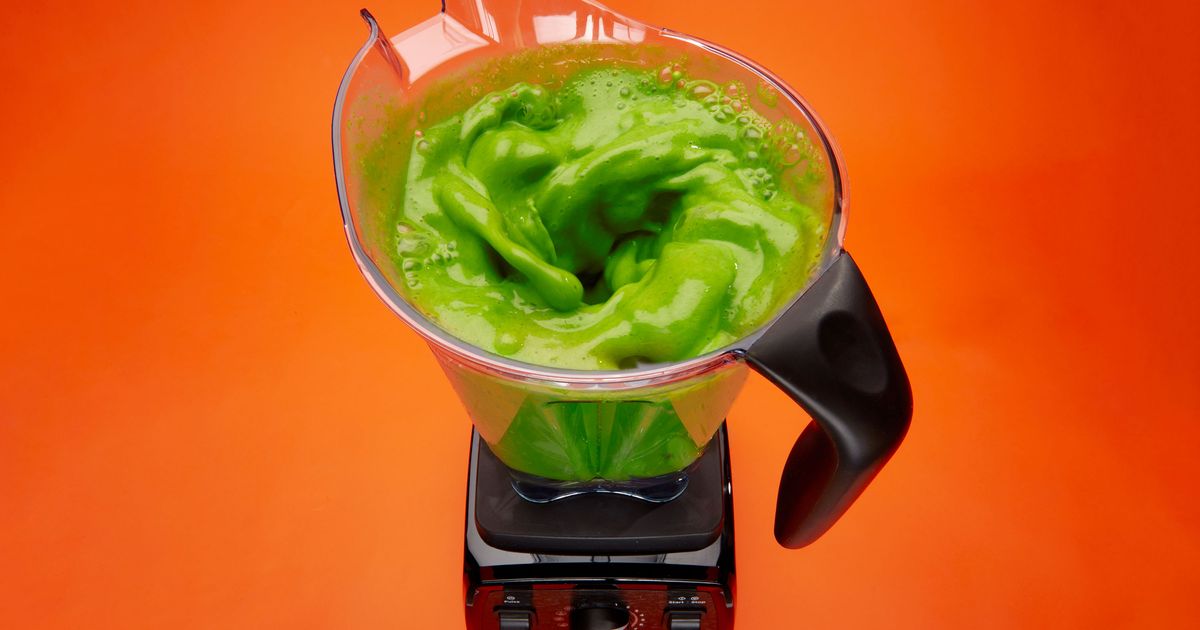
To blend dates smoothly, remove the pits, soak firm dates in warm water, add a little liquid, and blend in short bursts until creamy.
In American kitchens, dates can help sweeten oatmeal, smoothies, homemade energy bites, muffins, and sauces without relying only on white sugar. Yet these small, sticky fruits can be hard to blend when they are dry or packed tightly into a blender jar. A few simple steps can help you turn them into a soft, smooth paste that mixes well with many everyday recipes.
The key is to soften the dates before blending and use enough liquid to help the blades move. You do not need a special machine for every batch, but the amount you make, the type of dates, and the power of your blender can affect the result. This guide explains how to prepare dates, choose the right liquid, blend safely, and fix common problems when the mixture stays thick or lumpy.
Dates are soft fruits, but their texture can still challenge a blender. Their flesh contains natural sugars and fiber, and the sticky flesh may cling to the jar instead of moving toward the blades. Dry dates can be especially tough because they have lost much of their moisture.
A blender works best when its contents can move around the blades. If the dates form a thick ball, the blades may spin underneath the mixture without pulling it down. Adding a suitable liquid and softening the fruit first helps the mixture move and breaks down the flesh more evenly.
The type of date also matters. Soft Medjool dates often need less soaking than firm or dry dates. Dates that have been stored for a long time may feel stiff even when they are still suitable to eat, so check their condition before preparing them.
Source: flavorfulife.com
Dry dates
These usually need more soaking time and may require extra liquid during blending.
Soft dates
These may blend with little preparation, especially when making a small batch of paste or a smoothie.
Large batches
A full jar of sticky fruit can restrict movement. Divide the dates into smaller batches if needed.
What Does Smooth Date Paste Look Like?
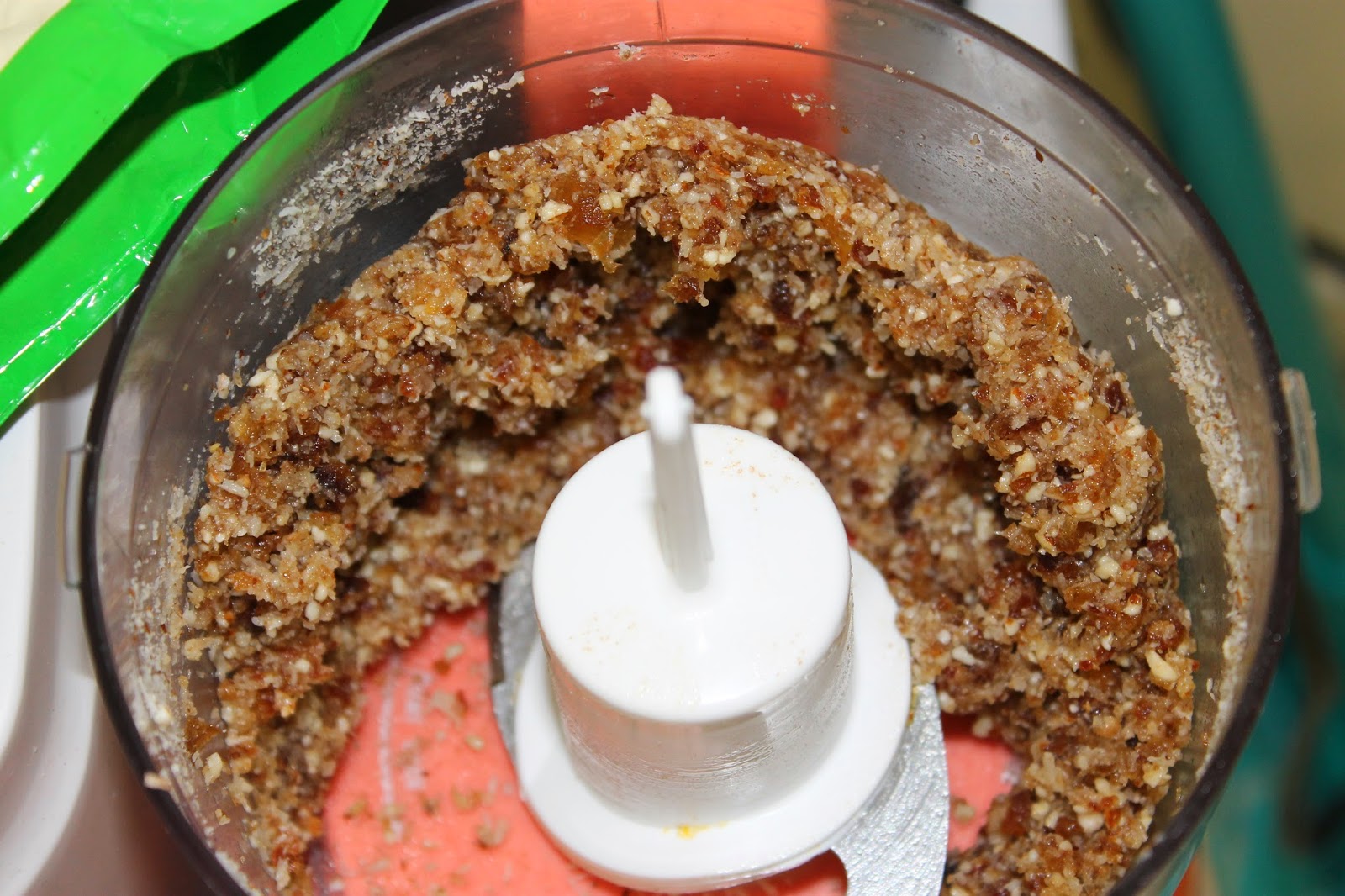
Smooth date paste should have an even texture with no large pieces of fruit or hard bits. It may look thick and glossy, much like a dense fruit puree. It does not have to flow like juice to count as smooth.
The ideal texture depends on how you plan to use it. A spread for toast can stay thick, while date paste for a smoothie or sauce may need more water. A few tiny flecks of date skin can remain, particularly with a basic blender, without making the paste unusable.
For baking
Aim for a thick paste that can be stirred into batter without large chunks.
For drinks
Use enough liquid to help the dates blend and distribute through the drink.
What You Need Before You Start
You need pitted dates, a blender, and a liquid that suits your recipe. Warm water is the easiest starting point because it softens the fruit without adding another flavor. You can use milk or a plant-based drink for some recipes, but water gives you more freedom to use the paste in both sweet and savory foods.
A standard countertop blender can work for date paste, especially when the fruit is softened and the batch is small. A high-powered blender may handle thick mixtures more easily, but no blender should be forced to run when its blades are stuck. Follow the machine’s instructions for minimum liquid levels, pulse settings, and safe use.
Keep a spatula nearby for scraping the sides after the motor has stopped. A measuring cup and a small bowl are also useful for soaking the dates and keeping track of the liquid you add.
Source: storables.com
Dates
Use fresh-tasting dates with no pits. Remove the pits yourself if the package does not clearly state that the dates are pitted.
Warm water
Use warm rather than boiling water to soften the fruit. You can save a little soaking water for blending if it is clean.
Blender
Choose a jar suitable for thick mixtures and follow its fill and operating instructions.
Spatula
Use it only when the blender is switched off and the blades have stopped completely.
Which Dates Work Best?
Medjool dates are a useful choice because they are often large, tender, and easy to pit. Deglet Noor dates are usually firmer, so they may need more time in warm water. Either type can work when prepared to the right texture.
Check the dates before soaking them. Discard fruit with visible mold, an unusual fermented smell, or other signs of spoilage. A naturally wrinkled surface or a little sugar crystallization does not automatically mean a date is spoiled, but questionable fruit should not go into the blender.
Best starting point
Choose soft, pitted dates for a quick batch.
For firmer dates
Plan extra soaking time and check that the flesh feels soft before blending.
How To Blend Dates Smoothly In A Blender Step by Step
The most reliable method is to pit the dates, soften them, drain them as needed, and blend them with a small amount of liquid. Work in stages rather than adding a large amount of water at once. This gives you more control over the final texture.
For a small test batch, start with about 1 cup of pitted dates and 2 to 4 tablespoons of water after soaking. This is a starting range, not a fixed formula. Soft dates may need less liquid, while dry dates or a less powerful blender may need more.
Source: blenderscolony.com
Step 1: Remove the pits
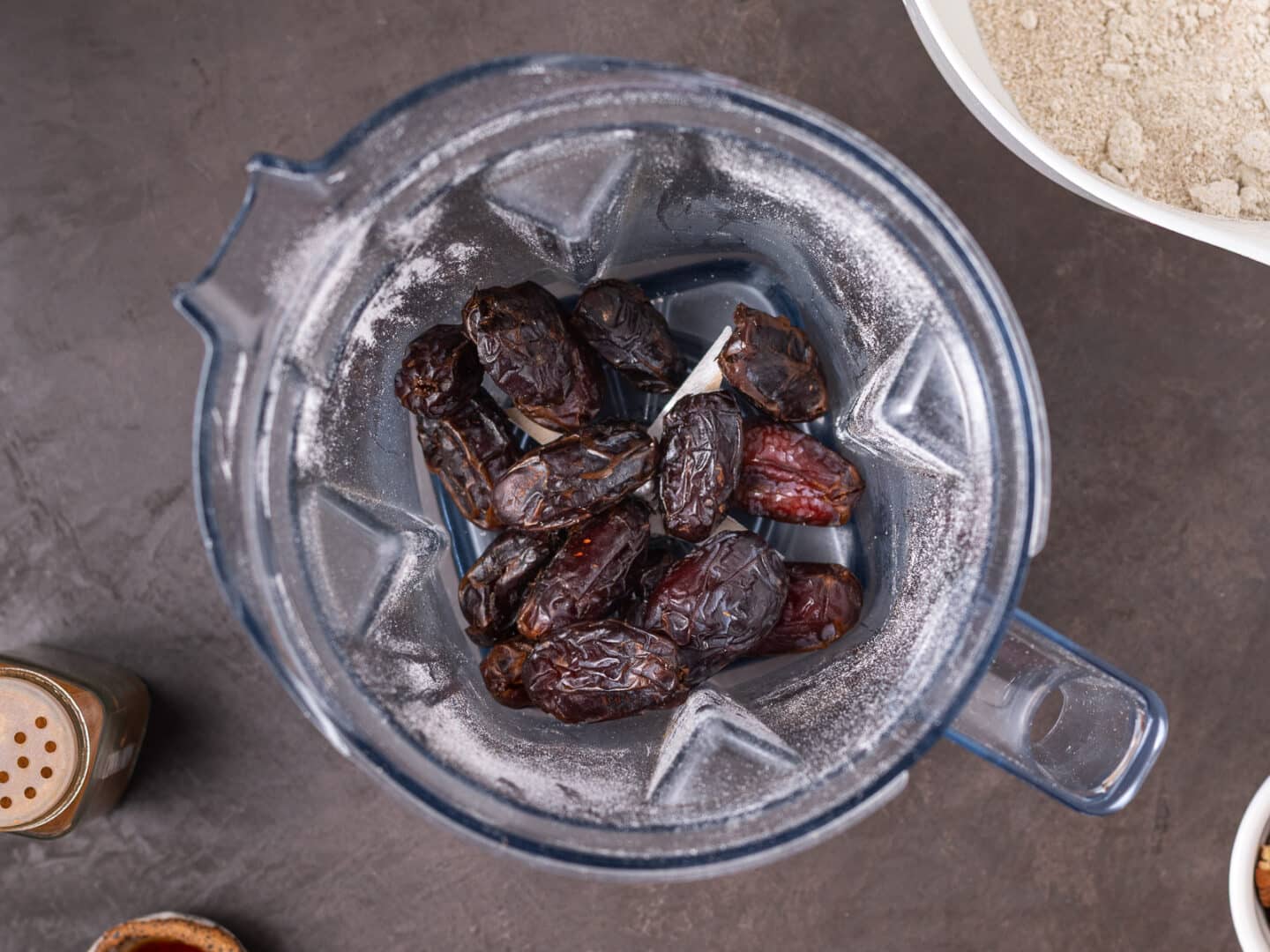
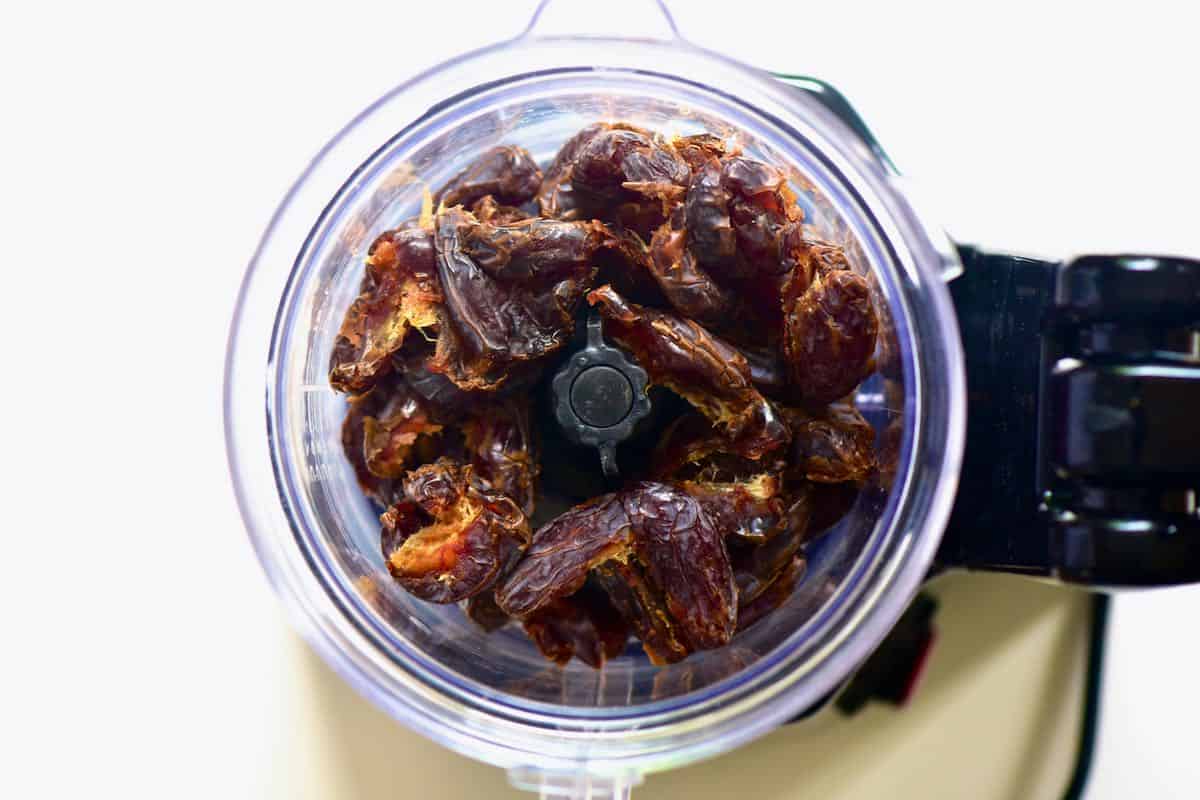
Cut or pull each date open and take out the pit. Check the center for any hard pieces before adding the fruit to the jar.
Step 2: Soak the dates
Place firm dates in a bowl and cover them with warm water. Let them sit for about 10 to 20 minutes, then check whether they bend and squash easily.
Step 3: Drain and reserve liquid
Drain the dates if you want a thicker paste. Keep some of the soaking water nearby so you can add it a little at a time.
Step 4: Add the dates to the blender
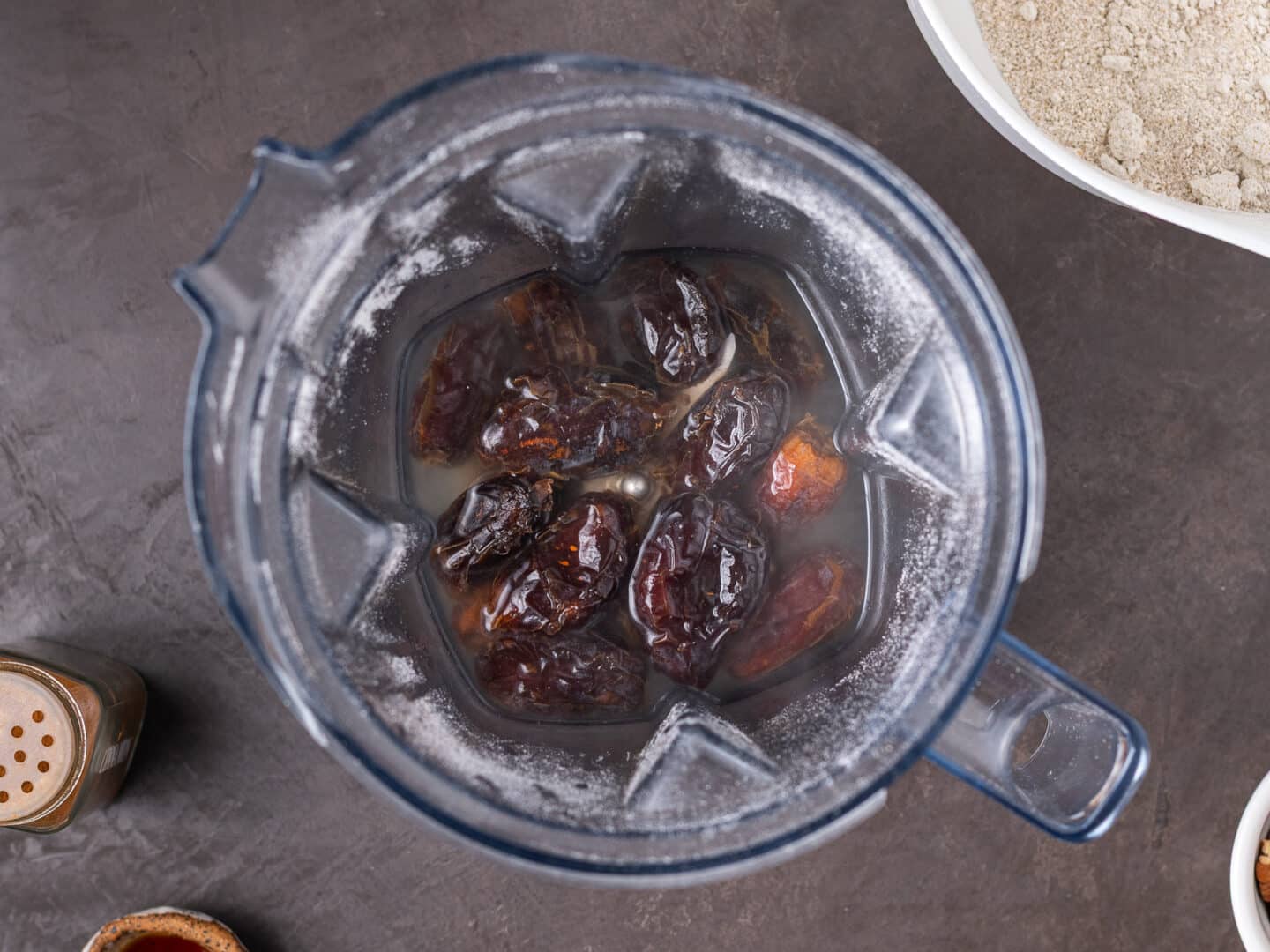
Put the softened dates into the jar with a small amount of water. Do not exceed the blender’s fill limit.
Step 5: Pulse the mixture
Use short pulses to break up the dates. If your blender has a suitable low-speed setting, use it first and increase the speed only when the mixture begins to move.
Step 6: Scrape down the sides
Turn off the blender and wait until the blades stop. Unplug the unit if required by its instructions, then use a spatula to move stuck fruit toward the center.
Step 7: Blend again
Blend in short intervals, adding one tablespoon of water at a time if needed. Stop when the paste looks even and has the texture your recipe requires.
How Long Should You Blend Dates?
There is no single blending time that works for every machine and every type of date. A small batch of soft, soaked dates may come together quickly, while a large batch of firm dates may need several rounds of pulsing and scraping.
Use the texture as your guide instead of running the blender continuously for a set number of minutes. If the motor sounds strained, the mixture stops moving, or the jar becomes unusually warm, stop and check the cause before trying again.
Early stage
The dates look chopped and uneven. Continue only if the blades are moving the mixture safely.
Middle stage
The fruit starts to form a thick mass. Add a little liquid if it remains stuck.
Finished stage
The paste looks even, with no large pieces or hard fragments.
How Much Water Should You Add to Dates?
Start with less water than you think you need, then add more in small amounts. You can always thin a thick paste, but removing excess water takes time and may change the recipe. The right ratio depends on the dates, the blender, and the purpose of the paste.
For dates that have already soaked, a starting point is 2 to 4 tablespoons of water per cup of pitted dates. Add another tablespoon only if the blades cannot move the mixture or the paste is too thick for your intended use. This is a practical starting estimate, not a tested universal ratio.
Source: storables.com
Thick date paste
Use less added water and drain the soaked dates well. This texture suits spreads, energy bites, and some baking recipes.
Soft puree
Add water gradually until the mixture is easy to stir and spread.
Smoothie mixture
Use the liquid already called for in the drink recipe, adding the dates in small amounts so they can blend fully.
Date sauce
Add more liquid after the dates have broken down, then adjust the thickness to suit the dish.
Can You Use Milk Instead of Water?
Yes, milk or an unsweetened plant-based drink can help blend dates for smoothies, shakes, and some desserts. These liquids add their own flavor and may make the result richer than water-based date paste.
For a batch you plan to store and use in several recipes, water is often the more flexible choice. For a drink you will consume right away, you can blend the dates directly with the milk or other liquid in the recipe.
Cow’s milk
Works well in smoothies and creamy drinks, but the finished mixture needs appropriate refrigeration.
Plant-based drinks
Almond, oat, or soy drinks can work, depending on the flavor and thickness you want.
Fruit juice
Can add sweetness and flavor, so use it only when it fits the recipe.
How to Fix Lumpy or Thick Date Paste
If your dates will not blend smoothly, check the texture of the fruit and the movement of the mixture before adding more ingredients. Most problems come from dates that are too firm, too little liquid, too large a batch, or fruit that sticks above the blades.
Stop the blender before adjusting the contents. Never put a spoon, spatula, or hand into a running blender, and do not try to push food down while the blades are turning. Once the machine is off and safe to open, you can correct the mixture and continue.
Source: blenderscolony.com
Problem: The blades spin but the dates stay in place
Possible cause: The mixture is too thick or is packed around the blades. Stop the blender, scrape down the sides, add a small amount of water, and restart with short pulses.
Problem: Small hard pieces remain
Possible cause: The dates were not soft enough. Soak them longer in warm water, drain them, and blend again.
Problem: The paste is too runny
Possible cause: Too much water was added. Blend in more softened dates if available, or use the mixture in a recipe that can accept a thinner consistency.
Problem: The blender smells hot or struggles
Possible cause: The motor is under strain or the mixture is too dense. Turn the machine off, let it cool as directed by the manufacturer, and reduce the batch size.
Problem: The paste feels stringy or uneven
Possible cause: Date skins or fibers remain, or the fruit was not fully broken down. Add a little liquid and blend again if the machine can handle the mixture.
When Should You Stop Trying to Blend?
Stop if the motor repeatedly stalls, the blender smells of burning, the jar or blade assembly appears damaged, or the machine makes a new and unusual noise. Adding more liquid may not solve a mechanical problem.
Check the user manual for limits on thick mixtures and recommended cooling periods. If the paste remains too dense for your blender, use a smaller batch or mash the softened dates with a fork or potato masher instead.
Protect the motor
Do not force the blender to run against a packed mass of dates.
Protect your hands
Switch off the appliance and wait for the blades to stop before scraping or removing stuck food.
Can You Blend Dates Without Soaking Them?
Yes, you can blend soft dates without soaking them if your blender can handle the texture and the recipe contains enough liquid. This can work well when making a smoothie because the milk or water already helps the fruit move around the jar.
For a thick date paste, however, soaking is often helpful. It softens the flesh and reduces the need to force a dense mixture through the blades. If you skip soaking, begin with a small batch and add liquid in stages rather than expecting dry dates to turn into a creamy paste on their own.
If you are using very dry dates, do not rely on extra blending time alone. Soften them first, since a longer run may strain the motor without making the mixture much smoother.
Source: animalia-life.club
Skip soaking when
The dates are already soft and you are blending them into a liquid recipe.
Soak first when
The dates are firm, the paste needs to be thick, or the blender struggles to move the fruit.
How to Blend Dates for a Smoothie
For a smoothie, add the liquid to the blender first if the manufacturer’s instructions allow it. Add pitted dates next, followed by soft fruit or other ingredients. This arrangement can help the blades draw the dates into the liquid instead of leaving them stuck at the bottom.
Blend until no large date pieces remain, then check the drink before adding ice or other thick ingredients. If your blender is struggling, soften the dates separately or blend them with some of the recipe’s liquid before adding the rest.
Use soft dates
They are easier to blend into a drink without long soaking.
Blend in stages
Mix the dates and liquid first if your blender has trouble handling all the ingredients together.
Taste before sweetening
Dates add their own sweetness, so you may not need extra sugar or syrup.
How to Use Homemade Date Paste
Once the dates are smooth, you can use the paste as a sweet ingredient in many recipes. It works especially well in foods where a soft, moist texture is welcome. The paste also brings date flavor and fiber, so it does not behave exactly like plain white sugar.
Start by replacing only part of the sweetener in a recipe unless the recipe was designed for date paste. Dates add moisture, bulk, color, and a distinct flavor. Replacing all the sugar in a baked recipe can change how the batter spreads, browns, and sets.
For drinks, oatmeal, and sauces, adjustment is usually simpler. Stir in a spoonful, taste, and add more if needed. If the paste is too thick to mix evenly, loosen it with a little water or another liquid already used in the recipe.
Source: blenderscolony.com
Oatmeal and porridge
Stir a small spoonful into warm oats for a sweet, rich date flavor.
Smoothies
Blend date paste with milk, yogurt, banana, or other ingredients that suit the drink.
Muffins and quick breads
Use it to add sweetness and moisture, but adjust the recipe carefully because paste is not a one-to-one replacement for dry sugar in every formula.
Homemade snack bites
Mix the paste with oats, nut butter, or ground nuts until the mixture holds together.
Sauces and dressings
A little date paste can balance tart or sharp flavors. Thin it until it blends smoothly with the other ingredients.
Does Blending Dates Remove Their Fiber?
Blending dates does not normally remove their fiber because the fruit remains in the mixture. The blender breaks the fruit into smaller pieces, but it does not separate the pulp from the liquid unless you strain the mixture afterward.
Date paste is still a concentrated source of natural sugars, even though the sugars occur in whole fruit. Use an amount that fits your needs, and remember that a large spoonful of paste may contain several dates.
Keep the pulp
Do not strain the paste if you want to retain the fruit’s fiber.
Watch the portion
Natural sweetness can add up when many dates are blended into one serving.
How to Store Blended Dates Safely
Store homemade date paste in a clean, covered container in the refrigerator. Use a clean spoon whenever you remove some, and avoid leaving the paste at room temperature for long periods. Adding water to dates changes the product from dry fruit into a moist mixture, so do not assume it can be stored like an unopened bag of dried dates.
There is no single storage time that applies to every homemade batch. The amount of water, cleanliness during preparation, refrigerator temperature, and any other ingredients all affect how long the paste keeps. For a conservative approach, make small batches, refrigerate them promptly, and use them within a few days.
If you need to keep a larger amount, freeze the paste in small, labeled portions in a freezer-safe container. Small portions are easier to thaw and use without repeatedly warming the whole batch. Thaw it in the refrigerator and stir before using if the texture has separated slightly.
Discard the paste if you notice mold, an unusual smell, bubbling that was not expected, or other clear signs of spoilage. Do not taste questionable food to decide whether it is safe.
Source: storables.com
Refrigerate promptly
Use a covered container and place the paste in the refrigerator after preparation.
Freeze extra portions
Divide the paste into small servings so you can thaw only what you need.
Keep tools clean
Use clean containers and utensils to reduce the chance of introducing unwanted microbes.
Check before use
Discard paste that shows signs of spoilage instead of trying to rescue it by blending again.
Can You Make Date Paste Ahead of Time?
Yes. Preparing a small batch ahead of time can make breakfast and baking easier during a busy week. Let the paste cool if it became warm during blending, transfer it to a clean container, cover it, and refrigerate it promptly.
If you add milk, yogurt, or another perishable ingredient, follow the storage guidance for that ingredient and the finished recipe. Plain date paste made with water and date paste mixed with dairy should not automatically be treated as the same product.
For the next few days
Keep a small amount refrigerated and use clean utensils each time.
For longer storage
Freeze small portions and thaw them in the refrigerator when needed.
Common Mistakes to Avoid
The easiest way to get a smooth result is to prepare the dates properly and make small adjustments as you blend. Most disappointing batches come from rushing the soaking step, using too little liquid, or expecting a blender to handle a thick mass without help.
Avoid the temptation to solve every problem by running the blender longer. A sticky mixture may need a small amount of water or a smaller batch, not more time against a stalled blade. Safe, short blending rounds give you more control over the texture and the machine.
Source: animalia-life.club
Adding too much water at once
This can turn a thick paste into a thin puree. Add liquid in small amounts and stop when the texture suits your recipe.
Skipping the pit check
Even dates sold as pitted should be checked before blending. A hard pit can damage the appliance or leave dangerous fragments.
Overfilling the jar
Too many dates can prevent proper movement. Follow the blender’s fill limit and divide large batches.
Scraping while the blender runs
Never place a utensil near moving blades. Turn off the machine and wait until the blades stop.
Using a recipe as if date paste were dry sugar
Date paste adds moisture and fruit solids. Adjust baking recipes carefully instead of assuming equal amounts will act the same.
Ignoring a strained motor
Stop the blender if it stalls, overheats, or smells of burning. Let it cool as directed and reduce the load before trying again.
A Simple Texture Check Before You Finish
Scoop up a little paste with a spoon and stir it. The mixture should look even and should not contain large pieces of date. If you need it to spread, it should move off the spoon with gentle pressure; if you need it for energy bites, it can remain firm and sticky.
If the paste is smooth but too thick, stir in a little water. If it is too thin, add more softened dates when available or save it for a recipe that uses a looser puree. Make the final adjustment before measuring the paste into your recipe.
Smooth but thick
Add a little liquid and mix again.
Smooth but runny
Use it in a drink or sauce, or blend in more dates.
Still lumpy
Check for firm fruit, scrape down the sides with the machine off, and blend again in short rounds.
Frequently Asked Questions
Q
Do I have to soak dates before blending them?
No. Soft dates can blend without soaking when enough liquid is present, such as in a smoothie. Soaking is helpful for firm or dry dates and is usually the better starting point when you want thick, smooth date paste.
Q
Can I blend dates in a regular blender?
Yes, a regular countertop blender can blend dates when they are soft and the batch is small enough for the machine. Add liquid gradually, use short pulses, and follow the blender’s instructions for thick mixtures. If the motor struggles, stop rather than forcing it to continue.
Q
Why are my blended dates still lumpy?
The dates may be too dry, the mixture may contain too little liquid, or the batch may be too large. Stop the blender, soften firm dates if needed, scrape the sides safely, and add a small amount of water before blending again.
Q
Can I use date paste instead of sugar in baking?
You can use date paste to sweeten many baked goods, but it does not behave exactly like dry sugar. It adds moisture, fiber, bulk, color, and date flavor, so replacing all the sugar may change the texture and structure. Start by replacing part of the sweetener or choose a recipe developed for date paste.
Q
How long does homemade date paste last?
The storage time depends on the amount of water, preparation hygiene, refrigerator temperature, and any other ingredients. Keep the paste in a clean, covered container in the refrigerator, make small batches, and use it within a few days as a cautious approach. Freeze extra portions for longer storage and discard any paste with signs of spoilage.
Q
Can I blend dates with milk instead of water?
Yes. Milk and unsweetened plant-based drinks work well for smoothies, shakes, and creamy desserts. For a neutral paste that can go into many different recipes, water is often more flexible. Refrigerate mixtures made with perishable ingredients promptly.
Q
What should I do if date paste is too thick?
Add water one tablespoon at a time and blend briefly until the paste moves more easily. Stop if the blades are stuck or the motor sounds strained. Switch off the blender before scraping down the sides or moving the mixture.
✦ Wrapping Up
Conclusion
Blending dates smoothly is mostly about preparing the fruit and giving the blender the right conditions. Remove the pits, soak firm dates in warm water, start with a small amount of liquid, and blend in short rounds. These steps help create a thick paste or a softer puree without adding more water than the recipe needs.
Keep an eye on the texture instead of relying on a fixed blending time. If the mixture sticks, stop the machine and scrape the sides safely, then add a little liquid if needed. Smaller batches are often easier to manage than a jar packed with sticky fruit.
Once the paste is smooth, use it in oatmeal, smoothies, sauces, snacks, or selected baking recipes. Store it in a clean covered container in the refrigerator, or freeze small portions for later use.
💡 Key Takeaway
For your first batch, blend 1 cup of pitted, softened dates with 2 tablespoons of water. Pulse, scrape the sides with the blender off, and add more water one tablespoon at a time until the paste is smooth.