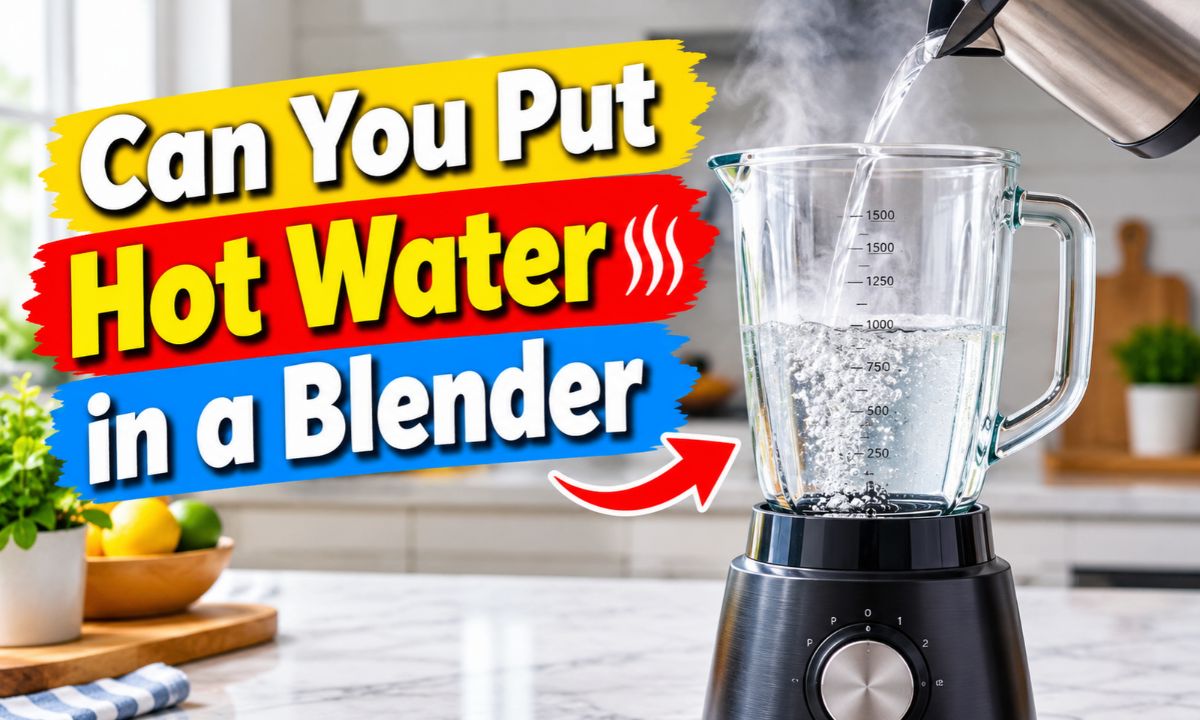
Yes, you can put hot water in some blenders, but only if the manufacturer allows hot liquids and you follow its safety instructions.
In American kitchens, a blender can help make tomato soup, warm sauces, oatmeal drinks, and other quick meals. But a blender that works well for cold smoothies may not be safe for hot water. Heat, steam, and pressure can turn a simple kitchen task into a burn risk.
The safest approach is to check your blender manual before adding hot water. Some jars and lids are designed for hot liquids, while others may crack, warp, leak, or allow pressure to build. If your blender is not rated for hot liquids, let the water cool or use a pot and a suitable immersion blender instead.
Yes, but the answer depends on the blender. A model designed for hot soup or other hot liquids may allow it under specific conditions. A standard blender intended for cold drinks may not be suitable for hot water at all.
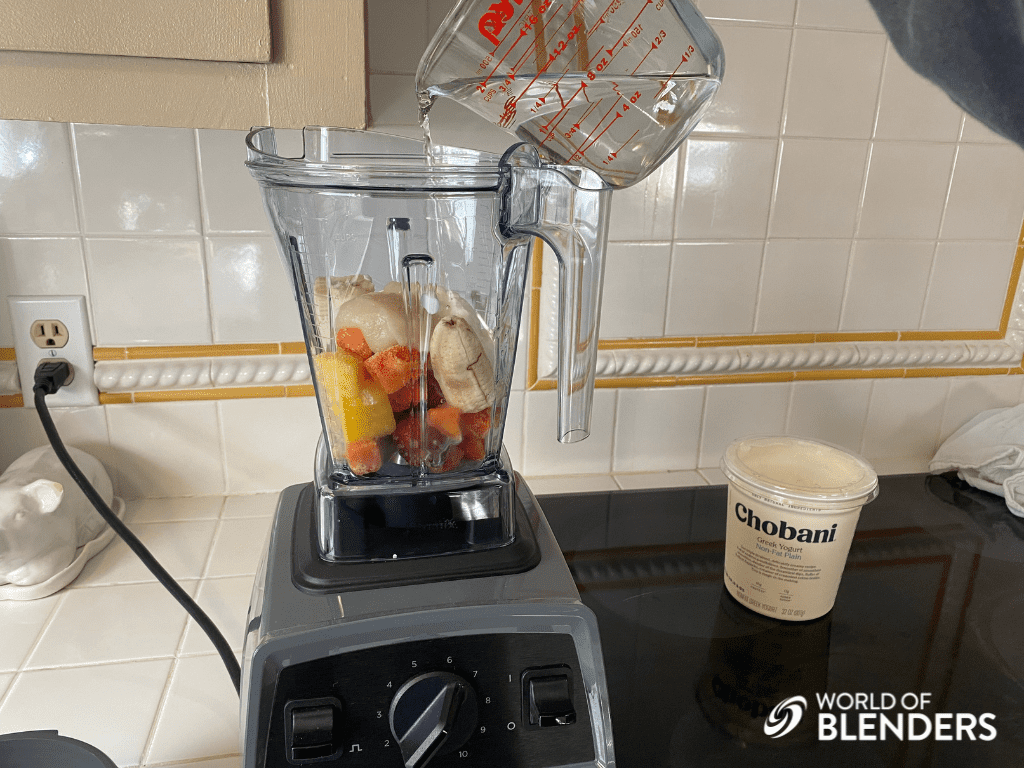
Hot water alone is not the only concern. When the blades move, they can spread the liquid and create steam. That steam can raise the pressure inside a closed jar, especially when the lid has no safe way to release it.
The jar also matters. Some materials tolerate heat better than others, but no material makes every blender safe for every temperature. Sudden heat changes can damage some containers, and hot liquid can soften or damage certain plastic parts and seals.
Read the instructions for your exact model. Look for the maximum temperature, permitted ingredients, hot-liquid fill limit, and any special lid or vent requirements. If the manual says not to blend hot liquids, follow that rule even if other blenders can do so.
Source: thedailymeal.com
A blender rated for hot liquids
You may use hot water within the maker’s stated temperature and fill limits. Follow the required lid, vent, and speed instructions.
A blender rated only for cold ingredients
Do not pour hot water into the jar or run the motor with hot liquid. Let the water cool first or choose a suitable alternative.
A blender with unknown limits
Treat it as unsuitable for hot liquids until you confirm its instructions. Guessing based on appearance is not a safe test.
Does the Water Have to Be Boiling?
No. Hot tap water, heated water, and freshly boiled water all need to be judged against the blender’s stated limits. Water does not need to boil to create a burn risk or damage a heat-sensitive container.
Boiling water deserves extra care because it can release steam quickly and may cause more severe burns. If the manual gives a maximum temperature, use a thermometer when needed rather than guessing from how the water feels.
Warm water
Check the manual before use. Warm water may still exceed a container’s allowed temperature.
Very hot water
Use only a blender expressly approved for the temperature and follow its special instructions.
Boiling water
Never assume it is safe. Do not use it in a blender unless the manufacturer explicitly permits that temperature and method.
Why Hot Water Can Be Dangerous in a Blender
The main danger is pressure and splashing. As hot liquid moves around the jar, it releases steam. If the lid traps that steam, pressure may build until liquid escapes or the lid lifts.
When a lid comes off, hot liquid can spray onto your hands, face, and nearby surfaces. Burns can happen in seconds, and a hot spill can also damage a counter or cause someone to slip.
Heat can also affect the blender itself. A jar that is not made for hot liquids may crack or deform. Gaskets, seals, and lid parts may also be damaged if they are not designed for the temperature.
The motor and base have limits too. A blender that overheats, leaks, or runs under an unapproved load may be damaged. Do not try to prove that a blender can handle hot water by testing it with boiling liquid.
Source: growforagecookferment.com
Steam pressure
A tightly closed jar may trap steam. Pressure can force the lid upward or push hot liquid through openings.
Sudden splashes
Fast blade movement can throw hot liquid toward the lid and openings, increasing the chance of burns.
Container damage
A jar that is not heat-rated may crack, warp, or fail, particularly when exposed to a sudden temperature change.
Seal and lid damage
Heat can affect plastic parts and seals that are not built for hot ingredients.
Why a Tight Lid Is Not Always Safer
A tight lid helps prevent spills during normal blending, but it can be dangerous when steam has no safe way to escape. Do not remove a vent, loosen a lid, or hold down a lid unless the manufacturer specifically instructs you to use that setup for hot liquids.
Some hot-liquid blenders have a purpose-built lid and vent. That design does not mean you can copy the method with another blender. The parts and instructions must match the model.
Do not improvise a vent
Never drill a lid, remove a safety part, or leave an opening in an unapproved setup to release steam.
Do not force the lid down
If pressure builds, holding the lid in place can expose your hands to hot liquid and steam.
How to Check Whether Your Blender Can Handle Hot Water
Start with the user manual or the manufacturer’s official support page. Search for your exact model number, not just the brand name. Two blenders from the same company may have different jars, lids, and temperature limits.
Look for clear wording about hot liquids, hot soup, maximum liquid temperature, and filling limits. Also check whether the instructions require cooling ingredients before blending. A general claim that a blender is powerful does not prove that its container is heat-safe.
If you cannot find a clear answer, contact the manufacturer. Give the exact model number and ask whether you may blend hot water, what temperature is allowed, how much liquid you can add, and which lid setup is required.
Do not rely on an online photo or a video showing someone blending steaming soup. Another person may have a different model, and a method that appears to work once may still be unsafe.
Source: i.ytimg.com
Find the model number
Check the label on the base, the product paperwork, or the manufacturer’s account page if available.
Check the jar and lid
Confirm that the exact parts you own are approved for hot liquids. Replacement parts may have different limits.
Read the fill instructions
Hot-liquid limits may be lower than the normal maximum capacity for cold ingredients.
Ask if instructions are unclear
Get model-specific advice instead of assuming that a general blender guide applies to your machine.
Does a Glass Blender Jar Make Hot Water Safe?
Not by itself. Some glass jars can handle certain hot ingredients, but glass can break under thermal stress. A sudden change from cold to hot, or from hot to cold, may damage glass that is not designed for that use.
The lid, seals, blade assembly, and other parts also need to tolerate the heat. A heat-resistant jar does not automatically make the complete blender suitable for hot liquids.
Check the full appliance
Use the temperature and handling limits for the complete blender, not just the jar material.
Avoid sudden temperature changes
Do not pour boiling water into a cold jar unless the maker expressly permits that use.
Does a Powerful Motor Make a Blender Safer?
No. Motor power describes part of the machine’s performance, not the heat rating of the jar or lid. A high-wattage blender may still have limits on hot liquids.
The safest choice depends on the full design and the manufacturer’s instructions. Motor power alone cannot confirm that a blender can handle boiling water or hot soup.
Do not judge by wattage
Use the stated hot-liquid rating and handling instructions instead of the motor’s advertised power.
How to Blend Hot Water Safely When Your Blender Allows It
If the manufacturer permits hot liquids, follow its method from start to finish. The steps below are general precautions, not a substitute for the directions for your model. If those directions conflict with a general tip, follow the manufacturer’s instructions.
Prepare the area before you pour. Keep children and pets away, clear the counter, and place the blender on a stable, dry surface. Have a heat-safe container nearby if you need to transfer the liquid.
Use only the amount of liquid allowed for hot blending. Do not fill the jar to its normal cold-liquid maximum unless the manual says that the same amount is safe when hot. Leave the required space for movement and steam.
Secure the correct lid and use the required vent or cap arrangement. Start at the lowest permitted speed if the manual calls for it, and increase speed only as directed. Keep your face and hands away from the lid and openings.
Stop the blender if you notice leaking, an unusual sound, a shifting lid, or liquid escaping. Do not reach over the jar or try to tighten the lid while the blades are moving. Follow the manufacturer’s safe shutdown instructions before handling the appliance.
Source: hmbottles.com
Step 1: Confirm the temperature limit
Check the manual and make sure the water is within the stated range.
Step 2: Prepare a safe workspace
Use a stable counter, keep the area clear, and move children and pets away.
Step 3: Measure the liquid
Stay below the hot-liquid fill limit and account for any other ingredients.
Step 4: Fit the correct lid
Use only the approved lid, cap, and vent setup for hot blending.
Step 5: Blend as directed
Follow the maker’s speed and timing instructions. Keep your face and hands away from the lid.
Step 6: Stop if something seems wrong
Switch off the blender if liquid leaks, the lid shifts, or the appliance behaves in an unusual way.
How Much Hot Water Should You Add?
Use the hot-liquid capacity stated in the manual. There is no single safe fill level for all blenders because jar shapes, vent designs, and operating instructions differ.
If you are blending water with cooked vegetables or other ingredients, remember that the combined mixture takes up more space than the water alone. Do not exceed the limit just because the water level looks low before adding food.
Use the marked limit only when applicable
A maximum line for cold drinks may not apply to hot liquids. Confirm which marking the manufacturer intends you to use.
Blend in smaller batches if allowed
Smaller batches may be easier to control, but they must still follow the blender’s minimum and maximum operating limits.
What Should You Do After Blending?
Switch off the blender and wait until the blades stop before handling the jar. Follow the manual’s instructions for removing the lid and releasing any steam. Keep your face away from the opening.
Pour slowly into a heat-safe bowl or pot, using suitable protection if the jar and handle are hot. Do not touch the blades or blade assembly while the appliance is plugged in. Let the parts cool before cleaning if the manual requires it.
Keep away from steam
Open the lid only as directed and avoid placing your face above the jar.
Handle the jar with care
Use the handle and suitable heat protection when the manufacturer permits it, and avoid sudden temperature changes.
What to Do If Your Blender Is Not Rated for Hot Liquids
If your blender cannot handle hot liquids, you still have several ways to prepare a smooth drink, soup, or sauce. The simplest option is often to let the liquid cool before blending, as long as the recipe allows it and the ingredients remain safe to handle.
For hot soup, an immersion blender can be a practical alternative if its manufacturer permits use in hot food. This tool sits directly in the pot, so you do not need to pour the soup into a countertop blender. Keep the blade head submerged and follow the tool’s instructions to limit splashes.
You can also use a potato masher for chunky soups or a food mill for some cooked foods. These methods may not create the same smooth texture as a high-speed blender, but they avoid putting hot liquid into an unsuitable jar.
If you need a very smooth result, allow the soup to cool to the temperature specified by your blender’s instructions. Blend in suitable batches, then reheat the finished soup in a pot if needed. Stir while reheating and check the temperature before serving.
Source: ismilebottle.com
Let the liquid cool
Wait until the mixture is within your blender’s permitted temperature range before blending.
Use an immersion blender
Choose one approved for hot food and follow its pot-depth, speed, and splash-control instructions.
Mash the ingredients
Use a masher when a rustic texture is acceptable and a fully smooth result is not required.
Blend, then reheat
Cool the ingredients as required, blend safely, and warm the finished mixture in a suitable pot.
Can You Put Hot Water in a Personal Blender or Blender Bottle?
A personal blender and a manual blender bottle are not the same appliance. A personal blender has a motor and blade assembly, while a blender bottle usually has a lid and mixing ball or whisk for shaking drinks.
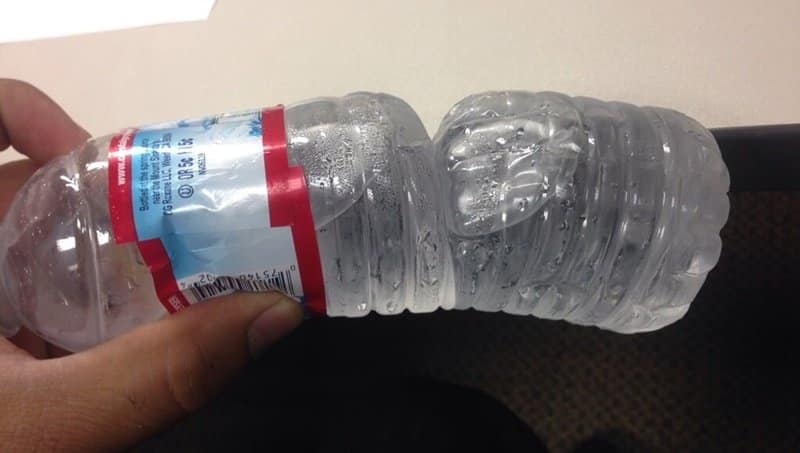
Do not assume that either product can hold hot water. Some personal blenders are intended mainly for cold drinks, and some shaker bottles warn against hot liquids because pressure may build when the container is closed and shaken.
Check the instructions for the exact bottle or personal blender. Never shake a sealed container of hot water unless its maker explicitly permits that use and explains how to do it safely. Steam and pressure can cause hot liquid to spray out when the lid opens.
Personal blender
Check the motorized unit’s hot-liquid rating, fill limit, and lid instructions before adding heated water.
Manual shaker bottle
Follow the bottle maker’s temperature and shaking restrictions. Do not use a tightly closed shaker as a hot-liquid pressure vessel.
Can You Blend Hot Soup, Coffee, or Tea?
Hot soup can be blended only when the appliance and its instructions allow hot ingredients. Soup is often thicker than water, so it may move differently around the blades and may need special fill and speed limits. Follow the directions for your model rather than using a general recipe as a safety guide.
Coffee and tea raise the same temperature and steam concerns as hot water. If you want to blend either drink with milk, foam, or other ingredients, confirm that the blender can handle the liquid temperature and any added ingredients. Do not pour hot coffee into a cold jar without checking the manufacturer’s instructions.
For a cold smoothie, cool the water or tea first if your blender is not rated for hot liquids. Adding ice directly to a hot liquid can also create a sudden temperature change, so let the drink cool before adding ice unless the manufacturer and recipe directions support another method.
Thick sauces and purees need extra care because they can splatter or move unevenly. Use only a permitted batch size and avoid pushing food toward the blades while the blender is running. If the mixture does not move as expected, stop the machine and follow the manual’s instructions before adjusting it.
Source: bottlefirst.com
Hot soup
Use a blender approved for hot food, observe its fill limit, and follow its vent and speed instructions.
Coffee and tea
Check the allowed temperature before blending, especially when adding milk, sweeteners, or other ingredients.
Hot water for smoothies
Let the water cool first if the blender is not approved for hot liquids.
Thick sauces
Use the correct setting and batch size, and stop the blender before clearing a blockage.
Can You Add Hot Water to Protein Powder?
First, check the powder label and the mixing bottle instructions. Some powders may clump when mixed with hot liquid, and some shaker bottles are not intended for hot drinks. A sealed bottle can also build pressure as hot liquid releases steam.
If the product permits warm liquid, follow its directions and use a container rated for that temperature. Do not put hot water into a sealed shaker and shake it to break up lumps unless the manufacturer explicitly approves that method.
Read both labels
Check the powder’s mixing directions and the container’s heat limits before combining them.
Avoid sealed hot shaking
Use a safe mixing method that does not trap steam or expose you to hot splashes.
Common Mistakes to Avoid
Many blender accidents begin with a small assumption: the jar looks sturdy, the lid fits tightly, or another person used the same method without a problem. None of these facts proves that your appliance is safe for hot water.
Use the manual as the final guide, and do not experiment with a temperature or lid setup that the maker has not approved. If a safety step seems inconvenient, choose another method instead of removing a guard or changing a part.
Source: bottlefirst.com
Filling the jar to the top
Hot liquid needs the space and operating conditions specified by the manufacturer. Do not use the cold-liquid maximum without checking.
Blending with the lid off
Hot liquid can splash out and cause burns. Use only the lid and vent arrangement approved for your model.
Assuming all plastic is the same
Different plastics have different heat limits. A jar’s appearance or thickness does not establish its safe temperature.
Pouring hot water into a cold jar
A sudden temperature change may damage some materials. Follow the maker’s instructions for preparing the jar.
Opening the jar right away
Steam may still be present after blending. Switch off the machine and follow the manual’s opening instructions.
Cleaning before the jar cools
Hot parts can burn your hands, and sudden temperature changes may damage some containers. Wait as directed by the manufacturer.
What If Hot Water Leaks From the Blender?
Switch off the blender as soon as you can do so safely, and keep clear of escaping liquid. Do not try to catch the jar, tighten the lid, or wipe up the spill while the blades are moving.
Once the appliance is safely off, unplug it if you can reach the plug without contacting hot liquid or a wet area. Let the parts cool, then check the manual for cleaning and inspection instructions. Do not use the blender again if the jar is cracked, a seal is damaged, or the cause of the leak is unclear.
Stop the appliance
Do not reach over the jar or handle a moving blade assembly.
Let it cool
Wait before touching or inspecting hot parts.
Inspect before reuse
Replace damaged parts with approved replacements and contact the maker if the cause is uncertain.
What If You Notice a Crack or a Burnt Smell?
Stop using the blender. A crack may worsen under heat or movement, and a burnt smell can indicate an electrical or motor problem. Do not run another batch to see whether the issue goes away.
Disconnect the appliance only if it is safe to do so, and keep it away from water while inspecting it. Follow the manufacturer’s service guidance or seek qualified repair help. Replace a damaged jar or other failed part with a compatible, approved component.
Do not test it again
A second run may worsen the damage or expose you to another spill.
Get model-specific help
Use the manufacturer’s repair guidance or a qualified service provider when the fault may involve the motor or electrical parts.
Quick Decision Guide: Should You Blend the Hot Water?
Use this guide to decide what to do before turning on the blender. It is a practical screening tool, not a replacement for the instructions for your exact model.
The manual clearly allows the liquid temperature
Proceed only within the stated temperature, fill, lid, and speed limits.
The manual says to cool liquids first
Let the water cool to the permitted range before blending.
The manual warns against hot liquids
Do not use the blender for this task. Choose an approved alternative.
The manual is missing or unclear
Do not guess. Contact the manufacturer or use a pot and an approved immersion blender.
The jar, lid, or seal is damaged
Do not use the appliance until the damaged part has been properly replaced and the blender is safe to operate.
A Simple Example
Suppose you want to puree cooked vegetables for soup. Your blender manual says to cool ingredients before blending and does not approve hot liquids. The safe choice is to let the soup cool to the stated range, blend it in approved batches, and reheat it in a pot.
Now suppose a different blender is specifically designed for hot soup. You can follow that model’s hot-liquid method, including its temperature limit, reduced fill level, and required vent arrangement. The key difference is the documented design and instructions, not the recipe itself.
First case
Cool the ingredients because the appliance’s instructions require it.
Second case
Use the approved hot-liquid procedure because the appliance is designed for that task.
Frequently Asked Questions
Q
Can I pour boiling water into a blender?
Only if the manufacturer explicitly allows boiling water and provides instructions for using it safely. Many standard blenders are not designed for this use. Boiling water can release steam, create pressure in a closed jar, and cause serious burns if the lid moves or liquid escapes.
If you cannot confirm the temperature limit, let the water cool or use a suitable pot and immersion blender.
Q
Can hot water crack a blender jar?
Yes, it can damage some jars, especially when the container is not rated for heat or experiences a sudden temperature change. Glass may break under thermal stress, while some plastic containers may warp or become damaged.
Check the instructions for the exact jar and appliance. Do not assume that glass, thick plastic, or a sturdy appearance guarantees heat safety.
Q
Can I blend hot soup in a regular blender?
It depends on the model. Some countertop blenders support hot soup, while others require the soup to cool first. Hot soup can release steam, and a closed jar can build pressure during blending.
Follow the manual’s hot-liquid instructions. If the blender is not approved for hot soup, cool the mixture before blending or use an immersion blender designed for hot food.
Q
Can I put warm water in a blender for a smoothie?
You can use warm water if it falls within the blender’s permitted temperature range and the manufacturer allows it. Do not assume that warm water is harmless just because it is below boiling.
For a cold smoothie, cool the water first. This also helps keep the drink cold without adding extra ice.
Q
Can I put hot water in a plastic blender jar?
Some plastic jars are designed for certain hot ingredients, while others are intended for cold or room-temperature use. The type of plastic and the design of the complete blender determine the permitted conditions.
Check the model’s instructions and temperature rating. If the maker does not approve hot water, do not use it in that jar.
Q
Can I put hot water in a blender bottle and shake it?
Do not assume a shaker bottle can handle hot water. A closed bottle may build pressure as steam forms, and opening it can release hot liquid. Some bottle makers specifically warn against using hot liquids or shaking them in a sealed container.
Read the bottle’s instructions and use a container approved for the temperature. Never shake a sealed hot drink unless the maker explicitly permits that method.
Q
What should I do if the blender lid pops off while blending hot water?
Stop the blender if you can do so safely, move away from the hot spray, and avoid reaching over the jar. Do not try to force the lid back on while the blades are moving.
After the appliance is off and the liquid has cooled, inspect the jar, lid, and seals. Do not use the blender again until the cause has been addressed and any damaged parts have been replaced. Seek medical help promptly for a serious burn.
✦ Wrapping Up
Conclusion
You can put hot water in a blender only when the appliance is designed for it and the manufacturer permits the temperature and method. The jar material, lid design, steam release, and fill limit all matter. A powerful motor or sturdy-looking container does not prove that hot blending is safe.
If your blender is not rated for hot liquids, let the water or soup cool before blending, or use an immersion blender approved for hot food. Avoid sealed containers that may trap steam, and never test an unknown blender with boiling water.
💡 Key Takeaway
Before blending, find your exact model number and check its hot-liquid instructions. If you cannot confirm that hot water is allowed, let it cool and choose a method approved for your appliance.