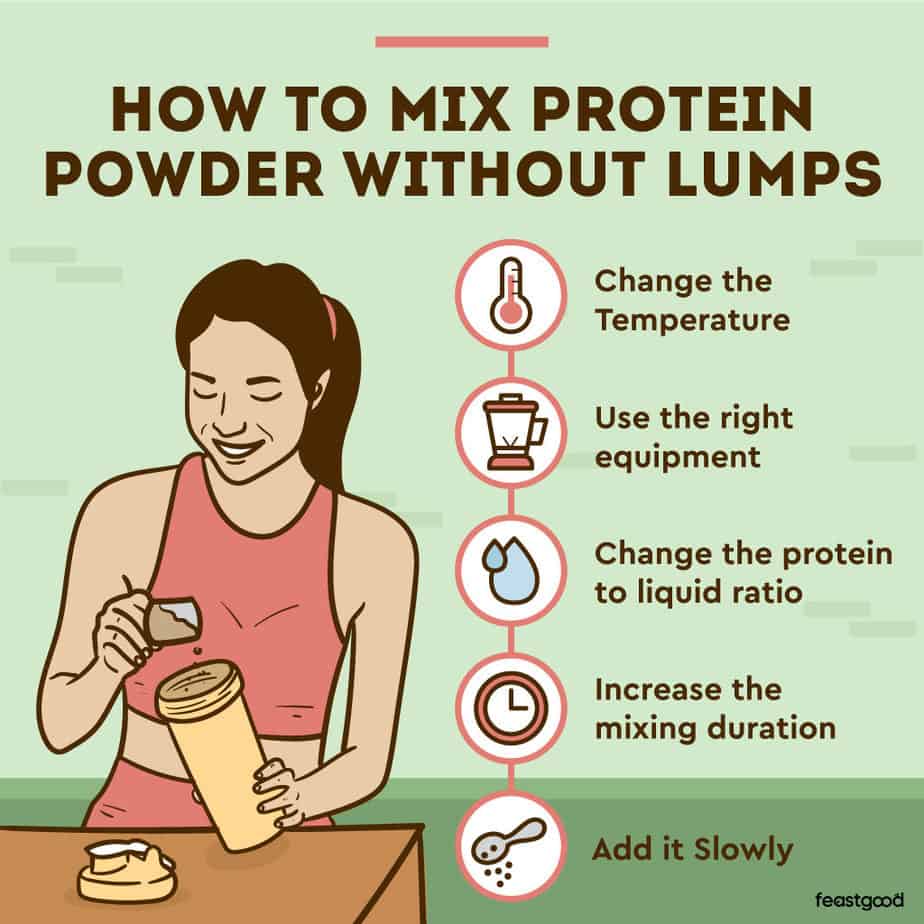
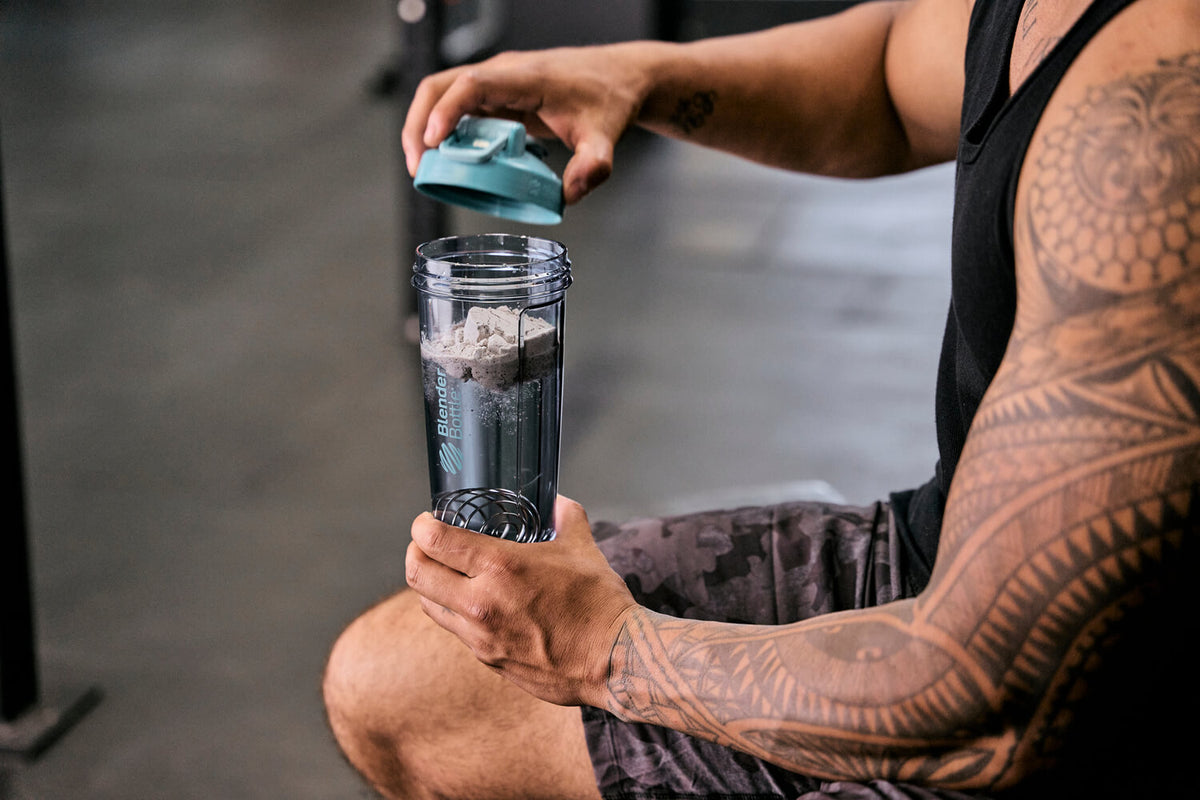
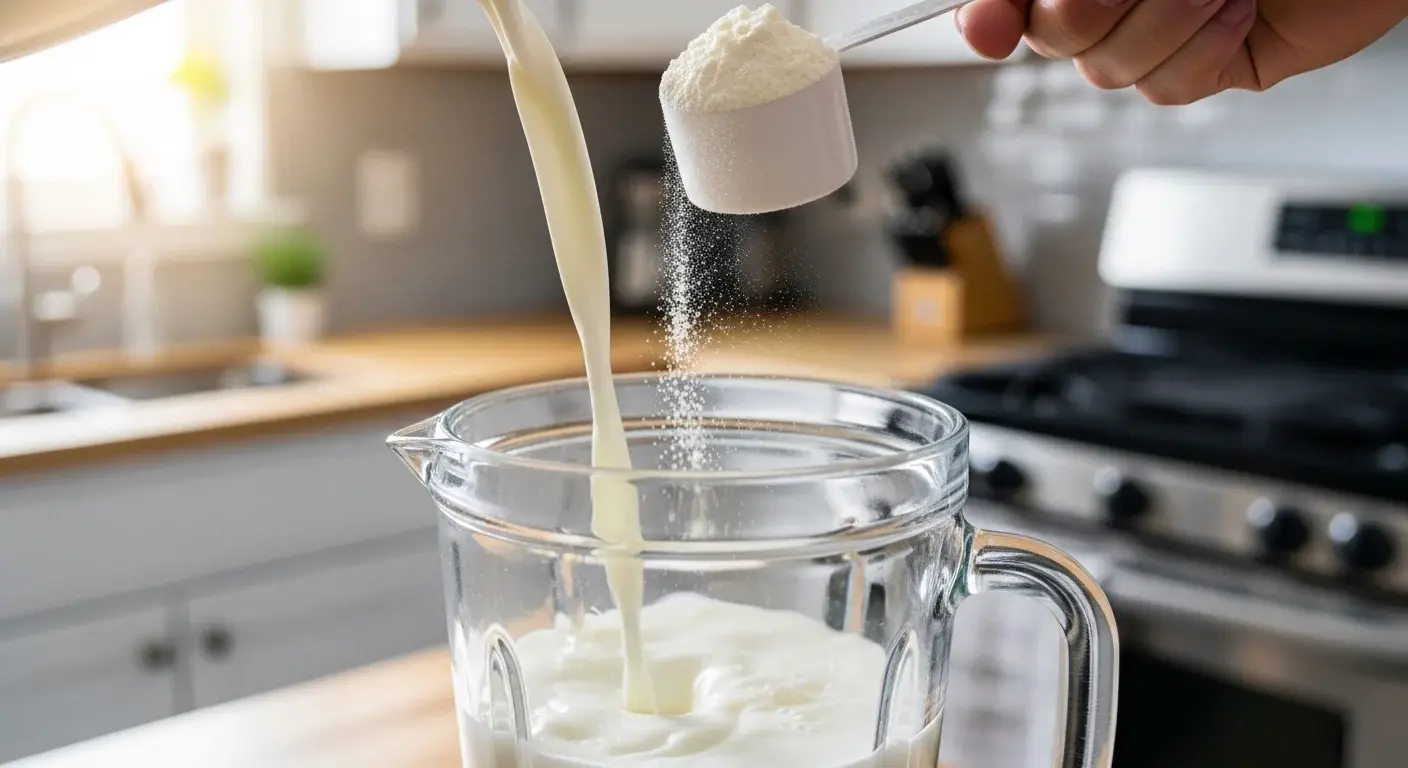
Add liquid first, sprinkle in protein powder, blend until smooth, and adjust the liquid if the shake is too thick.
Whether you are making a quick breakfast before work, a post-workout drink after lifting weights, or a smoothie for a busy morning, clumpy protein powder can spoil the experience. In American homes, a blender is a common tool for making these drinks, but even a powerful machine can leave dry pockets when the ingredients go in the wrong order.
The easiest fix is to start with enough liquid, add the powder gradually, and blend in short stages if needed. The type of protein, the temperature of the liquid, and the thickness of the other ingredients also affect the result. You do not need a costly blender or a long list of extra ingredients to make a smoother shake.
This guide explains how to prepare your blender, choose the right liquid, avoid common mixing mistakes, and rescue a shake that already has lumps. It also covers whey and plant-based powders, frozen fruit, thick smoothies, and simple cleaning tips.
Protein powder clumps when liquid fails to reach all the dry particles before they stick together. The outside of a small pile can become wet while the center stays dry. This creates a soft lump with powder trapped inside.
The issue can happen with whey, casein, soy, pea, and blended plant proteins. Each powder has its own mix of protein, flavorings, sweeteners, and other ingredients, so some powders disperse more easily than others. A method that works well for one tub may need small changes for another.
A blender helps break up lumps, but it cannot always fix a mixture that is too thick or packed around the blades. Correct ingredient order and enough liquid give the blades a better chance to circulate the mixture.
Source: storage.googleapis.com
Too little liquid
A thick mixture may not move freely around the blades. The powder can gather in dry pockets or stick to the sides of the jar.
Incorrect ingredient order
Powder added before the liquid may settle around the bottom or become trapped beneath other ingredients.
Powder added too quickly
A large pile of powder can form a wet outer layer that slows liquid from reaching the dry center.
Thick or sticky ingredients
Nut butter, yogurt, oats, frozen fruit, and other dense ingredients can reduce circulation and make blending harder.
Moisture in the powder container
A damp scoop or poorly sealed container can cause powder to form lumps before it reaches the blender.
Are Protein Powder Clumps a Sign That the Powder Is Bad?
Not always. Small, dry lumps can form because of ordinary settling or slight moisture exposure, and they do not automatically mean the powder has spoiled. However, large hard clumps, unusual discoloration, a strange smell, damaged packaging, or signs of moisture deserve closer attention.
Check the product label, expiration or best-by information, and storage instructions. If the powder smells unusual, shows visible mold, or appears contaminated, do not taste it to check whether it is safe. Discard it if spoilage is suspected.
Normal handling issue
Loose powder that has settled or formed a few small lumps may still disperse when mixed properly, provided it has been stored safely and shows no signs of spoilage.
Possible storage problem
Hard, damp clumps or other unusual changes may indicate moisture exposure. Follow the manufacturer’s guidance and discard the product when safety is uncertain.
What You Need Before Blending Protein Powder
A basic blender, your chosen protein powder, and a suitable liquid are enough for most shakes. Milk, water, and unsweetened plant-based drinks are common options. Choose a liquid that fits your taste, dietary needs, and the directions on the powder label.
Use a clean, dry scoop and a blender jar that is large enough for the ingredients to move. Do not fill the jar beyond the maximum line in the blender manual. Leave room for the mixture to circulate and for any foam that develops during blending.
Before starting, check that the blade assembly is secure and that the jar is seated correctly. If the blender has a pulse setting or several speeds, those controls can help with thick mixtures. You do not need to use the highest speed for every recipe.
Source: thelemonbowl.com
Protein powder
Measure the serving according to the product label. Avoid packing extra powder into the scoop, as a thicker mixture can be harder to blend.
Liquid
Start with the amount suggested on the package, then adjust to suit the desired texture. More liquid generally makes a thinner shake.
Blender
A standard countertop blender is suitable for many shakes. A high-powered model is not required for a simple powder-and-liquid mixture.
Optional ingredients
Fruit, oats, yogurt, seeds, and nut butter can add flavor and body. Add them in stages when a thick recipe is difficult to blend.
Should You Use Water or Milk?
Water is a simple choice when you want a lighter shake and do not want to add the calories or nutrients found in milk. Milk usually creates a richer taste and a creamier texture. Unsweetened soy, oat, almond, and other plant-based drinks can also work, depending on the product and your dietary needs.
The liquid itself does not guarantee a lump-free result. The amount, the powder’s formulation, and the way you add the ingredients still matter. If one liquid produces a thicker shake, try a little more of it before changing the entire recipe.
Water
Useful for a light shake with a neutral taste. It may produce a thinner texture than milk.
Dairy milk
Adds a creamy mouthfeel and contributes its own protein and other nutrients.
Plant-based drinks
Offer different flavors and textures. Their protein and calorie content varies by type and brand.
How To Blend Protein Powder Without Clumps Step by Step
The most reliable starting method is to blend the liquid and protein powder before adding ingredients that make the drink thick. This lets the powder disperse in a thinner mixture first. Once it looks smooth, you can add fruit or other ingredients and blend again.
The steps below work for many common protein powders, but follow any special mixing instructions printed on your product. If the manufacturer recommends a particular liquid amount or preparation method, use that as your starting point.
Source: blenderadviser.com
Step 1: Add the liquid first
Pour water, milk, or your preferred liquid into the blender jar. Starting with liquid helps the blades move it around the jar instead of pushing through a dry mass of powder.
Step 2: Measure the protein powder
Use the serving size on the label. If the powder is packed tightly or has small dry lumps, gently loosen it with a clean, dry utensil before measuring.
Step 3: Add the powder gradually
Sprinkle the powder into the liquid rather than dropping a large pile into one spot. This gives the liquid more opportunity to wet the powder evenly.
Step 4: Secure the lid
Fit the lid according to the blender instructions. Check that any removable center cap or vent is designed for use during blending before operating the machine.
Step 5: Start at a low or moderate speed
Begin with a brief low-speed blend or a few pulses if your blender supports them. This helps combine the ingredients before you increase the speed.
Step 6: Blend until the powder is dispersed
Increase the speed as needed and blend until the liquid looks uniform. The time depends on the blender, powder, liquid amount, and recipe, so use appearance rather than a fixed time as your guide.
Step 7: Add thicker ingredients if needed
For a smoothie, add fruit, yogurt, oats, or other ingredients after the powder has mixed with the liquid. Blend again until the ingredients reach the texture you want.
Step 8: Check the texture
Stop the blender before checking the drink. If it is too thick or still contains lumps, add a small amount of liquid and blend again.
How Do You Know When the Shake Is Ready?
A well-mixed shake should have a consistent color and texture, with no obvious dry pockets or large powder clumps. Small bubbles or a layer of foam can remain, especially after high-speed blending. Foam is not the same as an undissolved lump.
If the drink looks smooth but feels slightly grainy, the texture may come from the powder itself, seeds, oats, or other ingredients. Blending longer may not remove every bit of natural graininess. Check the label and consider trying a different liquid ratio if the texture is unpleasant.
Smooth appearance
The liquid has a fairly even color and no visible dry pockets.
Even movement
The mixture circulates through the jar rather than sitting in a thick mass above the blades.
No large lumps
A stopped and safely checked shake has no obvious balls of dry powder.
The Best Ingredient Order for Smooth Protein Shakes
Ingredient order matters most when the recipe contains several items. A thin liquid helps powder disperse, while frozen fruit and thick spreads can make circulation harder. Building the shake in stages can reduce the chance of dry pockets forming around dense ingredients.
For a basic drink, use liquid first and powder second. For a smoothie, blend those two ingredients until combined before adding frozen fruit, ice, oats, or nut butter. This method also makes it easier to spot a problem before the mixture becomes thick.
Source: protein-hacks.com
A Simple Order for a Fruit Protein Smoothie
Start with milk or water, then add the protein powder and blend until it is evenly dispersed. Add soft fruit next, followed by frozen fruit or ice if the recipe calls for them. Blend until the ingredients circulate freely and the texture is consistent.
If the blades struggle, stop the blender and follow the manufacturer’s instructions for loosening the mixture. Add liquid in small amounts rather than forcing the motor to work through a thick mass.
First
Add the liquid.
Second
Add the measured protein powder and blend until smooth.
Third
Add soft fruit, yogurt, or other easy-to-blend ingredients.
Last
Add frozen fruit, ice, oats, or thick spreads as needed, then blend again.
What If You Want a Very Thick Smoothie?
A thick smoothie can still be smooth, but it needs enough liquid to move around the blades. Begin with the liquid and powder, then add thick ingredients a little at a time. If the mixture stops circulating, add a small splash of liquid before continuing.
Avoid filling the blender with frozen ingredients before adding any liquid. That can leave the blades spinning without moving the food effectively. Use a tamper only if your blender is designed for one, and never insert a utensil into a running blender.
For a creamy texture
Use milk or a suitable plant-based drink and add yogurt or banana after the powder has mixed.
For a fruit-heavy blend
Use enough liquid to create circulation, then add frozen fruit in stages.
For a filling breakfast
Add oats or nut butter gradually and adjust the liquid if the mixture becomes too dense.
How Much Liquid Should You Use?
The right liquid amount depends on the powder, serving size, and texture you want. Start with the amount listed on the package rather than relying on a universal ratio. If no specific amount is given, begin with enough liquid to let the ingredients circulate and adjust after blending.
A small increase in liquid can make a thick shake easier to blend and drink. Add it gradually, because too much can dilute the flavor and make the drink thinner than you intended. If you need to add a large amount of liquid every time, check whether you are using more powder than the recipe calls for.
Source: storage.googleapis.com
A Practical Liquid Adjustment Guide
Use this table as a texture guide, not as a fixed recipe. Package directions take priority, and different powders may need different amounts of liquid.
Shake is too thick
Add a small splash of liquid, blend again, and repeat until the mixture moves freely.
Shake is too thin
Check whether the measured serving and liquid amounts match the recipe. If appropriate, add a little more powder or a thicker ingredient, then blend again.
Powder remains on the sides
Stop the blender and follow its manual before scraping or repositioning ingredients. Add liquid if the mixture is too thick to circulate.
Powder forms a dry pocket
Stop the blender, let the mixture settle, and loosen the pocket safely. Add a little liquid and blend again.
How to Fix Protein Powder Clumps After Blending
If the shake already contains lumps, you usually do not need to throw it away right away. Stop the blender and inspect the mixture before choosing a fix. The best solution depends on whether the drink is too thick, the powder is stuck to the sides, or the lumps formed before blending.
Never reach into the jar or insert a spoon while the blades are moving. Switch the machine off, wait for the blades to stop, and unplug it when required by the manual before adjusting the mixture. If the blade assembly is jammed, follow the manufacturer’s troubleshooting directions.
Source: www.reddit.com
Problem: Small lumps remain throughout the drink
Add a small amount of liquid and blend again at a low or moderate speed before increasing it as needed.
Problem: Powder sticks to the sides
Stop the blender and safely scrape the sides with a suitable utensil if the manual permits it. Replace the lid before restarting.
Problem: A thick mass sits above the blades
Add liquid gradually and restart only when the ingredients can circulate. Do not force the motor to blend a mixture that is too dense.
Problem: The blades spin but the ingredients do not move
Stop the blender. Check the liquid amount and jar assembly, and consult the manual if the motor stalls or the blades appear blocked.
Problem: The drink is grainy rather than lumpy
Try a little more liquid and additional blending, but remember that some powders and added ingredients have a naturally grainy texture.
Can You Use a Sieve to Remove Lumps?
A clean, fine-mesh sieve can catch larger lumps if the drink is otherwise smooth. However, it may also trap some of the mixture and will not fix the cause of repeated clumping. Reblending with a little more liquid is usually the more direct approach.
If you strain a shake, use clean equipment and drink it promptly or refrigerate it as appropriate. Do not leave a dairy-based or other perishable shake sitting at room temperature for an extended period.
Use a sieve when
A few large, soft lumps remain and you prefer not to blend the drink again.
Use more liquid when
The mixture is thick, powder is stuck around the jar, or the blades cannot move the ingredients freely.
Does the Type of Protein Powder Change the Method?
Yes. Protein powders differ in how they absorb liquid, disperse, and affect texture. Whey, casein, soy, pea, and multi-source blends may behave differently, so the best method is to start with the same basic steps and adjust for the specific product.
The ingredients listed on the label can help explain the result. Thickeners, fibers, flavorings, sweeteners, and added ingredients may change how a powder feels after mixing. A smooth appearance is a useful sign of good mixing, but it does not prove that every ingredient has fully dissolved.
Source: detroitchinatown.org
Whey Protein
Many whey powders mix readily in liquid, but some still form lumps when added too quickly or combined with too little liquid. Start with liquid in the jar, add the powder gradually, and blend before adding frozen fruit or other dense ingredients.
If the drink becomes foamy, allow it to rest briefly before drinking if you prefer less foam. Foam alone does not mean that the powder has clumped.
Useful approach
Begin with the package’s liquid recommendation and blend the powder before adding thick ingredients.
Casein Protein
Casein powders often produce a thicker texture than some other protein powders. If the shake becomes too dense, add liquid gradually and blend in stages rather than trying to force a thick mixture through the blades.
Follow the label’s directions because different casein products may contain different ingredients and mixing recommendations.
Useful approach
Start with enough liquid and adjust the amount until the mixture circulates easily.
Plant-Based Protein
Pea, soy, rice, and blended plant proteins can vary in texture and flavor. Some may feel grainier even after thorough blending, so not every rough texture is evidence of a mixing failure.
Try the liquid-first method and add powder gradually. If the powder consistently produces an unpleasant texture, compare the ingredient list and serving directions of another product that fits your needs.
Useful approach
Blend the powder with liquid first and add extra liquid if the drink becomes too thick.
Common Mistakes That Make Protein Shakes Lumpy
Most clumps come from a few simple mistakes, such as using too little liquid, adding powder too fast, or blending a mixture that is too thick to circulate. Fixing the mixing process is often easier than changing the blender or buying extra equipment.
A few habits also make the drink harder to prepare and the appliance harder to clean. Avoid the following mistakes when making your next shake.
Source: kitchenwink.com
Adding powder to a nearly empty jar
The powder may settle around the blade assembly and form a dense paste when liquid is added later. Put the liquid in first.
Dumping in every ingredient at once
Frozen fruit, powder, oats, and thick spreads can create a mixture that does not circulate well. Blend in stages.
Using too little liquid to save calories
A very thick shake may be difficult to blend and may not have the texture you want. Adjust the amount gradually rather than sacrificing proper circulation.
Running the blender continuously for too long
Long blending periods can heat the motor and may create excess foam. Follow the appliance’s recommended operating intervals.
Ignoring moisture in the powder container
A wet scoop can introduce moisture and cause powder to clump in storage. Keep the scoop clean and dry, and close the container securely.
Opening the lid while the blades are moving
This creates a risk of spills and contact with moving parts. Always stop the blender before opening or adjusting the mixture.
Should You Use Hot Water to Mix Protein Powder?
Cool or room-temperature liquid is a simple starting point for most cold protein shakes. Hot liquid can change how proteins and other ingredients behave, and a powder may form lumps if it is added directly to a very hot liquid.
Do not pour boiling liquid into a standard blender unless the manufacturer explicitly says the appliance is designed for hot ingredients and provides a safe method. Steam can build pressure in a sealed container and cause hot liquid to spray when the lid is opened. For a warm protein drink, follow the powder and blender instructions and avoid unsafe sealed blending.
For a cold shake
Use cool or room-temperature liquid and blend the powder before adding ice or frozen ingredients.
For a warm drink
Check both the powder label and the blender manual. Never assume a standard blender jar can safely handle boiling liquid.
How to Store Protein Powder and Keep It Ready to Mix
Good storage helps keep protein powder dry and easier to measure. Store it according to the package directions, with the lid closed between uses. A cool, dry cupboard away from steam and direct moisture is often a practical place, provided the label does not specify different conditions.
Avoid leaving an open container beside a steaming kettle or sink. Do not put a damp scoop back into the powder, and do not add water directly to the container to break up clumps. These habits can introduce moisture into the remaining product.
If you use protein powder daily, measure each serving with a clean, dry scoop. If the powder has become unusually hard, wet, discolored, or foul-smelling, do not assume blending will make it safe.
Source: feastgood.com
Keep the lid closed
Seal the container after each use to limit exposure to moisture and other contaminants.
Use a dry scoop
Keep water and other liquids away from the stored powder.
Follow the label
Use the manufacturer’s storage instructions and respect the stated shelf-life guidance.
Check unusual changes
Discard powder if you suspect mold, contamination, or spoilage instead of trying to hide the problem in a smoothie.
How Should You Clean the Blender After a Protein Shake?
Rinse the jar soon after use so protein residue does not dry around the blades and lid. Follow the blender manual to determine whether the jar and blade assembly can be separated or placed in a dishwasher.
For a basic rinse, add a suitable amount of warm water and a small amount of dish soap if the manual permits it. Secure the lid and use the appliance’s approved cleaning method, then rinse thoroughly. Never immerse a motor base in water or handle exposed blades carelessly.
Clean promptly
Protein residue becomes harder to remove when it dries on the jar or around the blade assembly.
Check the manual
Some jars, seals, and blade parts have specific cleaning rules.
Let parts dry
Dry the jar and removable parts fully before storing them or using them again.
Frequently Asked Questions
Q
Should I Put Protein Powder or Liquid in the Blender First?
Put the liquid in first, then add the protein powder. This gives the blades liquid to move around the jar and helps wet the powder more evenly. Add the powder gradually if it tends to form lumps.
Q
How Long Should I Blend a Protein Shake?
Blend only until the powder is evenly mixed and the drink reaches your preferred texture. The time varies by blender, powder, and liquid amount. Start at a low or moderate speed, increase it as needed, and follow the appliance’s operating limits.
Q
Can I Blend Protein Powder With Frozen Fruit?
Yes, if your blender is designed to handle the frozen ingredients you use. For fewer lumps, blend the liquid and protein powder first, then add the fruit. If the mixture becomes too thick to circulate, stop the blender and add a little more liquid.
Q
Why Is My Protein Shake Still Grainy After Blending?
Graininess can come from the protein powder itself or from added ingredients such as oats, seeds, and fruit. Some plant-based powders have a naturally rougher texture than others. Try adjusting the liquid amount and blending in stages, but remember that extra blending may not remove every grain.
Q
Can I Blend Protein Powder With Milk Instead of Water?
Yes. Dairy milk and suitable plant-based drinks can both work. Milk often creates a richer texture, while water usually produces a lighter drink. Follow the powder’s directions and choose the liquid that fits your taste and dietary needs.
Q
Why Does My Protein Powder Keep Clumping in the Container?
Moisture exposure, a damp scoop, or storage conditions may cause powder to form lumps. Keep the container sealed, store it as directed, and use a clean, dry scoop. If the powder has an unusual smell, visible mold, or other signs of spoilage, discard it.
Q
Can I Fix a Protein Shake That Is Already Lumpy?
Usually, you can stop the blender, add a small amount of liquid, and blend again. If powder is stuck to the sides, switch off the machine and follow the manual before scraping it down. Never reach into the jar or use a utensil while the blades are moving.
✦ Wrapping Up
Conclusion
Making a smooth protein shake starts with a simple routine: add liquid first, measure the powder, sprinkle it in, and blend until the mixture looks even. For smoothies, mix the powder with liquid before adding frozen fruit, oats, or thick ingredients. These steps help the mixture move freely and reduce the chance of dry pockets.
If lumps remain, stop the blender safely, add a little more liquid, and blend again. Check the powder’s storage condition if clumping keeps happening, and follow the instructions on both the product label and the appliance manual. A few small changes can make your daily shake easier to prepare without buying new equipment.
💡 Key Takeaway
For your next shake, pour in the liquid first, add one measured serving of protein powder gradually, blend until smooth, and adjust the texture with small amounts of liquid before adding other ingredients.