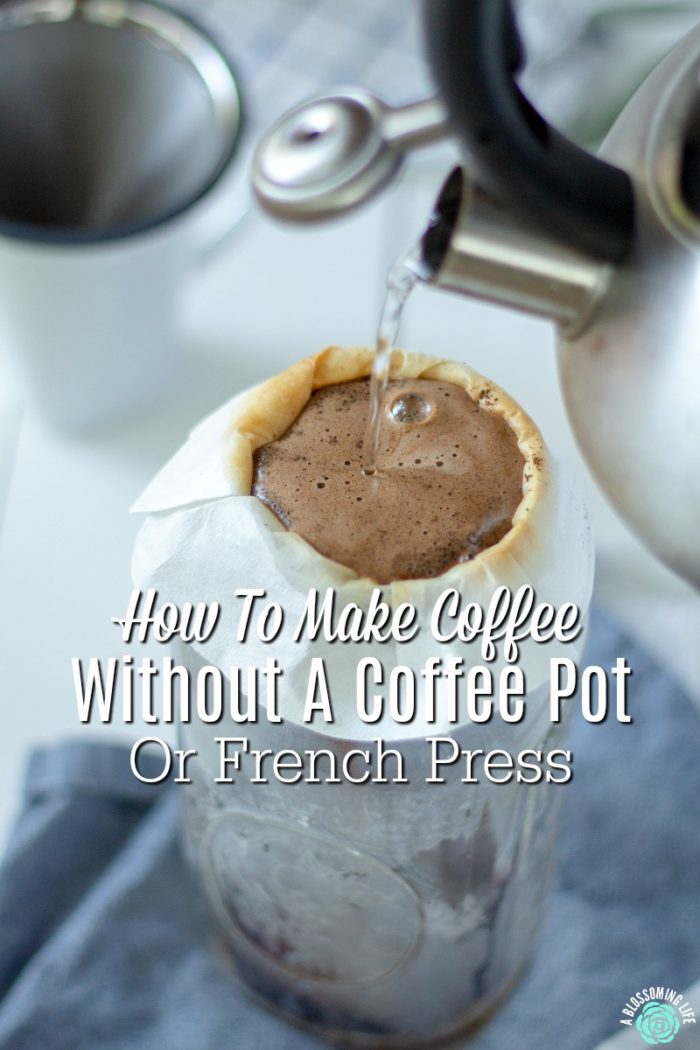
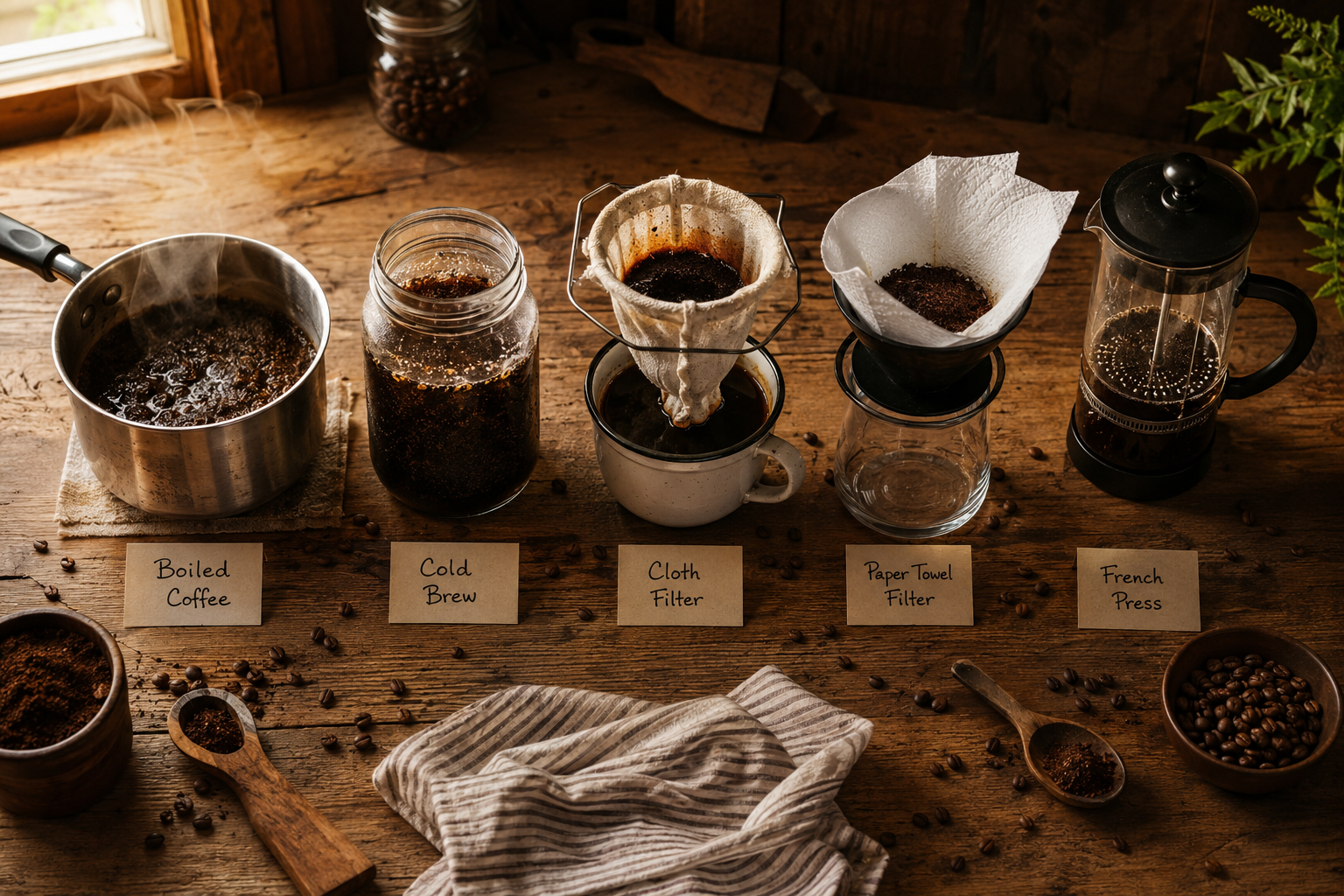
You can make coffee without a coffee maker by steeping ground coffee in hot water, then straining or settling the grounds before drinking.
Coffee is part of many daily routines across the United States. Some people brew a fresh cup before work, while others enjoy it during a quiet weekend morning or on a camping trip. But what happens when your coffee maker stops working, you move into a new apartment, or you simply do not have one? You do not have to skip your morning coffee.
You can make a good cup with common kitchen items. A saucepan, a mug, a fine strainer, or even a clean jar can help you brew coffee at home. The basic idea is simple: mix ground coffee with water, give it time to release its flavor, and separate the liquid from the grounds.
There are several ways to do this, and each one has its own benefits. Stovetop coffee is a good choice when you want a strong, full cup. A paper filter can give you a cleaner drink, while a cold brew method works well when you have time to prepare coffee ahead. You can also make a simple coffee bag with a paper filter.
This guide explains how to make coffee without a coffee maker, what tools you need, how much coffee to use, and how to fix common brewing problems. You will also learn how to make coffee without a filter, grinder, or electricity, so you can choose a method that fits your kitchen and daily routine.
Yes, you can make coffee without a coffee maker. In fact, the basic brewing process does not require an electric machine at all. You only need coffee grounds, water, a container, and a way to separate the finished drink from the grounds.
A standard coffee maker heats water and sends it through ground coffee. The water pulls flavor and aroma from the grounds before flowing into a pot or cup. You can do the same thing by mixing hot water and coffee in a saucepan or mug.
This process is called immersion brewing. The coffee stays in contact with the water for a set time, much like tea leaves steep in hot water. Once the brew is ready, you remove the grounds by straining or letting them settle at the bottom.
The result can be rich and satisfying. It may contain more fine particles than coffee made with a paper-filter machine, but that does not mean it is bad coffee. The grind size, water temperature, coffee amount, and steeping time all affect the final taste.
Source: i.pinimg.com
Coffee grounds
Use fresh ground coffee if possible. Medium or coarse grounds are easier to manage with simple brewing methods.
Hot or cold water
Hot water is useful for quick brewing, while cold water works for a longer cold brew process.
A brewing container
A clean saucepan, heat-safe mug, or glass jar can hold the coffee and water.
A way to remove grounds
Use a fine strainer, paper coffee filter, or careful pouring after the grounds settle.
What Is the Best Method for Beginners?
The saucepan method is a practical starting point. It uses items that many American households already have, and you do not need to buy special brewing equipment. You can also adjust the strength by changing the amount of coffee or the steeping time.
If you have a fine-mesh strainer, use it to remove the grounds. If you do not have one, let the grounds sink and pour the coffee slowly into your cup. Leave the last small amount of liquid in the pan to avoid transferring the sediment.
For a quick hot cup
Choose saucepan brewing or steep coffee directly in a mug.
For a cleaner cup
Use a paper coffee filter inside a stable strainer or funnel.
For iced coffee
Prepare cold brew in a covered jar and refrigerate it overnight.
How to Make Coffee on the Stove Without a Coffee Maker
Making coffee in a saucepan is one of the simplest ways to brew coffee without a machine. This method is often called cowboy coffee. It works well at home, in a vacation rental, or at a campsite where you have access to a safe heat source.
You do not need a coffee filter or special coffee pot. The grounds steep directly in the water, and you let them settle before pouring. The result is usually full-bodied, with a little more texture than paper-filtered coffee.
For one 8-ounce cup, start with about 1 to 2 tablespoons of ground coffee. If you prefer a stronger drink, add a little more. You can use a measuring spoon or kitchen scale to keep the amount consistent.
Source: advisorcoffee.com
What you need
One small saucepan, water, ground coffee, a spoon, and a coffee mug.
Suggested coffee amount
Start with 1 to 2 tablespoons of ground coffee for 6 ounces of water, then adjust to taste.
Water temperature
For a balanced hot brew, use water around 195 to 205 degrees Fahrenheit. Bring it to a boil, then let it cool briefly before adding the grounds.
Step-by-Step Instructions for Stovetop Coffee
Step 1: Measure your water. Pour the amount you need into a clean saucepan. If you are making two cups, measure enough water for both servings, with a little extra if you expect to leave some liquid behind with the grounds.
Step 2: Heat the water. Place the pan on the stove and bring the water to a boil. Turn off the heat and let it stand for about 30 seconds. This gives the water time to cool slightly.
Step 3: Add the coffee. Stir your ground coffee into the hot water. Make sure the grounds become wet instead of floating in dry clumps on the surface.
Step 4: Let it steep. Leave the coffee for about four minutes. You can stir gently once during the process, but avoid constant stirring.
Step 5: Allow the grounds to settle. Remove the pan from the heat and let it stand for another minute or two. The heavier grounds should sink toward the bottom.
Step 6: Pour slowly. Transfer the coffee into your mug. Pour gently and stop before the grounds at the bottom reach the cup. A fine strainer can help catch smaller particles.
Step 7: Serve and enjoy. Add milk, cream, sugar, or your preferred sweetener. Taste the coffee first so you can decide whether it needs anything.
Signs of success
The coffee should have a clear brown color, a pleasant roasted smell, and a taste that is not overly bitter or watery.
If the coffee is gritty
Allow more settling time and pour more slowly. You can also strain the drink through a paper coffee filter.
If the coffee tastes weak
Use a little more ground coffee next time or extend the steeping time slightly.
How to Make Cowboy Coffee Without a Filter
Cowboy coffee is a useful option when you have a saucepan but no strainer or paper filter. It follows the same basic process, but you rely on gravity to separate the coffee from the grounds.
After the coffee has steeped, let it rest until most of the grounds sink. Some people add a small splash of cool water to help floating grounds settle. This is optional, not a required step.
Pour the coffee slowly into your mug without shaking the pan. Keep the final layer of liquid and sediment in the saucepan. This method will not remove every fine particle, but careful pouring can make the drink much easier to enjoy.
Do not boil the grounds for too long
Extended boiling can produce a harsh taste. Steeping off the heat gives you better control.
Keep the pan steady
Moving or shaking the pan can stir settled grounds back into the coffee.
How to Make Coffee in a Mug Without a Coffee Maker
You can brew coffee directly in a mug when you do not have a saucepan or coffee pot. This is sometimes called cup immersion brewing. It is a simple option for a small kitchen, hotel room, office, or dorm room.
The method is similar to using a French press, except you do not have a plunger to separate the coffee. Instead, the grounds settle at the bottom of the mug, or you transfer the drink through a strainer into another cup.
A heat-safe ceramic mug is a good choice. Avoid thin glass that is not designed for hot liquids, since sudden temperature changes can cause it to crack.
Source: coffeebrewster.com
What you need
A heat-safe mug, ground coffee, hot water, and another mug or fine strainer if available.
Coffee amount
Start with 1 to 2 tablespoons for 6 ounces of water.
Steeping time
About four minutes is a useful starting point.
Steps for Brewing Coffee Directly in a Mug
First, place your ground coffee in the bottom of a clean mug. Medium or coarse grounds are easier to manage because they tend to settle more readily than very fine grounds.
Next, heat your water and let it cool briefly after boiling. Pour the water over the grounds and stir gently to make sure they are fully wet. Leave enough space at the top of the mug to prevent spills.
Let the coffee steep for about four minutes. Once the time is up, stop stirring and give the grounds another minute to settle. This helps keep more sediment at the bottom.
Drink from the top slowly, or carefully pour the coffee into a second mug. Avoid drinking the final mouthful, where the settled grounds collect.
Use a second mug
Transferring the coffee into another mug can help you leave more grounds behind.
Avoid fine powder
Very finely ground coffee can stay suspended in the liquid and make the drink muddy.
Adjust the strength
Add more coffee for a stronger cup or use less for a lighter flavor.
Can You Make Coffee in a Mug Without a Strainer?
Yes. You can make coffee without a strainer by allowing the grounds to settle at the bottom. This is a practical solution when you have no brewing accessories.
The key is patience. Give the grounds enough time to sink, then sip or pour carefully. Do not stir the mug again after the grounds settle, because this can bring the particles back into the drink.
Best grind
Coarse or medium-coarse grounds are easier to settle than espresso-fine coffee.
Best technique
Pour gently or drink from the top while leaving the final sediment behind.
How to Make Coffee Without a Coffee Filter
You can make coffee without a paper filter by using a fine-mesh strainer, a saucepan, or a homemade coffee bag. You do not need to buy a special filter just to prepare one cup.
The best choice depends on the items you have. A fine-mesh strainer catches many loose grounds, while a saucepan lets you use the settling method. A homemade coffee bag keeps the grounds together during brewing.
A paper filter is still useful if you want a cleaner cup. It catches fine particles and some coffee oils. However, you can enjoy coffee without one if you use a suitable brewing method.
Source: roastycoffee.com
Fine-mesh strainer
Pour brewed coffee through a clean kitchen strainer to catch most of the larger particles.
Homemade coffee bag
Place coffee inside a food-safe paper coffee filter and tie it closed with plain kitchen string.
Settling method
Let the grounds sink to the bottom of a saucepan or mug, then pour slowly.
How to Make a Homemade Coffee Bag
A homemade coffee bag works much like a tea bag. It keeps most of the grounds in one place and makes cleanup simple. This method is handy when you have hot water but no coffee machine or filter holder.
Place one or two tablespoons of ground coffee in the center of a paper coffee filter. Gather the edges and tie them with clean, plain kitchen string. Leave enough room inside the packet for water to move through the grounds.
Put the packet in a mug and pour hot water over it. Let it steep for about four to five minutes. Dunk the bag gently once or twice to help water move through the coffee.
Lift the bag out when the coffee reaches your preferred strength. Let excess liquid drain naturally. Avoid squeezing it hard, since this can push fine particles into the cup and make the taste less pleasant.
Use a food-safe filter
Choose a paper coffee filter made for brewing rather than an unknown paper product.
Leave room for expansion
Do not pack the coffee into a tight ball. Water needs space to pass through the grounds.
Keep the string outside the mug
This makes the bag easier to remove without putting your fingers near hot water.
Can You Use a Paper Towel Instead of a Coffee Filter?
A paper towel may seem like an easy substitute, but it is not the best choice. Some paper towels can tear when wet, release loose fibers, or affect the flavor of your coffee. Their materials and suitability for hot food contact can also vary.
A proper coffee filter is designed for brewing and is a more reliable choice. If you do not have one, use the saucepan or mug-settling method instead of relying on an unknown paper product.
Avoid using printed paper, tissues, napkins with coatings, or paper that may contain ink, glue, fragrance, or other materials not intended for hot drinks.
Better alternative
Use a clean fine-mesh strainer or a suitable coffee filter.
No filter available
Let the grounds settle and pour carefully.
How to Make a Makeshift Pour-Over Without a Coffee Maker
A makeshift pour-over is a good option when you have paper coffee filters but no coffee machine or pour-over dripper. It uses gravity to move hot water through the grounds and into your mug.
This method gives you a cleaner cup than brewing loose grounds directly in water. The paper filter catches most of the sediment and some of the coffee oils. You also have more control over how much water passes through the grounds at once.
You will need a stable mug, a clean funnel or fine-mesh strainer, and a paper coffee filter. Make sure the setup cannot tip over when you pour hot water.
Source: coffeeatoz.com
Ground coffee
Use medium-ground coffee for a steady flow through the filter.
Paper filter
Choose a proper coffee filter that fits safely inside the strainer or funnel.
Hot water
Use water around 195 to 205 degrees Fahrenheit for a practical starting point.
Step-by-Step Makeshift Pour-Over Method
Step 1: Place a clean funnel or fine strainer over a sturdy mug. Check that it sits securely and will not move when the filter becomes wet.
Step 2: Place the paper coffee filter inside the funnel or strainer. If the filter is designed for rinsing, pour a little hot water through it first. Discard that water before brewing.
Step 3: Add the ground coffee to the filter. For a 10-ounce cup, you can start with about 18 to 20 grams of coffee and adjust to your taste.
Step 4: Pour a small amount of hot water over the grounds until they are evenly wet. Wait about 30 seconds. This short pause is often called the bloom, when trapped gas escapes from freshly ground coffee.
Step 5: Slowly pour the remaining water in small circles. Keep the flow gentle so the grounds do not overflow or move out of place.
Step 6: Wait until most of the water passes through the filter. Remove the filter carefully and serve your coffee.
Do not pour too fast
A slow, steady pour helps keep the grounds in contact with the water.
Keep the setup stable
Never hold a hot filter and funnel over your mug by hand if they can be placed securely.
Watch the flow
If the water drains too slowly, the grind may be too fine or the filter may be clogged.
Why Choose This Method?
The main benefit is a cleaner cup with less sediment. It is also useful when you enjoy the taste of drip coffee but do not want to purchase a new machine.
The main drawback is that you need a filter and a stable holder. If you do not have those items, saucepan brewing is easier and requires less setup.
Choose it for
A cleaner cup, more control over water flow, and a lighter coffee texture.
Skip it when
You have no proper filter or cannot create a stable setup.
How to Make Cold Brew Coffee Without a Coffee Maker
Cold brew is another easy way to make coffee without a machine. Instead of using hot water, you steep coffee grounds in cool or room-temperature water for several hours. The long brewing time allows the water to draw flavor from the coffee without heat.
This method is useful during warm American summer mornings when you want iced coffee. It also works well if you prefer to prepare your drink the night before and keep it ready in the refrigerator.
Cold brew often tastes smoother and less sharp than hot-brewed coffee. However, the result depends on the beans, grind size, coffee-to-water ratio, and steeping time.
Source: i.pinimg.com
What you need
A clean glass jar or covered food-safe container, coarse ground coffee, cool water, and a strainer or paper filter.
Coffee amount
For a concentrate, start with roughly 1 part coffee to 4 or 5 parts water by weight.
Brewing time
About 12 to 18 hours is a useful starting range.
Step-by-Step Cold Brew Instructions
Step 1: Choose a clean jar with enough room for your coffee and water. A covered glass jar or food-safe pitcher works well.
Step 2: Add coarse ground coffee to the jar. Coarse grounds are useful because they are easier to filter after a long steep.
Step 3: Pour cool drinking water over the grounds. A starting ratio is 1 part coffee to 4 or 5 parts water by weight. Stir gently to make sure all the grounds become wet.
Step 4: Cover the jar and place it in the refrigerator. Let it steep for about 12 to 18 hours. A shorter steep may produce a lighter drink, while a longer one may create a stronger taste.
Step 5: Strain the mixture. Pour it through a fine-mesh strainer to remove the larger grounds. For a cleaner result, pass it through a paper coffee filter as well.
Step 6: Store the finished coffee in a clean, covered container in the refrigerator. Dilute the concentrate with water or milk before serving, and add ice if desired.
Use coarse grounds
They make it easier to separate the coffee after steeping.
Keep it refrigerated
Refrigeration helps keep the prepared drink cold during the long brewing process.
Adjust before drinking
Cold brew concentrate can be strong, so add water or milk until it tastes right.
How to Serve Homemade Cold Brew
Pour some cold brew concentrate into a glass and add cold water or milk. Start with equal parts concentrate and liquid, then change the amount to suit your taste.
For a simple iced coffee, add ice cubes and a splash of milk. You can also add a little sugar, vanilla, or another flavor you enjoy.
Do not leave homemade cold brew sitting at room temperature for long periods. Keep it covered and refrigerated, use clean utensils, and discard it if it develops an unusual smell, appearance, or taste.
For a strong drink
Use less dilution water or milk.
For a lighter drink
Add more water or milk.
For iced coffee
Pour over ice just before serving.
How Much Coffee and Water Should You Use?
The amount of coffee you use has a major effect on the strength of your drink. Too little coffee can make the result taste weak, while too much can make it overly strong or difficult to balance.
A useful starting point for hot coffee is about 1 to 2 tablespoons of ground coffee for every 6 ounces of water. This is a flexible kitchen measure, not an exact rule. The weight of a tablespoon changes with the grind and the type of coffee.
If you have a kitchen scale, measuring by weight gives you better control. A starting ratio of about 1 gram of coffee for every 15 to 16 grams of water works for many hot brewing methods. You can then adjust the ratio to match your preferred taste.
Source: roastycoffee.com
For a mild cup
Start near the lower end of the suggested coffee amount.
For a balanced cup
Try a ratio close to 1:15 or 1:16 by weight.
For stronger coffee
Add a little more ground coffee instead of boiling the brew for longer.
Simple Coffee-to-Water Measurement Table
Use this table as a starting guide when making hot coffee without a coffee maker. The tablespoon amounts are approximate because different coffee grounds have different weights and textures.
6 ounces of water
Start with 1 to 2 tablespoons of ground coffee.
8 ounces of water
Start with about 1.5 to 2.5 tablespoons of ground coffee.
12 ounces of water
Start with about 2 to 4 tablespoons of ground coffee.
16 ounces of water
Start with about 3 to 5 tablespoons of ground coffee.
Why Does Grind Size Matter?
Grind size affects how quickly water extracts flavor from coffee. Fine grounds have more exposed surface area, so they release flavor more quickly. Coarse grounds release flavor more slowly and are easier to remove from the finished drink.
For saucepan and mug brewing, medium-coarse or coarse coffee is often easier to work with. For a makeshift pour-over, medium grounds usually give a better flow through the filter.
If you only have finely ground coffee, you can still brew it. Shorten the steeping time if the taste becomes harsh, and use a paper filter or fine strainer to remove as much sediment as possible.
Coarse grind
Useful for saucepan brewing, cold brew, and long steeping.
Medium grind
A flexible choice for mug brewing, straining, and makeshift pour-over.
Fine grind
Can produce a strong brew quickly but may leave more sediment in an improvised method.
How to Make Coffee Without a Grinder or Electricity
You can still prepare coffee if you have whole beans but no grinder. You can also make coffee without electricity if you have a safe way to heat water. The best approach depends on the tools available.
A rolling pin, mortar and pestle, or sturdy blender can break whole beans into smaller pieces. The result may not be as even as coffee ground in a proper burr grinder, but it can work for saucepan brewing or immersion methods.
If you have no electricity, a gas stove, camp stove, or suitable outdoor cooking setup can heat your water. You can then use the saucepan method without needing an electric coffee maker.
Source: five-star-coffee.com
Rolling pin
Place the beans inside a sealed, sturdy food bag and crush them on a stable surface.
Mortar and pestle
Crush a small amount of beans at a time until they reach a suitable size.
Blender
Use short pulses to break the beans into coarse pieces. Clean and dry the blender before use.
How to Crush Coffee Beans With a Rolling Pin
Put a small amount of whole coffee beans into a sturdy, sealed food bag. Press out excess air and close the bag securely.
Place the bag on a stable cutting board. Use a rolling pin to press and roll over the beans until they break into smaller pieces. Check the texture and continue until the pieces are suitable for brewing.
The grounds may not be perfectly even, so use a saucepan or mug steeping method. These methods are more forgiving than a makeshift pour-over when the grind has mixed particle sizes.
Work in small batches
A smaller amount of beans is easier to crush evenly.
Protect the beans
Keep them inside a sealed food-safe bag to prevent pieces from spreading across the counter.
How to Make Coffee During a Power Outage
A power outage does not always mean you have to go without coffee. If you have a working gas stove or camp stove, heat water in a saucepan and use the cowboy coffee method.
If you are camping, use a safe outdoor cooking area and follow the instructions for your stove or fire equipment. Never use outdoor camping stoves, charcoal grills, or open fires inside a home, tent, or enclosed space because they can produce dangerous carbon monoxide.
If you have no safe way to heat water, instant coffee can be a practical backup when you have safe drinking water. It dissolves without brewing equipment and requires very little cleanup.
Use a safe heat source
Follow the manufacturer’s directions for gas and camping equipment.
Keep hot cookware stable
Use a flat surface and suitable handles to reduce the risk of spills.
Choose instant coffee when needed
It is a useful backup when you cannot safely heat or brew fresh grounds.
Common Mistakes When Making Coffee Without a Coffee Maker
Improvised coffee brewing is simple, but a few small mistakes can change the taste. Most problems come from using the wrong amount of coffee, steeping for too long, or failing to remove the grounds properly.
You do not need to start over every time a cup tastes different. First, identify the problem, then change one part of the process. This makes it easier to find a brewing method that works for you.
Using too much coffee
A very high coffee-to-water ratio can make the drink overpowering. Reduce the amount slightly and taste the next batch.
Boiling the coffee for too long
Continuous boiling can make the flavor harsh. Remove the pan from the heat before adding the grounds.
Using very fine grounds
Fine particles can stay suspended in the drink. Choose a coarser grind or use a paper filter.
Pouring too quickly
Fast pouring can disturb the settled grounds. Pour slowly and leave the sediment behind.
Using dirty equipment
Old coffee residue can affect the taste. Wash the saucepan, mug, jar, and strainer before brewing.
Why Does Homemade Coffee Taste Bitter?
Bitter coffee may come from water that is too hot, a long steep, very fine grounds, or too much coffee. These factors can make the drink taste harsh instead of balanced.
Try using water that has cooled briefly after boiling. Reduce the steeping time or use a coarser grind. If the coffee is still too strong, add a little hot water to the finished drink.
Possible cause
Coffee steeped for too long.
Practical fix
Shorten the steep and taste before extending the brewing time.
Why Does Coffee Taste Weak or Watery?
Weak coffee usually means there is too little coffee for the amount of water, the steeping time is too short, or the grounds are not being wetted properly.
Measure the coffee and water before brewing. Add a little more coffee if needed, and stir gently at the beginning so all the grounds become wet.
Possible cause
Too little coffee or too much water.
Practical fix
Increase the amount of ground coffee slightly and keep the steeping time consistent.
Why Is There Coffee Sediment at the Bottom of the Cup?
Sediment is common when you brew coffee without a paper filter. Fine particles can pass through a metal strainer or remain in the drink after the grounds settle.
Let the brew rest for another minute and pour more carefully. If you want a cleaner cup, use a proper paper coffee filter after brewing. This catches much of the remaining fine material.
Possible cause
Very fine grounds or an unsuitable strainer.
Practical fix
Use coarser coffee or filter the finished drink through a paper coffee filter.
Safety Tips for Brewing Coffee Without a Machine
Making coffee without a machine is generally simple, but hot water, hot pans, and improvised containers can cause burns or spills. Use cookware that is designed for heating and containers that can safely hold hot liquids.
Never place an ordinary drinking glass over a stove or pour boiling water into a container that is not heat-safe. Sudden temperature changes can cause some glass to crack. Keep saucepan handles turned away from the edge of the stove and use a stable surface when pouring.
Microwaving water also requires care. Water can become superheated in a smooth container and erupt when disturbed, even if it does not appear to be boiling. Follow your microwave manufacturer’s instructions, use a microwave-safe container, and handle heated water carefully.
Water quality matters too. Use safe drinking water for your coffee. If you are traveling somewhere with questionable tap water, use properly treated water or water from an unopened, factory-sealed bottle. Hot coffee does not make every unsafe water source suitable for drinking.
Protect your hands
Use dry oven mitts or suitable pot holders when handling hot cookware.
Use heat-safe containers
Choose mugs and jars intended for hot drinks when making hot coffee.
Avoid unstable setups
Do not balance a funnel or strainer loosely over a mug while pouring hot water.
Keep children away
Keep hot pans, kettles, and freshly brewed coffee out of reach.
Clean your tools
Wash brewing containers and utensils before and after use.
Does Unfiltered Coffee Have Any Health Considerations?
Coffee contains natural oils called diterpenes, including cafestol and kahweol. These compounds can pass into unfiltered coffee. Paper filters catch much of these oils, while metal strainers and settling methods allow more to remain in the drink.
Research has linked frequent consumption of unfiltered coffee with higher LDL cholesterol levels. This does not mean that one cup of cowboy coffee is automatically harmful. However, people who need to manage cholesterol may want to choose paper-filtered coffee more often.
If you regularly drink large amounts of coffee and have concerns about cholesterol, discuss your coffee habits with a qualified healthcare professional. The brewing method is one factor, but your overall diet and health also matter.
Paper-filtered coffee
Removes much of the coffee oil that passes through a metal strainer.
Unfiltered coffee
Usually retains more natural coffee oils and fine particles.
Which Coffee Brewing Method Should You Choose?
The best method depends on what you have in your kitchen and how you like your coffee. You do not need to use the same technique every day. A saucepan works well when you want a hot cup quickly, while a jar is better when you have time to prepare cold brew.
The following comparison makes it easier to choose. Consider the equipment, preparation time, and type of coffee you want before you begin.
Choose saucepan coffee
When you want a simple hot drink and have a stove and saucepan.
Choose mug brewing
When you want one serving and have no extra equipment.
Choose a homemade coffee bag
When you want an easy cleanup and have a suitable paper filter.
Choose makeshift pour-over
When you prefer a cleaner cup and have a stable filter holder.
Choose cold brew
When you want iced coffee and can wait several hours.
Choose instant coffee
When you need the fastest option and do not have fresh grounds or brewing tools.
A Simple Decision Guide
If your coffee maker has stopped working, start with a saucepan. If you are in a hotel room with a kettle and a mug, use the mug or coffee-bag method. If you are preparing drinks for a warm afternoon, cold brew may be more convenient.
For a cleaner flavor, a makeshift pour-over is worth trying. For camping, a saucepan or campfire-safe pot is a practical option when you have a suitable outdoor heat source.
No filter and no strainer
Use the saucepan settling method.
No stove
Use a safe hot-water source or prepare cold brew in advance.
No grinder
Use pre-ground coffee or crush whole beans with a suitable kitchen tool.
No brewing equipment at all
Use instant coffee if you have safe drinking water.
How to Get Better Results From Homemade Coffee
A few small habits can make improvised coffee taste more consistent. You do not need expensive equipment, but you should pay attention to the freshness of the grounds, the amount of water, and the brewing time.
Start with clean, fresh water and coffee that has been stored properly. Keep coffee beans or grounds in a sealed container away from moisture, heat, and strong odors. Grind only what you need when possible, since ground coffee loses freshness faster than whole beans.
Use the same mug or measuring cup each time to estimate your water amount. If you enjoy a particular cup, write down how much coffee you used and how long you steeped it. You can repeat those measurements the next morning instead of guessing.
Choose good coffee
Use fresh beans or grounds with a smell and appearance that seem normal.
Measure your ingredients
A consistent coffee-to-water ratio makes it easier to repeat a good result.
Control steeping time
Start with about four minutes for hot immersion brewing and adjust gradually.
Clean your equipment
Old coffee residue and oils can make a fresh brew taste stale.
Taste and adjust
Change one variable at a time so you can tell what improves the flavor.
Should You Use Freshly Ground or Pre-Ground Coffee?
Both options work without a coffee maker. Freshly ground coffee can offer a stronger aroma because fewer of its aromatic compounds have been exposed to air for a long time. However, pre-ground coffee is more convenient and works well for emergency brewing.
If you already have pre-ground coffee at home, there is no need to buy a grinder. Use a medium or coarse grind when possible, especially for saucepan brewing.
For whole beans, a grinder gives the most consistent results. If you do not own one, crushing the beans with a rolling pin or mortar and pestle is a workable backup.
Can You Make Coffee With Instant Coffee Instead?
Yes. Instant coffee is the simplest option if you have no coffee maker, no filter, and no ground coffee. It is made from brewed coffee that has been dried into soluble particles, so you only need to dissolve it in water.
Add the amount listed on the package to a mug. Pour in hot water and stir until the coffee dissolves. Adjust the amount according to the strength you prefer.
Instant coffee does not produce the same flavor or texture as freshly brewed grounds, but it is quick, portable, and useful for travel, power outages, and small kitchens.
Frequently Asked Questions
Q
What Is the Easiest Way to Make Coffee Without a Coffee Maker?
The easiest way is to make coffee in a saucepan. Heat water, remove it from the stove, stir in ground coffee, and let it steep for about four minutes. Allow the grounds to settle, then pour slowly into your mug.
You can also make coffee directly in a mug if you only want one serving. Both methods require very little equipment.
Q
Can You Make Coffee With Just Hot Water and Ground Coffee?
Yes. Put ground coffee in a heat-safe mug, add hot water, and stir gently. Let the mixture steep for about four minutes, then allow the grounds to settle.
Drink from the top or pour the coffee into another mug without transferring the sediment. A strainer or paper filter can make the drink cleaner, but it is not required.
Q
How Do You Make Coffee Without a Filter or Coffee Pot?
Use a clean saucepan and let the coffee grounds settle after steeping. Add hot water to the grounds, wait about four minutes, and let the mixture rest for another minute or two.
Pour the coffee slowly into your mug and leave the last bit in the pan. This method does not remove every fine particle, but it works without a coffee filter or coffee pot.
Q
Can You Make Coffee in the Microwave?
You can heat water in a microwave-safe mug and use it to brew coffee. However, you should take care because water can become superheated and suddenly erupt when disturbed.
Follow the microwave manufacturer’s directions, use a suitable container, and handle the heated mug carefully. A kettle or saucepan is a more straightforward way to heat water when available.
Q
Can You Boil Coffee Grounds Directly in Water?
You can boil coffee grounds in water, but keeping them at a rolling boil for a long time may produce a harsh or bitter taste. A better starting method is to bring the water to a boil, remove it from the heat, and then add the grounds.
Let the mixture steep for about four minutes before allowing the grounds to settle. This gives you more control over the flavor.
Q
How Long Should Coffee Steep Without a Coffee Maker?
About four minutes is a useful starting point for hot immersion brewing. The exact time depends on the grind size, coffee amount, water temperature, and your taste.
Cold brew takes much longer. A covered jar in the refrigerator can steep for roughly 12 to 18 hours before you strain and serve it.
Q
Can You Use a Tea Strainer to Make Coffee?
Yes, a clean, food-safe tea strainer can work if its mesh is fine enough to hold most of the coffee grounds. Add the grounds to the strainer, place it over a mug, and pour hot water through slowly.
Some fine coffee particles may still pass through. A proper paper coffee filter can provide a cleaner result.
Q
Can You Make Coffee Without Electricity?
Yes. If you have a safe gas stove, camp stove, or suitable outdoor cooking setup, heat water in a saucepan and prepare cowboy coffee.
Use outdoor cooking equipment only in a safe outdoor location. Never use a charcoal grill or camping stove inside a home, tent, or enclosed space because of carbon monoxide risks.
Q
What Is the Best Coffee Grind for Making Coffee Without a Machine?
A medium-coarse or coarse grind is a useful choice for saucepan and mug brewing. Larger particles are easier to settle and remove than very fine grounds.
For a makeshift pour-over, medium grounds usually work better because water can pass through them at a steady rate.
Q
Is Coffee Made Without a Coffee Maker as Good as Machine-Brewed Coffee?
It can be just as enjoyable, but the result may be different. Machine-brewed coffee often has a more consistent brewing temperature and water flow, while improvised methods depend more on timing and careful pouring.
A saucepan or mug can make a rich cup, while a paper-filter pour-over can produce a cleaner drink. The best result depends on your coffee, technique, and personal taste.
✦ Wrapping Up
Conclusion
You do not need a coffee maker to enjoy a fresh cup of coffee at home. A saucepan, mug, jar, or paper filter can help you prepare a satisfying drink with simple kitchen tools. The key is to use the right amount of coffee, control the water temperature, and give the grounds enough time to release their flavor.
For most beginners, saucepan brewing is a great place to start. It requires little equipment and works with many types of ground coffee. If you want a cleaner cup, try a makeshift pour-over or use a paper filter after steeping. When you prefer iced coffee, prepare a jar of cold brew and keep it refrigerated.
The best method is the one that fits your available tools and taste. Start with a simple recipe, make small changes, and keep track of the amounts that work. With a little practice, you can make good coffee even when your regular coffee maker is unavailable.
💡 Key Takeaway
For your next cup, add 1 to 2 tablespoons of ground coffee to 6 ounces of hot water, steep for about four minutes, let the grounds settle, and pour slowly into a clean mug.