No, you do not always need to peel garlic before using a garlic press. Many presses can crush unpeeled cloves while leaving the papery skin inside the chamber. However, peeling the garlic first can help you get more usable garlic and make cleanup easier.
If you cook at home in the United States, you may use fresh garlic in pasta, soups, sauces, roasted vegetables, and homemade marinades. A garlic press makes this small kitchen task much easier. It turns a whole clove into fine garlic pieces without making you chop it by hand. But there is one question that often comes up when preparing dinner: should you remove the thin skin first?
The answer depends on your garlic press and the result you want. Many modern presses are made to handle both peeled and unpeeled garlic. When you press a clove with its skin on, the soft garlic passes through the small holes while much of the dry skin stays inside. This can save time and reduce the need to touch sticky garlic. Still, some garlic may remain trapped with the skin, and certain presses work better with peeled cloves. Understanding this small difference can help you prepare garlic with less waste and less mess.
Do You Need to Peel Garlic Before Using a Garlic Press?
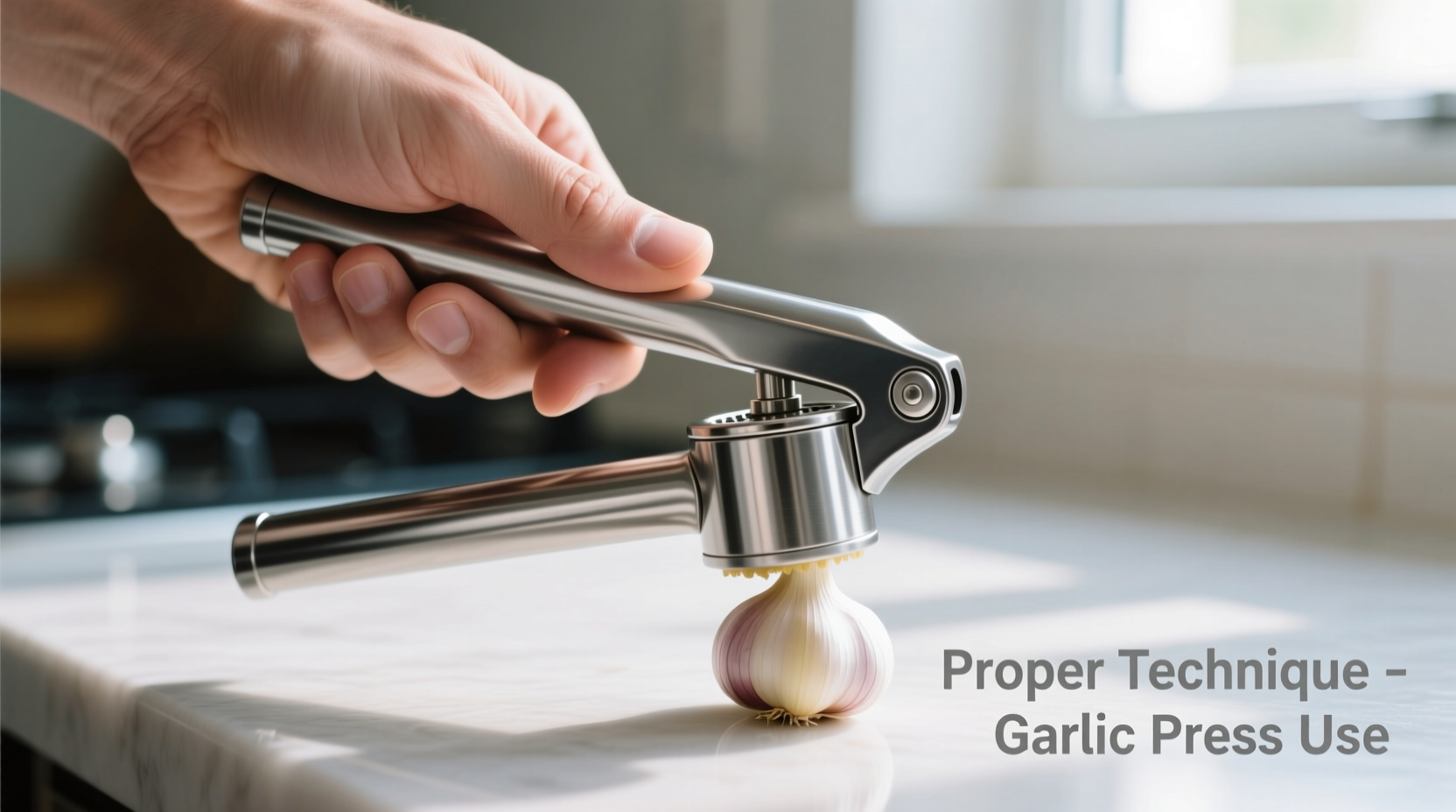
No, peeling is not always necessary. Many traditional garlic presses can handle a whole, unpeeled garlic clove. You place the clove inside the chamber, close the handles, and squeeze. The pressure pushes the soft garlic through the small holes while the thin outer skin usually stays behind.
This is one reason people enjoy using a garlic press. You can skip a small but sometimes annoying preparation step. You also avoid handling the sticky clove as much as you would when peeling and chopping garlic by hand.
However, not every garlic press works in the same way. Some models have a large chamber and a strong plunger. Others have a small basket or a design that works best with peeled cloves. Always check the instructions for your particular tool before using it with the skin on.
For example, Pampered Chef’s garlic press instructions allow either peeled or unpeeled cloves. Zyliss also describes pressing garlic without removing the skin first. These examples show that peeling is not a universal requirement, but they do not mean every press has the same design or performance.
Source: assets.epicurious.com
Unpeeled garlic
A useful choice when your press accepts whole cloves and you want to save preparation time.
Peeled garlic
A good choice when you want more control over the amount of garlic that passes through the press.
Check the instructions
Follow the manufacturer’s guidance if your press has a special chamber, removable basket, or built-in peeling feature.
What Happens When You Press Garlic With the Skin On?
A garlic clove has two main parts for this task: the soft edible flesh and the thin, papery outer covering. The press uses pressure to force the soft flesh through its perforated plate. The skin is tougher and does not pass through the small openings as easily.
After squeezing, you will often find a flattened piece of skin inside the chamber. You can remove it and discard it. Some skin may break into smaller pieces, so check the basket before loading another clove.
This process is convenient, but it may not remove every bit of garlic from the skin. If you notice a large amount of usable garlic trapped in the chamber, try peeling the next clove before pressing it.
The garlic flesh
The soft inside of the clove is pushed through the small holes.
The papery skin
Most of it remains in the chamber and can be removed after pressing.
Does Every Garlic Press Accept Unpeeled Cloves?
No. Some presses are designed to accept unpeeled cloves, while others work best when the skin has been removed. The size of the basket, the shape of the plunger, and the strength of the handles can affect how well the tool handles an unpeeled clove.
A model with a spacious chamber may have room for a large clove and its skin. A smaller model may become crowded, which can make pressing harder and leave more garlic behind. If the handles do not close with normal pressure, stop rather than forcing them.
Traditional hinged press
Many models can handle unpeeled cloves, but check the care and use instructions.
Small-capacity press
Peeling and cutting a large clove may help it fit properly.
Special peeling press
Some models have a separate feature for loosening or removing garlic skin. Follow their specific steps.
Why You Might Want to Press Garlic Without Peeling It
Leaving the skin on can save time and reduce the amount of preparation needed before cooking. If you only need one or two cloves for a quick meal, skipping the peeling step can make a noticeable difference in your kitchen routine.
It can also help keep your fingers cleaner. Fresh garlic has sticky juices that can cling to your fingertips and leave a strong smell. When you place an unpeeled clove directly into a suitable press, you handle the outer skin rather than the exposed garlic flesh.
Another benefit is that the leftover skin can make it easier to remove some of the garlic residue from the chamber. Instead of finding loose garlic paste stuck all over the basket, you may find much of it held together with the flattened peel. This depends on the press and the clove.
However, convenience does not always mean the best yield. A portion of the edible garlic may stay attached to the skin. If you are preparing a large amount of garlic or need a precise quantity, peeling each clove may be more useful.
Source: arbuz.com
Less preparation
You can move from separating a clove to pressing it without spending time removing the thin outer covering.
Cleaner fingers
The papery covering provides a barrier between your fingers and the sticky garlic flesh.
Simple cleanup
The leftover skin may collect some garlic residue and can be removed from the chamber in one piece.
Fewer preparation tools
You may not need a separate paring knife or garlic peeler for a small amount of garlic.
When Unpeeled Garlic Is the Better Choice
Unpeeled garlic is useful when you are preparing a quick weeknight dinner. Imagine making spaghetti with tomato sauce after a busy day. You need two cloves of garlic, and your press is designed for whole cloves. You can place them directly inside and squeeze without stopping to peel them first.
It can also be convenient when preparing a marinade, salad dressing, or soup. These dishes often call for finely crushed garlic, which a press can produce quickly. The small pieces mix easily into liquids and sauces.
Quick pasta meals
Press a couple of cloves directly into a sauce when your tool supports unpeeled garlic.
Homemade dressings
Save preparation time when adding a small amount of fresh garlic to a liquid dressing.
Small cooking tasks
Avoid unnecessary peeling when you only need one or two cloves.
Reasons to Peel Garlic Before Using a Press
Although peeling is optional with many presses, removing the skin first can give you better control over the preparation process. A peeled clove contains no papery covering to take up space in the basket. This may help the garlic pass through the holes more cleanly.
Peeling can also reduce waste. When you press an unpeeled clove, some edible flesh may remain attached to the discarded skin. Removing the skin before pressing lets you see the whole clove and makes it easier to notice any part that has been left behind.
Another reason is consistency. If you are preparing several cloves for a recipe, peeled cloves can be easier to load and process in a similar way. This is especially helpful when using a press with a small chamber.
The main downside is the extra time. You need to loosen the skin, remove it, and sometimes trim the root end. For a single clove, this may feel unnecessary. For a large batch, however, peeling first can make the pressing process more predictable.
Source: mavigadget.com
Better control
You can inspect the entire clove and remove unwanted dry or damaged areas.
Potentially better yield
You reduce the chance of throwing away edible garlic stuck to the papery covering.
Less chamber waste
Without the skin, there is less material left inside the basket after pressing.
Easier loading
A peeled clove may fit more easily into a smaller pressing chamber.
When You Should Peel Garlic First
Peeling first is a sensible choice when the manufacturer recommends it, when your press struggles with unpeeled cloves, or when you want to use as much of the clove as possible.
It is also helpful when the skin is already loose, damaged, damp, or breaking into small pieces. Loose fragments can get mixed with the garlic or collect around the holes. Removing the skin first gives you a cleaner starting point.
If your recipe requires an exact amount of garlic, peeled cloves are easier to measure by weight or inspect before pressing. This matters more in recipes where the garlic flavor needs to stay balanced.
Large batches
Peeling can help you keep the amount of usable garlic more consistent.
Small press chambers
Removing the skin can make loading easier and reduce crowding.
Damaged cloves
Remove loose skin and inspect the garlic before putting it in the press.
Precise recipes
Peeling first makes it easier to check and measure the garlic flesh.
How to Use a Garlic Press With Unpeeled Garlic
Using unpeeled garlic is simple when your press is designed to handle it. You only need fresh garlic, a suitable press, and a small bowl or plate to catch the crushed pieces. Before starting, make sure the press is clean and the holes are free of old garlic.
Do not assume that every clove can go straight into the chamber. Inspect it first. Remove loose outer layers from the bulb, separate the clove, and check for signs of damage. A clean, firm clove is the best starting point.
Once the clove is ready, use steady pressure. A garlic press works through leverage, so you should not need to jerk the handles or force them shut. If the clove is too large, remove it and cut it into smaller pieces if the instructions allow.
Source: s.alicdn.com
What you need
A garlic press that accepts unpeeled cloves, fresh garlic, a small bowl, and a cleaning brush or the tool supplied with the press.
Before you begin
Wash your hands, inspect the garlic, and make sure the pressing chamber is clean.
Step 1: Separate a Fresh Garlic Clove
Remove one clove from the garlic bulb by gently pulling it away from the other cloves. Do not place the entire bulb inside the press. A garlic press is designed to hold individual cloves, not the whole head.
Choose a firm clove with intact flesh. Avoid cloves that feel soft, have visible mold, or show signs of decay. A little natural variation in the color of garlic skin is not automatically a problem, but damaged garlic should be inspected carefully.
Remove loose skin
Take away any loose pieces that are already falling off. You do not need to strip the entire clove if your press accepts unpeeled garlic.
Check the root end
Remove a hard, dry piece if it interferes with loading or your press instructions recommend trimming it.
Step 2: Open the Garlic Press
Hold the handles and open the press fully. Check the basket for old garlic, dried skin, or food particles. If the chamber is dirty, clean it before adding another clove.
Make sure the plunger moves freely and lines up with the basket. A press that is not properly aligned may crush the garlic unevenly or make it harder to close.
Check the basket
Look for blocked holes and remove old residue.
Check the alignment
Make sure the pressing plate sits correctly above the chamber.
Step 3: Place the Unpeeled Clove Inside
Put the clove into the basket with the skin still attached. Position it so the press can close without the clove sticking out of the chamber. Do not force a very large clove into a small basket.
If the clove is unusually large, check the manufacturer’s instructions before cutting it. Some presses accept cut cloves more easily, while others are designed for whole cloves.
Avoid overfilling
Use the amount that fits comfortably inside the chamber.
Keep fingers clear
Do not place your fingers between the plunger and the basket.
Step 4: Squeeze the Handles Slowly
Position the press over a bowl, cutting board, or the dish where you want to add the garlic. Bring the handles together with firm, even pressure. The garlic flesh should pass through the small holes and form a moist mince.
You may notice some liquid coming out with the garlic. This is normal because pressing breaks the clove’s cells and releases its juices. Continue until the press reaches its normal closed position without forcing it.
Use steady pressure
Squeeze smoothly instead of making sudden movements.
Watch the output
The garlic should emerge through the perforated plate.
Step 5: Remove the Garlic and Discard the Skin
Open the press and collect the garlic from the outside of the perforated plate. A small spoon or the back of a table knife can help scrape the garlic into your bowl. Keep your fingers away from sharp edges.
Next, remove the flattened skin from the chamber. Check whether any usable garlic is still attached to it. If so, you can separate the flesh and add it to your recipe.
Collect the garlic
Scrape the crushed garlic into your food or preparation bowl.
Remove the peel
Discard the leftover skin and any unwanted hard pieces.
Step 6: Clean the Press
Rinse the press soon after use. Fresh garlic is much easier to remove than dried garlic paste. Open the chamber and rinse both sides under running water, paying attention to the small holes.
Use the cleaning tool supplied with your press if it has one. Otherwise, use a suitable small brush. Avoid pushing sharp objects through the holes in a way that could damage the tool or hurt your fingers.
Wash the press according to its care instructions. Some models are dishwasher-safe, while others need hand washing. Dry it fully before storing it.
Rinse immediately
Do not let wet garlic residue dry inside the basket.
Clean both sides
Remove trapped pieces from the plunger and perforated plate.
Follow care instructions
Use the dishwasher only if the manufacturer allows it.
How to Peel Garlic Quickly When You Need To
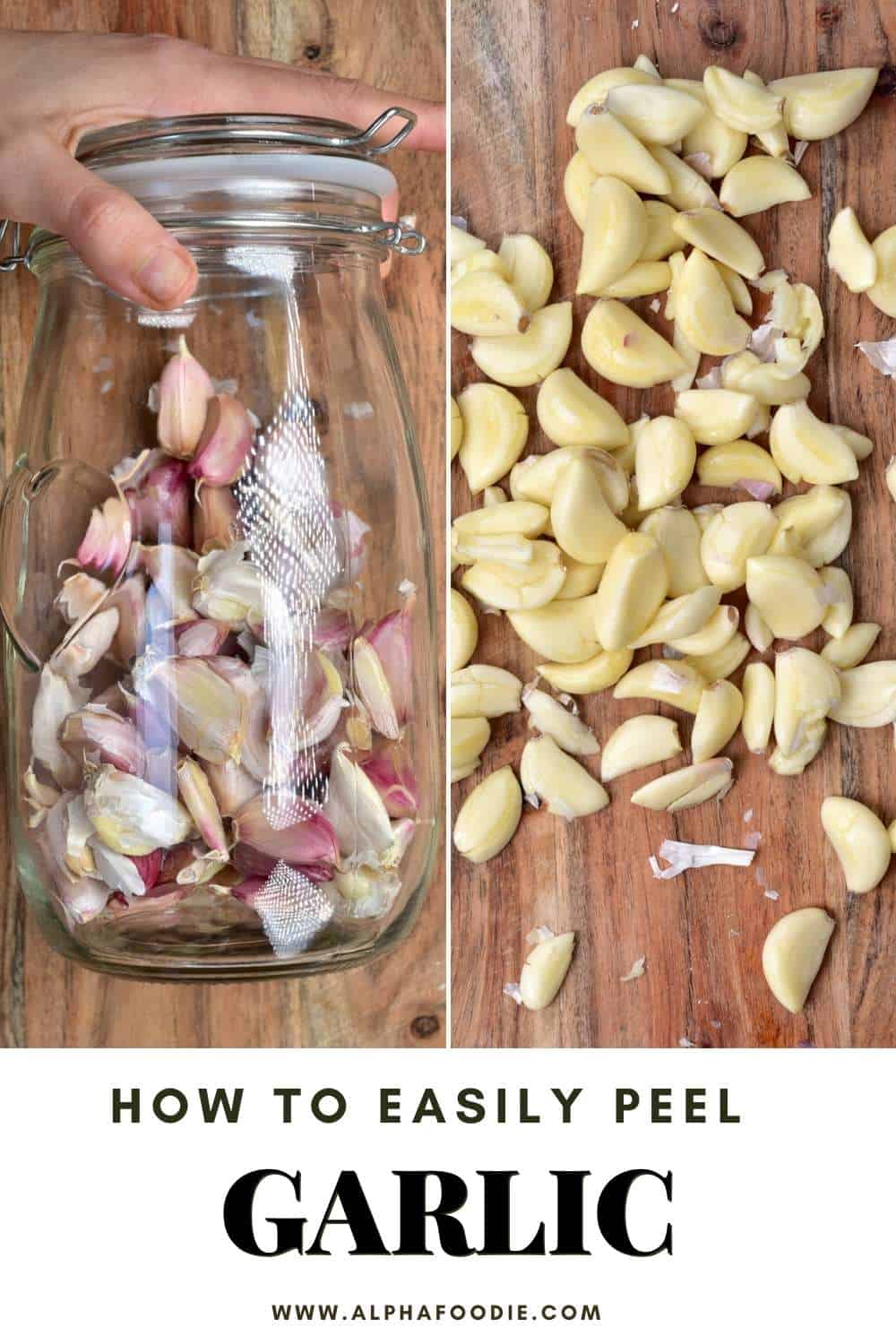
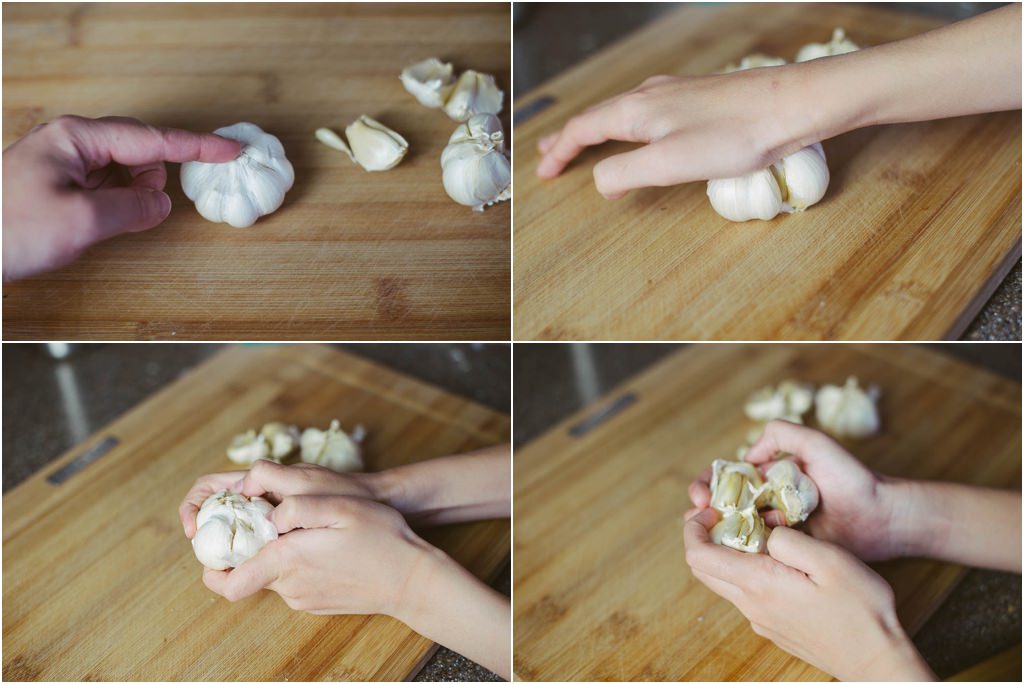
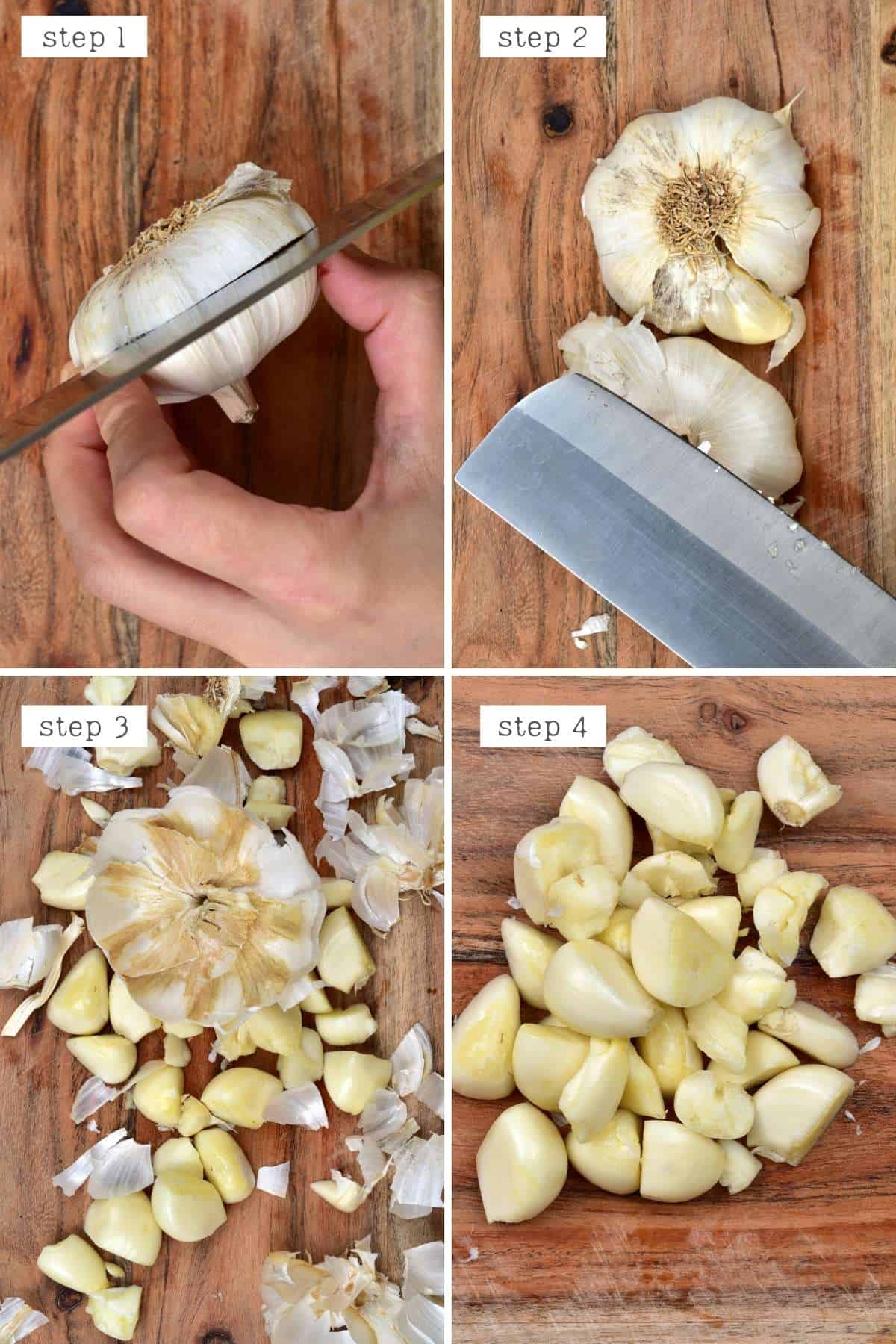
If your garlic press works better with peeled cloves, you do not need a special kitchen gadget to remove the skin. A few simple methods can make the job quick and easy. Choose the method that suits the amount of garlic you need.
For one or two cloves, gently crushing the clove with the flat side of a chef’s knife is often convenient. For several cloves, shaking them between two metal bowls can loosen many skins at once. The right method depends on whether you want to keep the cloves whole.
Source: s.alicdn.com
Knife method
Useful for a small number of cloves when crushing them slightly will not affect your recipe.
Two-bowl method
Useful for a larger batch when you want to loosen several skins at once.
Garlic peeler
A silicone garlic tube can help remove the skin while keeping the clove mostly intact.
Method 1: Use the Flat Side of a Knife
Place one garlic clove on a stable cutting board. Lay the flat side of a wide chef’s knife over it, keeping the sharp edge pointed away from your hand. Press down gently with your palm until you hear or feel the skin crack.
Remove the knife and peel away the loosened skin with your fingers. The clove may become slightly flattened, which is fine for a garlic press. Avoid striking the knife with excessive force, especially if you are not comfortable using this method.
Best for
One or two cloves that will be crushed or minced.
Main limitation
The clove may lose its original shape.
Method 2: Shake Garlic Between Two Bowls
Separate several cloves from the bulb and place them inside a sturdy metal bowl. Cover it with another bowl of similar size, holding the rims together securely. Shake firmly so the cloves move around and knock against the sides.
After shaking, open the bowls and check the cloves. Some skins may come off completely, while others may only become loose. Remove the remaining skin by hand. This method works best when the skins are already fairly loose.
Best for
Preparing several cloves at once.
Main limitation
It may not remove every skin, especially from fresh cloves with tight coverings.
Method 3: Use a Silicone Garlic Peeler
Place a clove inside a silicone garlic peeler. Roll the tube against a clean countertop using the palm of your hand. The movement creates friction between the clove and the silicone, helping loosen the outer skin.
Remove the clove and pull away the loose covering. This method can be useful when you want to keep the garlic in a more intact shape before pressing.
Best for
People who often prepare garlic and want a simple reusable peeling tool.
Main limitation
Some cloves may need extra rolling or a little hand peeling.
Peeled vs. Unpeeled Garlic: Which Should You Use?
Both methods can work well, but they offer different benefits. Unpeeled garlic saves time, while peeled garlic gives you more control over the amount of edible flesh that enters the press. The best choice depends on your tool, recipe, and personal preference.
If you use a press every day, try both methods with the same type of garlic. Check how easily the handles close, how much garlic comes through, and how much residue remains inside. These simple observations can help you learn what works best with your particular press.
The following table compares the two approaches. It is a practical guide rather than a universal performance rating because garlic size and press design can change the result.
Source: alphafoodie.com
A Simple Comparison
Use this comparison when deciding whether to peel your next garlic clove. If speed is your main goal and your press accepts unpeeled cloves, leaving the skin on is reasonable. If you care more about yield and easier inspection, peeling first may be the better choice.
Preparation time
Unpeeled garlic requires less preparation. Peeled garlic takes an extra step.
Garlic yield
Peeled cloves may provide more usable flesh because the skin is removed before pressing.
Cleanup
Unpeeled cloves may leave a flattened skin inside the chamber. Peeled cloves leave no papery covering but can leave sticky garlic residue.
Chamber space
Peeled cloves take up less space than the same cloves with their skin attached.
Convenience
Unpeeled cloves are often faster for small everyday cooking tasks.
Does Peeling Change the Garlic Flavor?
Removing the papery skin does not normally change the flavor of the garlic flesh in a meaningful way. The main difference comes from how the clove is crushed, chopped, or otherwise broken apart.
A garlic press breaks many garlic cells and creates a fine, moist result. This releases garlic juices and compounds that give fresh garlic its strong smell and taste. The result can seem more intense than larger pieces of chopped garlic because the texture and amount of exposed garlic are different.
For most home recipes, the choice to peel or not peel is mainly about convenience, yield, and cleanup rather than a special flavor advantage.
Fine garlic texture
Pressed garlic mixes easily into sauces, soups, and dressings.
Cooking temperature
Fine garlic can brown or burn quickly in hot oil, so watch it closely.
Common Mistakes When Using a Garlic Press
A garlic press is easy to use, but a few small mistakes can lead to poor results. The most common problems include using cloves that are too large, overfilling the chamber, applying too much force, and waiting too long before cleaning the tool.
Most of these problems are easy to fix. Start by checking the garlic and the press before squeezing. If the tool does not close normally, stop and remove the clove rather than trying to force the handles together.
Source: s.alicdn.com
Overfilling the chamber
Too much garlic can make the press harder to close and may cause garlic to escape around the sides. Use fewer cloves.
Using damaged garlic
Soft, moldy, or decaying cloves should not be used. Select fresh, firm garlic instead.
Forcing the handles
Excessive pressure can strain the tool or your hands. Stop if the press feels stuck.
Ignoring leftover skin
Remove the flattened peel before pressing another clove so the chamber does not become crowded.
Leaving garlic to dry
Dried garlic can block the holes and make cleaning much harder. Rinse the tool promptly.
Why Is My Garlic Press Hard to Squeeze?
A press that is difficult to close may have an oversized clove inside, too much garlic in the chamber, or old residue blocking the perforations. The plunger may also be misaligned. These problems can prevent the tool from working smoothly.
Open the press and remove the garlic. Check the chamber for trapped skin and dried pieces. If the clove is too large, use a smaller one or cut it into pieces if the instructions permit. Then try again with a clean chamber.
If the press still feels unusually stiff when empty, check for damage or a loose component. Do not continue using a tool with a bent or broken part.
Check the clove size
Make sure the clove fits without crowding the basket.
Clear the holes
Remove old garlic that may be blocking the perforated plate.
Check the mechanism
Make sure the handles and plunger move as intended.
Why Is Garlic Sticking Inside the Press?
Garlic may stick inside the basket because it is moist and sticky. This is common with freshly crushed cloves. A press with a removable basket or built-in cleaner may make removal easier.
Use a small brush or the supplied cleaning tool to remove the residue. Rinsing the press soon after use also helps. Avoid scraping the holes with a sharp knife because you could damage the surface or injure yourself.
Rinse while fresh
Fresh garlic residue is easier to remove than dried paste.
Use the right brush
Choose a tool that can reach the small holes without damaging them.
Inspect the basket
Check for remaining garlic before storing the press.
Why Is My Pressed Garlic Coming Out in Large Pieces?
Large pieces may appear when the clove is too big, the press is not aligned, or the pressing plate is not working properly. Some presses also produce a coarser result than others.
Check the tool’s alignment and use a suitable clove size. If you need a very fine paste, a garlic press with small, closely spaced holes may suit your recipe better. You can also use a fine grater or microplane if your recipe calls for a smooth garlic paste.
Try a smaller clove
A smaller piece may pass through the chamber more evenly.
Check the holes
Make sure the perforated plate is clean and undamaged.
Choose another tool
Use a grater or knife when the texture from your press is not suitable.
How to Clean a Garlic Press After Using Unpeeled Garlic
Cleaning your garlic press soon after use is one of the best ways to keep it working well. Garlic pulp dries quickly and can become difficult to remove from the tiny holes. The leftover papery skin can also trap bits of garlic inside the chamber.
Start by opening the press and removing the flattened skin. Scrape away any garlic that remains on the outside of the perforated plate. Then rinse the chamber under running water to loosen the remaining residue.
If your press includes a built-in cleaning tool, use it according to the instructions. Otherwise, a small kitchen brush can help clear the holes. Avoid using a sharp object that could scratch the tool or slip toward your fingers.
Some presses are dishwasher-safe, while others require hand washing. Check the manufacturer’s instructions before putting yours in the dishwasher. Once clean, dry the press fully before storing it.
Source: alphafoodie.com
Remove the peel
Take out the leftover skin and discard it.
Rinse the chamber
Use running water to loosen fresh garlic residue.
Brush the holes
Remove trapped pieces with an appropriate cleaning tool.
Wash as directed
Follow the care instructions for hand washing or dishwasher use.
Dry before storage
Remove excess water and store the press in a clean, dry place.
Can You Put a Garlic Press in the Dishwasher?
Some garlic presses are dishwasher-safe, but this is not true of every model. Materials, coatings, handles, and removable parts can affect the correct cleaning method.
Check the product manual or manufacturer’s care label. If dishwasher cleaning is allowed, follow the recommended placement and cleaning instructions. If the manufacturer recommends hand washing, use warm water, dish soap, and a small brush instead.
Do not assume that a stainless-steel appearance means the entire tool is dishwasher-safe. Some presses contain other materials that may need different care.
Dishwasher-safe model
Use the dishwasher according to the manufacturer’s directions.
Hand-wash model
Wash with warm, soapy water and clear the holes with a suitable brush.
Can You Use a Garlic Press for Every Recipe?
A garlic press is useful for many recipes, but it is not the best tool for every type of garlic preparation. It creates small, crushed pieces with a moist texture. This makes it a good choice when you want garlic to blend into a sauce or dressing.
For recipes that need visible slices or larger pieces, a knife is usually better. Sliced garlic can be cooked more gently and gives you a different texture. A press does not produce the same result.
You should also think about cooking temperature. Pressed garlic has many exposed surfaces and can brown quickly in hot oil. Add it at the right stage of cooking and stir it often to prevent burning.
Source: dwgyu36up6iuz.cloudfront.net
Pasta sauce
Pressed garlic mixes well into tomato-based and creamy sauces.
Soup
Fine garlic pieces can spread through the liquid.
Salad dressing
Pressed garlic blends easily with oil, vinegar, lemon juice, and other dressing ingredients.
Marinades
Crushed garlic helps distribute its flavor throughout a liquid marinade.
Garlic slices
Use a knife when you want larger pieces that keep their shape during cooking.
Is Pressed Garlic Stronger Than Chopped Garlic?
Pressed garlic can taste more intense than coarsely chopped garlic. The reason is that pressing breaks many of the clove’s cells, releasing juices and flavor compounds. This creates a fine mixture that spreads through food easily.
Chopped garlic has larger pieces and may release its flavor differently during cooking. The final taste also depends on the amount used, the cooking time, and the temperature.
If a recipe calls for chopped garlic but you use a press instead, consider starting with a little less if you are sensitive to strong garlic flavor. You can always adjust the amount to suit your taste.
Pressed garlic
Fine, moist, and easy to blend into liquids.
Chopped garlic
Larger pieces with more noticeable texture.
Sliced garlic
Thin pieces that retain their shape during cooking.
How to Choose the Right Garlic Press for Unpeeled Cloves
If you regularly want to skip peeling, look for a garlic press whose manufacturer clearly states that it accepts unpeeled cloves. This is more useful than choosing a tool based only on its appearance or handle size.
A roomy basket can make it easier to load whole cloves. Strong, comfortable handles can also help when pressing larger cloves. A removable basket or built-in cleaning tool may be useful if you often prepare garlic with its skin on.
Cleaning is just as important as pressing performance. Small holes can trap garlic, so a design that allows you to reach both sides of the basket can save time after cooking. If the tool is dishwasher-safe, that may offer another convenient cleaning option.
You do not need an expensive press just to crush garlic. A simple, sturdy model can work well if it fits your needs and is easy to maintain.
Unpeeled-clove compatibility
Look for clear instructions that permit pressing garlic with the skin attached.
Comfortable handles
Choose handles that feel stable and comfortable in your hands.
Roomy chamber
A larger basket can make loading whole cloves easier.
Easy cleaning
Look for a removable basket, cleaning tool, or accessible pressing plate.
Clear care instructions
Check whether the press needs hand washing or can go in the dishwasher.
Is a Garlic Press Worth Using?
A garlic press can be worth having if you regularly use fresh garlic and prefer a fine, moist texture. It saves you from chopping cloves by hand and can make small cooking tasks quicker.
However, it is not essential. A sharp kitchen knife can mince garlic just as well when you want more control over the size of the pieces. A grater is another option for making a fine paste.
The best tool is the one that matches the way you cook. If you often make sauces, dressings, and marinades, a press may be convenient. If you mostly slice garlic for frying or roasting, a knife may be all you need.
Choose a press
When you often need finely crushed garlic with little chopping.
Choose a knife
When you want slices, chunks, or more control over garlic texture.
Choose a grater
When you need a fine paste without using a pressing chamber.
Frequently Asked Questions
Q
Can You Put Unpeeled Garlic in Any Garlic Press?
No, not every garlic press is designed for unpeeled cloves. Many traditional models accept garlic with the papery skin attached, but some work better with peeled cloves. Check the manufacturer’s instructions before using an unpeeled clove. If the chamber becomes crowded or the handles are difficult to close, stop and remove the clove.
Q
Does the Garlic Skin Come Out With the Pressed Garlic?
Usually, most of the skin stays inside the pressing chamber while the soft garlic flesh passes through the small holes. After pressing, open the tool and remove the flattened skin. Check it for any edible garlic that may still be attached before throwing it away.
Q
Do You Get More Garlic by Peeling It First?
You may get more usable garlic when you peel the clove before pressing it. Unpeeled garlic can leave some edible flesh attached to the discarded skin. Peeling first removes that outer covering and lets you inspect the entire clove. The difference depends on the clove and the design of your press.
Q
Should You Cut Off the End of Garlic Before Pressing?
You do not always need to cut off the root end. However, removing a hard, dry piece can make some cloves easier to load and press. It can also help if your press instructions recommend trimming the end. Avoid cutting away too much of the edible clove.
Q
Can You Press Garlic Without Touching It?
Yes, a garlic press lets you crush a clove without handling the exposed garlic flesh directly. You still need to load the clove and remove the leftover skin, but you can use a spoon or suitable cleaning tool to collect the garlic. This can reduce direct contact with sticky garlic.
Q
Can You Use Garlic That Has Started Sprouting?
A firm garlic clove with a small green sprout can generally still be used. The sprout may have a stronger or more bitter taste, so you can cut the clove lengthwise and remove it if you prefer a milder flavor. Discard garlic that is moldy, rotten, or unusually soft.
Q
Can You Press Several Garlic Cloves at Once?
Some garlic presses have enough room for more than one small clove, while others are designed for one clove at a time. Follow the capacity instructions for your model. Overfilling can make the press harder to close and may cause garlic to escape around the edges.
Q
Why Does My Garlic Press Leave Some Garlic Behind?
Some garlic may remain inside the chamber because of the skin, the clove’s size, or the shape of the pressing plate. A small amount of residue is common. Remove the leftover skin, collect any usable garlic, and rinse the press before the residue dries. If a large amount remains, try peeling the next clove or checking the press for blocked holes.
✦ Wrapping Up
Conclusion
So, do you need to peel garlic before using a garlic press? In most cases, no. Many garlic presses can handle unpeeled cloves by pushing the soft garlic through the small holes while leaving much of the papery skin inside the chamber. This can save time, keep your fingers cleaner, and make everyday cooking easier.
Still, peeling first has its advantages. It can help you get more usable garlic, reduce the amount of material inside the basket, and make pressing easier with some models. The best choice depends on your tool, the size of the cloves, and how much garlic you need.
For a quick meal, try an unpeeled clove if your press allows it. For a large batch or a recipe that needs a precise amount, peeling first may be more practical. Whatever method you choose, use steady pressure and clean the press soon after cooking.
💡 Key Takeaway
Check your garlic press instructions, separate one firm garlic clove, and try pressing it with the skin on. If the garlic passes through easily, remove the leftover peel and rinse the press. If the tool struggles or leaves too much garlic behind, peel the next clove before pressing.