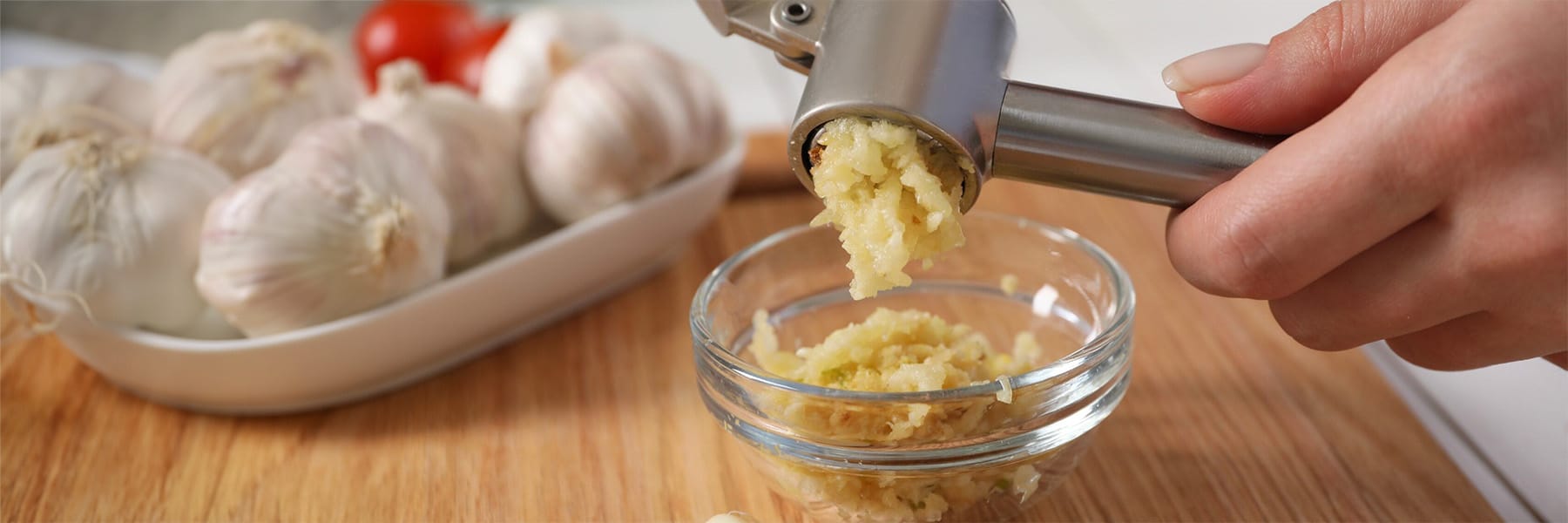
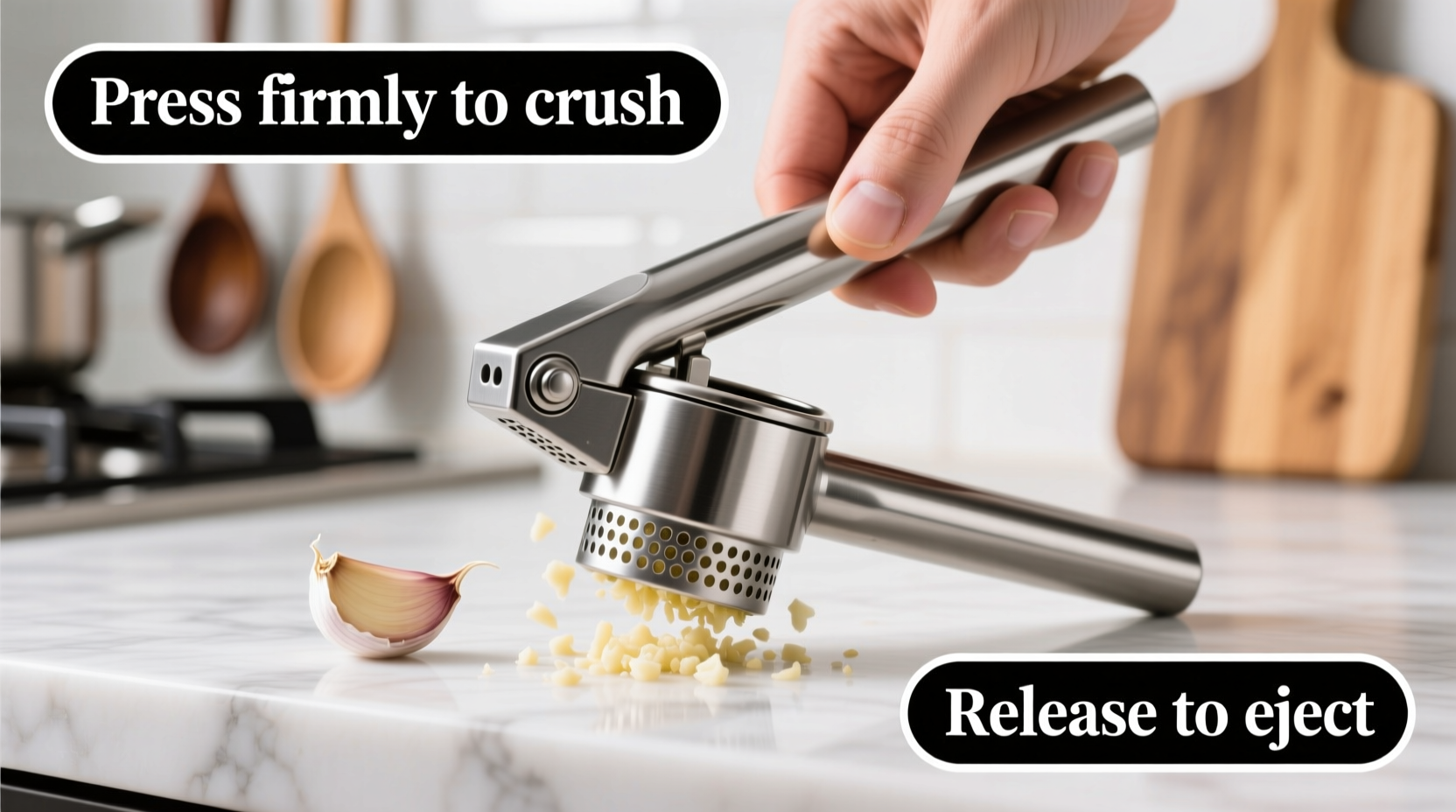
Open the garlic press, scrape out the loose pulp with a small spatula or spoon, and rinse the chamber under warm running water. Use the press’s cleaning tool or a small brush to remove garlic stuck in the holes.
Garlic presses are common kitchen tools in American homes. They make it easy to add fresh garlic to pasta sauce, roasted vegetables, homemade burgers, soups, and marinades. However, getting the crushed garlic out of the small holes can be frustrating, especially when the pulp sticks to the metal plate or stays trapped inside the chamber.
The easiest way to remove pressed garlic is to clean the tool while the garlic is still fresh. Open the handles fully, remove the loose pulp, and use a suitable scraper to collect the garlic from the pressing plate. If small pieces remain, warm water and a soft brush can help clear them without scratching the tool.
You do not need expensive cleaning products or sharp kitchen knives to get the job done. A small silicone spatula, a soft toothbrush, or the cleaning comb that came with your press will usually be enough. This guide explains how to remove fresh garlic, deal with stubborn pieces, clean the tiny holes, and keep your press ready for the next meal.
Garlic gets stuck because a press forces soft garlic flesh through a plate with many tiny holes. Some of the crushed garlic passes through and falls into your bowl, while small amounts remain around the openings and inside the pressing chamber. The pressure can also push garlic fibers tightly against the metal surface.
Fresh garlic contains moisture and natural compounds that make its crushed flesh soft and sticky. This texture helps it cling to the press. When the residue sits in the open air, it loses moisture and becomes harder to remove.
The shape of your garlic press also matters. Some models have a removable basket, while others have a fixed chamber or a hinged cleaning plate. Each design has slightly different areas where garlic can collect.
Source: mashed.com
Small pressing holes
Garlic fibers can remain inside the tiny openings after the crushed garlic passes through.
Sticky garlic pulp
Fresh garlic can cling to the chamber, plunger, and pressing plate.
Garlic skin
If you press unpeeled cloves, the leftover skin may collect inside the basket.
Dried residue
Garlic becomes harder to remove when it dries inside the holes and corners.
Does the Type of Garlic Press Make a Difference?
Yes. A press with a removable basket is often easier to empty because you can lift out the chamber and access both sides. A model with a flip-out plate gives you more room to remove stuck garlic.
Some presses also include a built-in cleaning comb. Its small pegs line up with the holes and push out leftover garlic. If your model has this feature, use it instead of trying to clear every opening by hand.
Removable basket
Allows you to take out the garlic chamber and clean it separately.
Flip-out plate
Makes it easier to reach the pressing surface and remove trapped pulp.
Built-in cleaner
Uses small matching pegs to clear garlic from the perforations.
Fixed chamber
Usually needs a small brush and careful rinsing to reach the trapped residue.
How to Get Garlic Out of a Garlic Press Step by Step
The best method is to remove the garlic while it is still soft. You can do this in a few simple steps with basic kitchen tools. Work over a small bowl or cutting board so the garlic does not fall onto the counter.
Before starting, check whether your press has a removable basket or a built-in cleaning plate. Open the handles carefully and follow the design of the tool. Do not force any part that seems locked in place.
Source: cutting-table.com
What you need
A small spoon or silicone spatula, warm running water, mild dish soap, a soft brush, and a clean dish towel.
Optional cleaning tool
Use the manufacturer’s cleaning comb, a soft toothbrush, or a small nylon kitchen brush if garlic remains in the holes.
Step 1: Open the Garlic Press Fully
Separate the handles so the pressing chamber is easy to reach. If the model has a removable basket, take it out according to its instructions. A fully open press gives you better access to the garlic and helps prevent pieces from getting pushed deeper into the mechanism.
Hold the press over a bowl or plate. This makes it easy to catch any loose garlic that falls out while you work.
Check the hinge
Make sure the press opens freely and that no garlic skin is blocking its movement.
Step 2: Remove the Loose Garlic Pulp
Use a small silicone spatula or spoon to lift the crushed garlic from the chamber. Start at one edge and gently move the utensil across the surface. Collect the garlic in your bowl rather than wiping it onto a towel.
A flexible spatula works well because its soft edge can follow the shape of the chamber. A small spoon is another useful choice, especially when the basket has curved corners.
If your press has a built-in scraper, use it as directed. Some designs have a cleaning plate that moves across the holes when you open or close the handles. This can remove much of the remaining pulp without touching it with your fingers.
Best option
A small silicone spatula for collecting soft garlic without scratching the surface.
Another option
A small spoon for lifting garlic from deep or curved chambers.
Avoid
Large sharp knives that can scratch the press or slip during scraping.
Step 3: Remove the Leftover Garlic Skin
If you used unpeeled garlic, a thin layer of skin may remain inside the basket. Lift it out gently with your fingers or the blunt end of a small utensil. Do not pull hard against the perforated plate.
Garlic skin often comes out in one piece or a few small sections. Once the loose skin is gone, you can focus on the remaining garlic pulp.
Check the corners
Look around the edge of the chamber for small pieces of skin.
Use gentle pressure
Avoid bending the basket or pressing hard against its thin metal parts.
Step 4: Use the Cleaning Comb or Brush
Look for a small comb or cleaning tool that may have come with your garlic press. Match its pegs to the holes and use the movement recommended by the manufacturer. The tool should push the trapped garlic out without requiring excessive force.
If your press does not include a cleaner, use a soft toothbrush or small nylon brush. Gently work over the pressing plate and chamber. Pay attention to the small openings where garlic tends to remain.
For a removable basket, take it out before brushing if the instructions allow it. This gives you more control and makes it easier to see whether each opening is clear.
Built-in comb
Usually the easiest option because its pegs are made to fit the press’s holes.
Soft toothbrush
Useful for brushing away small bits of garlic from the surface and corners.
Nylon brush
Can reach narrow areas without the risks associated with sharp metal tools.
Step 5: Rinse With Warm Running Water
Hold the open press under warm running water. Move it slowly so the water reaches the chamber, pressing plate, and hinge. Rinse both sides to wash away any loose garlic that remains.
Warm water helps soften fresh residue and makes it easier to remove. You do not need boiling water. A comfortable warm temperature is enough for routine hand cleaning.
If you still see garlic in the holes, brush the area gently while rinsing. Continue until the water runs clear and no visible pieces remain.
Rinse both sides
Do not clean only the outside of the perforated plate.
Keep the press open
An open position lets water reach areas that remain hidden when the handles are closed.
Step 6: Wash and Dry the Press
Apply a little mild dish soap to a soft sponge or cloth. Wash the chamber, handles, pressing plate, and hinge area. Rinse away all soap before checking the tool again.
Dry the press with a clean towel. Pay special attention to the hinge and any small gaps where water may remain. Let it air-dry fully before storing it in a drawer.
Your press is ready for storage when there is no visible garlic, soap, or moisture left in the moving parts.
Use mild soap
It removes food residue without the need for harsh cleaning chemicals.
Dry every part
This helps protect metal components and prevents moisture from sitting in the hinge.
How to Remove Garlic Stuck in the Small Holes
Use warm soapy water and a soft brush to remove garlic trapped in the pressing holes. The small openings are the most common place for leftover pulp to collect. If the garlic is fresh, gentle brushing may clear it without much effort.
The direction of cleaning matters. Garlic enters the chamber before being forced through the perforated plate, so start by brushing from the chamber side when the design allows it. This helps loosen residue along the path it traveled.
Avoid forcing a hard object into each hole. Excessive pressure can scratch or damage the plate, and a sharp object can slip and injure your hand.
Source: images.ctfassets.net
Use a soft brush
Move the bristles across the holes to loosen small pieces of garlic.
Try the built-in cleaner
Line up the cleaning pegs with the perforations and follow the tool’s instructions.
Rinse while brushing
Running water helps carry away loosened garlic rather than allowing it to settle back into the holes.
Can You Use a Toothpick to Remove Stuck Garlic?
A plain wooden toothpick can help remove an occasional stubborn piece, but it is not the best tool for cleaning an entire pressing plate. Work gently and avoid forcing the point into a hole. A broken toothpick can leave small wood pieces behind.
A soft brush or the press’s own cleaning comb is usually a better choice. If you use a toothpick, check that no wood fibers remain and rinse the press well afterward.
Use only gentle pressure
The toothpick should loosen residue, not act as a tool for digging or scraping.
Avoid metal pins
Sharp metal points can scratch the plate or cause an injury if they slip.
What If the Holes Are Completely Clogged?
If several holes are blocked, soak the open press in warm water with a little dish soap. A short soak of about 10 to 15 minutes is a practical starting point for stubborn food residue. Check the material and care instructions before soaking, especially if the press has wood, rubber, or special coatings.
After soaking, brush the holes gently and rinse both sides. Repeat the process if a few pieces remain. Do not use a sharp knife to chip away at hardened garlic.
If the plate is bent or damaged, stop trying to force the holes open. A damaged pressing surface may no longer work properly and could have rough edges.
Soak first
Warm soapy water helps soften dried garlic before you attempt to remove it.
Brush slowly
Work across the clogged area instead of forcing one hole at a time.
Inspect the plate
Check for bent metal, loose parts, or damaged coatings before using the press again.
How to Get Dried Garlic Out of a Garlic Press
Dried garlic takes more work to remove than fresh pulp, but you can often loosen it with a warm water soak. Do not start by scraping the dry pieces with a knife. That can damage the pressing surface and make the cleaning job harder.
First, open the press and remove any loose pieces you can reach safely. Then place the washable parts in warm water with mild dish soap, provided the manufacturer’s instructions allow soaking. Give the residue time to soften before brushing.
Once the garlic begins to loosen, use a soft brush or cleaning comb to clear the holes. Rinse the press thoroughly and inspect the chamber before drying it.
Source: s.alicdn.com
Start with a soak
Warm soapy water can soften dry garlic and make it easier to remove.
Use a gentle brush
A toothbrush or small nylon brush can reach dried pieces without sharp edges.
Repeat if needed
Another short soak may help when the first attempt does not remove all the residue.
How Long Should You Soak a Garlic Press?
For ordinary dried garlic, start with about 10 to 15 minutes in warm soapy water. This is a practical cleaning interval, not a universal rule for every material or model. Check the care label before leaving the press in water.
If the garlic is still hard, extend the cleaning process with another short soak rather than using more force. A removable basket may be easier to soak separately if the manufacturer permits it.
Fresh residue
Usually needs only prompt rinsing and light brushing.
Lightly dried residue
May loosen after a short warm, soapy soak.
Heavily dried residue
May need repeated soaking and gentle brushing.
Should You Use Hot Water?
Warm water is generally enough for normal cleaning. Extremely hot or boiling water is unnecessary and may affect plastic handles, rubber grips, or special coatings. Follow the manufacturer’s temperature and cleaning instructions.
If your press is made from stainless steel, that does not automatically mean every attached part can tolerate the same cleaning conditions. Check the full tool rather than judging it by the metal alone.
Recommended approach
Use warm tap water and mild dish soap for routine cleaning.
Avoid
Do not pour boiling water over a press with unknown materials or temperature limits.
How to Clean Different Types of Garlic Presses
The right cleaning method depends on the material and design of your garlic press. A stainless steel model, a coated aluminum press, and a plastic press may have different care needs. Always check the instructions for your exact model before using strong cleaners, soaking it, or placing it in a dishwasher.
The basic process remains similar: remove the loose garlic, clear the holes, wash the chamber, rinse thoroughly, and dry the tool. The main difference is how much pressure and what type of cleaning product you should use.
Source: i.ytimg.com
Stainless steel press
Usually works well with mild dish soap, warm water, and a soft brush. Dry it thoroughly.
Aluminum press
Check the coating and care instructions. Avoid abrasive cleaners that may damage the surface.
Plastic press
Use a soft sponge and avoid excessive heat unless the manufacturer allows it.
Press with rubber handles
Clean around the handle joints and avoid harsh products that may affect the grip material.
Cleaning a Stainless Steel Garlic Press
Stainless steel presses are generally straightforward to wash. Remove the garlic, rinse the pressing plate, and clean the chamber with mild dish soap. A small brush helps reach the narrow openings.
Do not assume that every stainless steel press is dishwasher safe. Hinges, handle materials, coatings, and attached parts may have different care requirements. Check the product instructions before using a dishwasher.
Use
Warm water, mild soap, and a soft cleaning brush.
Avoid
Steel wool and harsh abrasive cleaners that may scratch the finish.
Cleaning a Garlic Press With a Removable Basket
A removable basket can make cleaning easier because you can separate it from the handles. Remove the basket as directed and lift out the garlic pulp. Rinse it under warm water and brush the holes from both sides.
Wash the remaining press separately, paying attention to the hinge and plunger. Make sure every removable part is fully dry before putting the press back together.
Remove carefully
Use the intended release mechanism instead of pulling the basket with force.
Clean separately
Wash the basket and handles so residue does not remain in hidden areas.
Cleaning a Garlic Press With a Built-In Cleaner
Some presses have a row of small pegs that line up with the pressing holes. After removing the loose garlic, position the cleaner as directed and move the handles to push out the remaining pulp.
Rinse the plate afterward because a built-in cleaner may remove most of the garlic without clearing every small piece. Wash the cleaner itself and allow it to dry before storing.
Line up the pegs
Make sure the cleaning tool matches the holes before applying pressure.
Do not force it
Stop if the cleaner does not move freely or seems misaligned.
Common Mistakes to Avoid When Removing Garlic
The biggest mistake is leaving garlic inside the press until it dries. Fresh garlic is soft and much easier to remove. A quick rinse after use can save you from spending extra time cleaning clogged holes later.
Another mistake is using too much force. A garlic press has small moving parts and a thin perforated plate. Aggressive scraping can damage the tool or cause an accidental cut.
Source: seriouseats.com
Waiting too long
Dried garlic can become difficult to remove from the tiny holes and chamber corners.
Using a sharp knife
A knife can scratch the pressing plate or slip while you scrape.
Pushing debris deeper
Forcing a tool from the wrong side can pack the residue more tightly into the holes.
Ignoring the hinge
Garlic can remain in the joints even when the main chamber looks clean.
Using harsh chemicals
Strong cleaners may damage coatings, plastic, or rubber parts.
Storing the press wet
Trapped moisture can cause problems with metal parts and leave an unpleasant smell.
Why You Should Not Scrape With a Sharp Knife
A sharp knife is not designed to clean the tiny holes in a garlic press. Its edge may scratch the plate, damage a coating, or slip toward your fingers. Even a dull knife can bend or mark a thin pressing surface when used with force.
A silicone spatula or small plastic scraper is a safer choice for removing loose garlic. Use a soft brush for the holes instead of trying to cut out each piece.
Safer choice
Use a flexible scraper with a smooth edge.
For small holes
Use a soft brush or the manufacturer’s cleaning comb.
Why You Should Not Force the Handles
If the handles do not open or close easily, check for trapped garlic skin or pulp around the hinge. Do not squeeze harder to overcome a blockage. Open the press gently and remove visible food residue first.
If the hinge remains stuck after cleaning, inspect the tool for damage. A bent joint or broken part may need repair or replacement rather than more pressure.
Check for food
Look for garlic skin and pulp around the pivot point.
Check for damage
Stop using the press if the hinge is bent, cracked, or unsafe.
How to Prevent Garlic From Sticking to Your Press
The easiest way to prevent a difficult cleanup is to remove garlic as soon as you finish pressing it. Do not leave the tool sitting beside the sink or on the counter while you prepare the rest of your ingredients. A quick rinse can prevent much of the residue from drying.
You can also make a few small changes when using the press. Avoid overfilling the chamber, check whether your model works better with peeled cloves, and remove leftover pulp before pressing another batch.
Source: alitywholesale.com
Clean right away
Rinse the chamber while the garlic is still soft.
Avoid overfilling
Use a suitable number and size of cloves for your press.
Remove loose skin
Check the chamber between batches if you are pressing unpeeled garlic.
Use the right tool
Keep the supplied cleaning comb or a small brush near your kitchen sink.
Dry after washing
Prevent moisture from remaining around the hinge and pressing plate.
Should You Peel Garlic Before Using a Press?
Peeling garlic before pressing can make cleanup easier because you do not have to remove the leftover skin from the chamber. The press handles the soft clove without an extra layer of dry skin getting trapped inside.
However, some garlic presses are designed to handle unpeeled cloves. Their instructions may explain how the skin stays inside the basket while the crushed garlic passes through the holes. If your press supports this method, follow its specific directions.
If you are unsure, try peeled cloves first. This gives you a simple way to reduce leftover material and see how easily your particular press cleans.
Peeled cloves
Can reduce the amount of skin left inside the chamber.
Unpeeled cloves
May work with presses designed for them, but the leftover skin needs removal.
Should You Clean the Press Between Garlic Cloves?
You do not usually need a full wash between every clove when preparing a recipe. However, remove loose skin and excess pulp if they begin to fill the chamber. This helps prevent overloading and keeps the press working as intended.
Once you finish the entire batch, remove the remaining garlic and rinse the press promptly. Do not leave it with food residue while you eat or clean the rest of the kitchen.
During preparation
Remove loose skin or excess pulp when the chamber becomes crowded.
After preparation
Empty and rinse the press before the residue dries.
Troubleshooting Garlic Press Cleaning Problems
If your garlic press still seems dirty after washing, look at the exact area where the problem remains. Garlic trapped in the holes needs a different approach from garlic stuck around the hinge. A simple inspection can help you avoid unnecessary scrubbing.
Source: spiceworldinc.com
Problem: Garlic remains in the holes
Cause: Pressed pulp is trapped in the perforations. Solution: Soak briefly in warm soapy water, then use a cleaning comb or soft brush.
Problem: Garlic is stuck in the chamber
Cause: Sticky pulp or leftover skin is clinging to the inside. Solution: Open the press fully and remove the residue with a silicone scraper.
Problem: The handles do not move freely
Cause: Food may be caught around the hinge, or the mechanism may be damaged. Solution: Clean the joint gently and inspect it for damage.
Problem: The press smells like garlic
Cause: Small food particles may remain in hidden areas. Solution: Wash the chamber, hinge, and pressing plate with mild dish soap.
Problem: The press has visible spots
Cause: Water marks, food residue, or surface changes may be present. Solution: Clean and dry the press, then check the material care instructions.
What If the Garlic Press Still Smells After Washing?
A lingering garlic smell may mean that small pieces of food remain inside the chamber or hinge. Open the press fully and inspect the joints, pressing plate, and corners. Wash these areas again with warm water and mild dish soap.
Rinse the tool well and dry it completely. If the smell remains, check for trapped residue in areas that cannot be reached without taking the press apart. Do not dismantle a fixed mechanism unless the manufacturer provides instructions.
Inspect hidden areas
Look around the hinge and the back of the pressing plate.
Wash again
Use mild dish soap and a soft brush to remove remaining food.
Dry thoroughly
Avoid storing the press while moisture remains inside the joints.
What If the Garlic Press Has Rust or Surface Damage?
First, check whether the marks are actual rust, water spots, or food stains. Stainless steel and other metal surfaces can show different types of discoloration. The correct care method depends on the material and finish.
Do not use the press if it has deep corrosion, rough damaged edges, a cracked handle, or a bent pressing plate. These problems can affect its operation and may create a safety risk. Follow the manufacturer’s advice about repair or replacement.
Water spots
Dry the surface after washing and follow the recommended material care method.
Possible rust
Check the manufacturer’s instructions for suitable cleaning products.
Structural damage
Stop using the tool if the metal plate or handle is damaged.
Can You Put a Garlic Press in the Dishwasher?
You can put a garlic press in the dishwasher only if its manufacturer says it is dishwasher safe. Many models allow dishwasher cleaning, but not every press has the same materials or construction. A metal body may have plastic, rubber, or coated parts that need special care.
Even when a press is dishwasher safe, remove the loose garlic first. This prevents large food pieces from remaining inside the chamber and makes the wash more effective. Open the press and place it in the position recommended by the manufacturer.
If the instructions recommend hand washing, use warm water, mild dish soap, and a soft brush. This is also a useful choice when you want to remove visible garlic before loading other dishes.
Check the care label
Look for a clear dishwasher-safe statement for your exact model.
Remove food first
Clear loose garlic and skin before placing the tool in the machine.
Follow loading instructions
Use the recommended dishwasher rack and position.
Dry after washing
Check the hinge and small gaps for trapped moisture.
Is Hand Washing Better for a Garlic Press?
Hand washing gives you more control over the small holes and moving parts. You can see where garlic remains and remove it with a brush before it hardens. It is also useful for presses that have special coatings or materials that are not dishwasher safe.
However, hand washing is not automatically better for every model. If the manufacturer approves dishwasher cleaning, that method may be suitable too. The most important step is removing food residue and following the care instructions.
Choose hand washing
When the press is not dishwasher safe or needs careful cleaning around its holes.
Choose dishwasher washing
When the exact model is approved for dishwasher use.
Quick Cleaning Checklist for Everyday Use
A short routine can make cleaning your garlic press much easier. You do not need to wait until the end of meal preparation. Remove the garlic as soon as you finish using the tool, then rinse it before the residue dries.
Use this checklist after preparing garlic for pasta, soup, roasted potatoes, salad dressing, or any other recipe. It covers the main areas that need attention.
Source: foodandwine.com
Open
Separate the handles and remove the basket if the design allows it.
Empty
Collect the loose garlic pulp and remove any leftover skin.
Use warm running water to remove loose food particles.
Wash
Clean with mild dish soap and a soft sponge.
Dry
Wipe the press and let the hinge and other parts dry fully.
Store
Keep the clean press in a dry place.
How Do You Know the Garlic Press Is Completely Clean?
A clean garlic press should have no visible garlic pulp inside the chamber or around the pressing holes. The hinge should move freely, and there should be no leftover food on the back of the plate.
Check both sides under good light. If you can still see small pieces in the holes, brush and rinse again. Once the press is free of food and soap, dry it before putting it away.
Clear holes
No visible garlic remains inside the perforations.
Clean chamber
The basket and plunger have no stuck pulp or skin.
Clean hinge
There is no visible food around the moving parts.
Dry surface
No water remains around the metal parts or handle joints.
Frequently Asked Questions
Q
What Is the Easiest Way to Get Garlic Out of a Garlic Press?
Open the press fully and use a small silicone spatula or spoon to remove the loose garlic. Then clear the pressing holes with the built-in cleaner or a soft brush. Finish by rinsing the tool under warm running water.
Q
How Do You Get Garlic Out of a Press Without a Cleaning Tool?
Use a soft toothbrush or small nylon brush to remove garlic from the holes. A silicone spatula can also collect the loose pulp from the chamber. Warm soapy water helps loosen any residue that remains.
Q
Can You Leave Garlic in a Garlic Press Overnight?
It is better not to leave garlic inside the press overnight. The pulp can dry and become harder to remove from the small holes. Empty and rinse the press soon after use to make cleaning easier.
Q
Can You Use a Toothbrush to Clean a Garlic Press?
Yes. A clean, soft toothbrush can help remove garlic from the pressing holes, chamber, and corners. Use gentle pressure and rinse the press well afterward. Avoid stiff or damaged bristles that may scratch delicate surfaces.
Q
Should You Clean a Garlic Press Before or After Every Use?
Clean it after every use. If you are pressing several cloves for one recipe, remove loose skin and excess pulp between batches when needed. Wash the entire press once you finish preparing the garlic.
Q
Why Is My Garlic Press So Hard to Clean?
Garlic presses have small holes, narrow corners, and moving parts that can trap sticky pulp. Dried garlic is especially difficult to remove. Rinsing the press promptly and using a suitable cleaning brush can make the job much easier.
Q
Can I Use Baking Soda to Clean a Garlic Press?
Mild dish soap and warm water are usually enough for ordinary garlic residue. Baking soda may help with some stubborn stains, but check the manufacturer’s care instructions first. Avoid abrasive scrubbing, especially on coated or delicate surfaces.
Q
Can I Use Vinegar to Remove Garlic Smell From a Press?
Start with mild dish soap and water because trapped food is often the source of the smell. If an odor remains, check whether the manufacturer permits vinegar for your press material. Do not mix vinegar with bleach or other cleaning chemicals.
Q
How Do You Get Garlic Skin Out of a Garlic Press?
Open the chamber and lift the leftover skin out with your fingers or a blunt utensil. Rinse the basket under warm water to remove small pieces. Use a soft brush if skin remains around the holes.
Q
Do You Need to Peel Garlic Before Putting It in a Press?
That depends on the press. Some models are designed to handle unpeeled cloves and keep the skin inside the chamber. Other models work better with peeled garlic. Check the instructions for your tool to avoid overloading or clogging it.
✦ Wrapping Up
Conclusion
Getting garlic out of a garlic press is simple when you remove it before the pulp dries. Open the handles, collect the loose garlic with a small spatula or spoon, and use a cleaning comb or soft brush to clear the holes. Finish with warm water, mild dish soap, and a clean towel.
If garlic has already dried inside the press, do not scrape it with a sharp knife or force a metal object through the holes. Soak the washable parts in warm soapy water if the manufacturer allows it, then brush away the softened residue. Clean the hinge and check both sides of the pressing plate before storing the tool.
A little care after each use can save time and help keep your garlic press in good working order. The key is to remove food promptly, use gentle cleaning tools, and follow the care instructions for your particular model.
💡 Key Takeaway
After your next use, open the garlic press immediately, scrape out the fresh pulp, brush the small holes, and rinse with warm water. Dry it fully before storing.