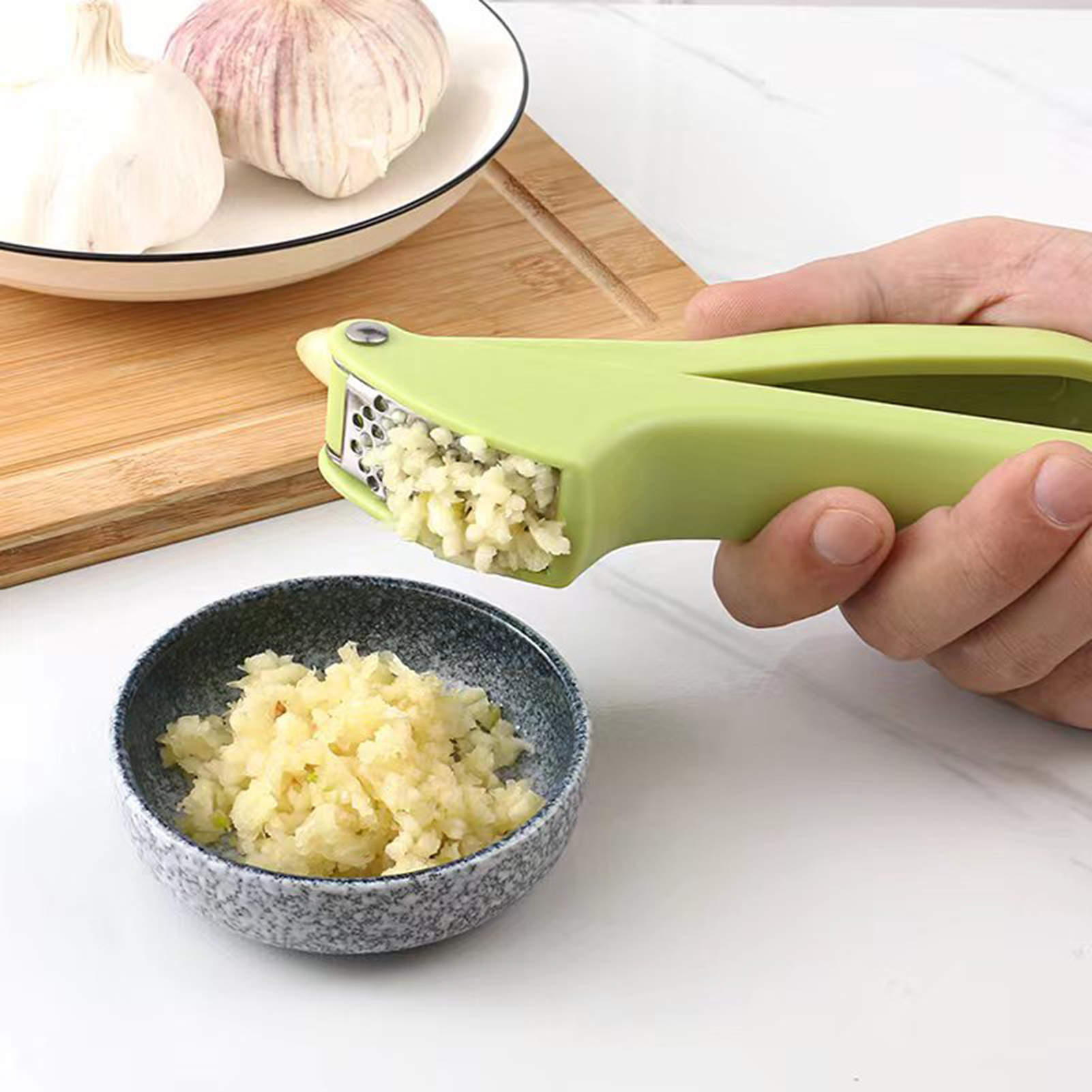
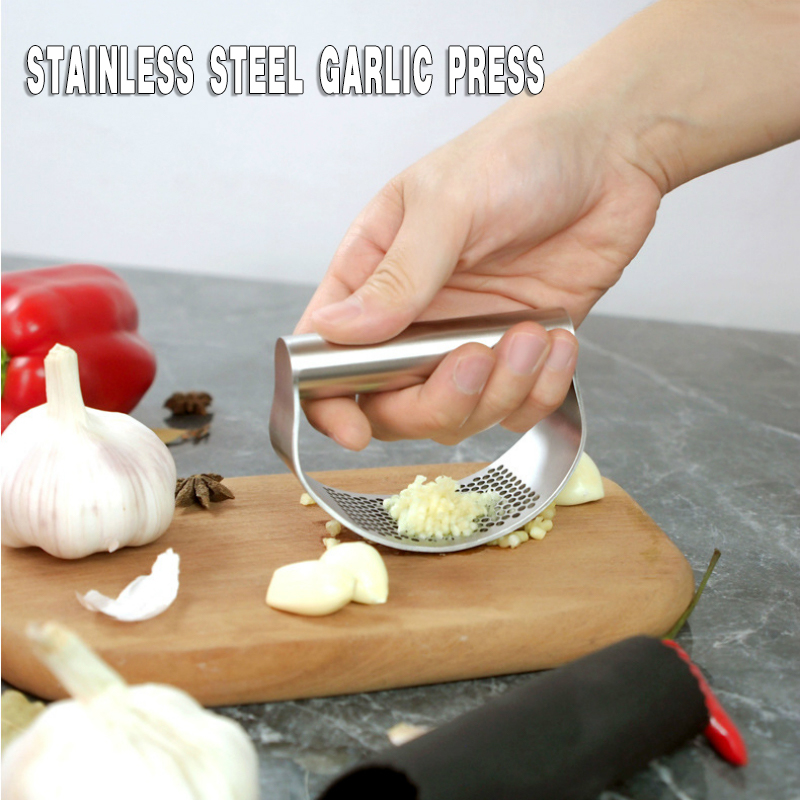
Yes, many garlic presses are dishwasher safe, but the answer depends on their materials and the manufacturer’s care instructions.
In American kitchens, a garlic press is a handy tool for making pasta sauce, garlic bread, marinades, soups, and weeknight dinners. After pressing a few cloves, however, tiny pieces of garlic can stick inside the holes and around the pressing plate. Cleaning this small tool can feel like more work than preparing the garlic itself.
The good news is that many modern garlic presses can go in the dishwasher. Stainless steel models and certain coated or die-cast metal presses are often designed for dishwasher cleaning. However, not every press can handle the heat, water, and detergent inside a dishwasher. Some aluminum models, wooden-handled presses, and tools with special coatings may need hand washing.
Before putting your garlic press in the dishwasher, check the care label, product manual, or manufacturer’s website. The material alone does not guarantee that a particular model is dishwasher safe. A few simple cleaning habits can also help prevent stuck garlic, stains, corrosion, and damage.
No, not all garlic presses are dishwasher safe. Some models are made to withstand dishwasher heat and detergent, while others can become stained, corroded, discolored, or damaged during repeated wash cycles.
The main difference is the material and construction. A simple stainless steel press may handle dishwasher cleaning well, but a similar-looking tool with aluminum parts, rubber grips, wood, or a special surface coating may have different care needs.
For example, OXO lists its stainless steel Good Grips Garlic Press as dishwasher safe. Its die-cast zinc model is also labeled dishwasher safe. Pampered Chef likewise lists its aluminum garlic press with a nonstick coating as dishwasher safe. These examples show why it is better to follow the exact product instructions than make a decision based only on appearance.
Other models have different rules. Salter identifies its Expert Garlic Press as not dishwasher safe, while Zyliss gives different cleaning guidance for different press models. Therefore, never assume that every press from one material category or brand has identical care requirements.
Source: m.media-amazon.com
Check the exact model
Look for a dishwasher-safe symbol or written cleaning instructions on the package, product page, or instruction booklet.
Look at every component
A removable basket, handle grip, cleaning tool, or decorative part may have different cleaning requirements from the main metal body.
Do not rely on appearance
Two presses may look almost identical but use different metals, coatings, or handle materials.
What Does Dishwasher Safe Actually Mean?
Dishwasher safe means the manufacturer has identified the product as suitable for cleaning in a dishwasher under its intended care conditions. It does not mean that every dishwasher cycle, detergent, or loading position is suitable.
A dishwasher exposes kitchen tools to hot water, detergent, strong water pressure, and a heated drying stage. These conditions can affect some metals, coatings, adhesives, and handle materials over time.
A dishwasher-safe label is the best starting point, but any extra instructions still matter. For example, a manufacturer may recommend separating removable parts or drying certain components before storage.
Manufacturer approval
The product maker has identified the tool as suitable for dishwasher cleaning.
Care conditions
The recommended cycle, placement, and handling instructions still apply.
How Different Garlic Press Materials Handle Dishwashers
The material is one of the most useful clues when deciding how to clean a garlic press. Stainless steel, aluminum, zinc, plastic, and wood react differently to moisture, heat, and cleaning products.
However, material is not the only factor. Surface treatments, mixed-material construction, joints, and handle attachments can change the cleaning instructions. Use the following comparison as a general guide, not as a replacement for the manufacturer’s directions.
Source: m.media-amazon.com
Stainless steel
Many stainless steel presses are dishwasher safe. Stainless steel resists corrosion better than many ordinary metals, but food residue, harsh cleaning conditions, and prolonged moisture can still affect its appearance.
Aluminum
Some aluminum presses are dishwasher safe, while others require hand washing. Dishwasher detergents can discolor or damage certain aluminum surfaces.
Die-cast zinc
Some die-cast zinc models are specifically approved for dishwasher use. Follow the model’s care instructions because coatings and construction can affect long-term performance.
Plastic
Dishwasher suitability depends on the type of plastic and its heat resistance. Check the product label and avoid assuming that every plastic component is suitable for hot dishwasher cycles.
Wood
Wooden handles generally need hand washing. Long exposure to heat and water can cause swelling, cracks, rough surfaces, or loose attachments.
Rubber and silicone
Some silicone and rubber parts are dishwasher safe, but attached grips may have different limits. Check the complete product instructions.
Are Stainless Steel Garlic Presses Dishwasher Safe?
Many stainless steel garlic presses are dishwasher safe. Stainless steel is popular for kitchen tools because it offers good resistance to rust and corrosion when properly made and maintained.
For example, OXO identifies its stainless steel Good Grips Garlic Press as dishwasher safe. Williams Sonoma also lists its 18/10 stainless steel garlic press as dishwasher safe. These are manufacturer-specific claims, not proof that every stainless steel press can go through a dishwasher.
After washing, inspect the pressing holes and joints for trapped food. Dry the tool if water remains in narrow spaces, even when the manufacturer permits dishwasher cleaning.
Best practice
Use the dishwasher when the exact model is approved, then check that the pressing chamber and hinge are clean and dry.
Watch for residue
Small garlic particles may remain in the holes even after a complete dishwasher cycle.
Can Aluminum Garlic Presses Go in the Dishwasher?
Some can, but aluminum presses need more careful attention. Certain dishwasher detergents can react with aluminum and cause dark spots, dullness, or discoloration. This is especially important for untreated or specially finished aluminum.
There are exceptions. Pampered Chef lists its aluminum garlic press with a nonstick, silicone-based coating as dishwasher safe. That instruction applies to its specified product, not to every aluminum press.
If the manufacturer recommends hand washing, use warm water and mild dish soap instead. Avoid harsh cleaners, abrasive pads, and long soaking periods unless the product instructions specifically allow them.
Check the coating
A coated aluminum press may have different care requirements from an uncoated aluminum tool.
Look for discoloration
Darkening or dull patches can indicate a reaction with cleaning products or surface wear.
How to Clean a Dishwasher-Safe Garlic Press
The best way to clean a dishwasher-safe garlic press is to remove loose garlic first, separate any removable parts, and load the tool according to the manufacturer’s instructions. This helps the dishwasher reach more of the surface and reduces the chance of trapped food.
Garlic contains moisture and natural oils. When crushed garlic sits inside tiny holes, it can dry and become harder to remove. Cleaning the press soon after cooking makes the job much easier.
You do not need a special cleaner for an ordinary dishwasher-safe press. Regular dishwasher detergent is generally suitable when the product maker permits it. Avoid adding extra cleaning chemicals or mixing household cleaners.
Source: m.media-amazon.com
Step 1: Remove leftover garlic
Open the handles and remove visible garlic pulp and skins. Use the press’s built-in cleaner or a soft kitchen brush if needed.
Step 2: Rinse the press
Hold the tool under running water to remove loose pieces. Pay attention to the small holes and the area around the hinge.
Step 3: Separate removable parts
Remove the basket, cleaning insert, or other detachable components only if the instructions allow it.
Step 4: Load it correctly
Place the press securely in the utensil basket or another suitable rack position. Keep it away from moving spray arms and avoid overcrowding.
Step 5: Select a suitable cycle
Use a dishwasher cycle allowed by the manufacturer. Do not choose a high-heat or sanitizing cycle unless the product instructions permit it.
Step 6: Inspect after washing
Check the pressing chamber, perforated plate, and hinge for remaining garlic. Rinse again if any food is still stuck.
Step 7: Dry before storage
Let the press dry fully. Wipe water from joints and narrow spaces before putting it away.
Where Should You Put a Garlic Press in the Dishwasher?
A garlic press should sit securely in a dishwasher rack where water can reach its surfaces. A utensil basket or suitable open rack space may work, depending on the size and shape of the tool.
Keep the press away from the spray arm so it cannot block water flow or interfere with moving parts. If it has a removable basket, position the pieces so they cannot fall through the rack.
Avoid placing a small cleaning attachment loosely in the dishwasher. It could move during the cycle or become difficult to find.
Allow water access
Do not place the press beneath large items that block the dishwasher spray.
Secure loose parts
Use a suitable utensil basket for small removable pieces.
Avoid overcrowding
Leave enough space for water and detergent to reach the press.
How Do You Know the Garlic Press Is Clean?
A clean garlic press should have no visible garlic pulp, skins, or food particles inside the pressing chamber. Look closely at the tiny holes because they can hold residue even when the outside looks clean.
Open and close the handles gently to check the hinge area. If the press has a removable plate, inspect the space behind it as well. There should be no stuck food or unpleasant odor.
Clear holes
The perforations should be free of visible garlic.
Clean hinge
The moving parts should not contain old food residue.
No unpleasant odor
The tool should not smell strongly of old garlic after cleaning and drying.
How to Hand Wash a Garlic Press That Is Not Dishwasher Safe
If your garlic press is not dishwasher safe, hand washing is the better choice. It gives you more control over water temperature, soap, and cleaning pressure while helping protect delicate finishes and attached handles.
Hand washing is also useful when you cannot confirm the manufacturer’s instructions. Rather than risk damaging an unknown coating or metal, use a gentle cleaning method until you find the correct care information.
You only need warm water, mild dish soap, and a soft brush or sponge. A small nylon cleaning brush can help remove garlic from narrow openings without scratching the surface.
Source: m.media-amazon.com
Step 1: Remove the garlic
Open the press and clear away leftover garlic pulp and skin. Use a built-in scraper if your model has one.
Step 2: Rinse with warm water
Rinse the tool soon after use to soften remaining garlic. Avoid very hot water if the handle or coating has temperature limits.
Step 3: Add mild dish soap
Apply a small amount of ordinary dish soap to a soft sponge or brush.
Step 4: Clean the holes
Brush gently across the perforated plate and around the edges. Do not force sharp objects through the holes.
Step 5: Clean the hinge
Open the handles and wash around the joint. Remove any food trapped in the moving parts.
Step 6: Rinse thoroughly
Wash away all soap and loosened food particles with clean running water.
Step 7: Dry completely
Use a clean towel to remove water. Leave the press open until all parts are dry.
What Should You Use to Remove Garlic From the Small Holes?
A soft nylon brush is one of the simplest tools for cleaning garlic residue from a press. Its small bristles can reach around the holes without the scratching risk associated with metal tools.
Some garlic presses include a matching cleaning attachment. These tools are designed to push leftover garlic out of the perforations. Use them as directed by the manufacturer.
If garlic has dried, soak the approved metal parts briefly in warm, soapy water. Do not soak wooden handles or parts that the manufacturer says must remain dry.
Soft toothbrush
Useful for reaching around the pressing plate and small corners.
Nylon cleaning brush
Helps remove pulp without using a sharp metal edge.
Built-in cleaning tool
Often provides a close fit for clearing the press’s perforations.
Should You Use a Knife or Toothpick?
Avoid using a sharp knife to scrape garlic out of the holes. It can scratch the finish, damage a coating, or cause an accidental cut.
A wooden toothpick may help with a small amount of residue in an accessible area, but it can break or become stuck. A soft brush or the press’s own cleaning tool is usually a better choice.
Never force a hard object through the perforations. The goal is to remove food, not widen or damage the holes.
Avoid sharp blades
They can damage the pressing surface and create a safety risk.
Use gentle pressure
Do not bend the perforated plate while removing stuck garlic.
Common Garlic Press Cleaning Problems and Their Solutions
Most garlic press cleaning problems come from dried food, trapped moisture, unsuitable cleaning products, or incorrect dishwasher use. Finding the cause helps you clean the tool without causing further damage.
Do not use stronger chemicals or more pressure as your first response. Start with a gentle rinse, inspect the affected area, and follow the care instructions for the material.
Source: zarte-schnitzel.de
Problem: Garlic is stuck in the holes
Run warm water over the pressing plate and use a soft brush or built-in cleaner. If the garlic has dried, soak the approved parts briefly before brushing.
Problem: The press has a strong garlic smell
Wash it again with mild dish soap, paying attention to the hinge and perforations. Rinse well and let it dry completely.
Problem: The metal looks dark or dull
Check whether the press is aluminum or has a special coating. Discoloration can result from detergent reactions or surface wear. Follow the manufacturer’s cleaning advice.
Problem: Rust-colored spots appear
Stop using harsh cleaning methods and inspect the affected area. Surface residue and actual corrosion can look similar. Clean gently, dry the press, and contact the manufacturer if corrosion remains.
Problem: The handle feels loose
Inspect the joint for damage or trapped residue. Do not force the handles together or continue using a press with a cracked or unstable connection.
Why Does Garlic Stick Inside a Garlic Press?
Garlic becomes difficult to remove when its moist pulp dries inside the small perforations. The pressure used during crushing can also push pulp tightly against the plate.
Unpeeled cloves may leave skin behind in the chamber. These skins can collect around the edges and make the press harder to clean.
The easiest way to prevent this problem is to rinse the press soon after use. If you are cooking several dishes, place the press under running water between uses rather than leaving it on the counter.
Clean it promptly
Fresh residue is easier to remove than dried garlic.
Remove the skins
Clear the chamber before starting another batch.
Inspect the perforations
Check both sides of the plate for hidden pieces.
Why Does a Garlic Press Develop Rust or Discoloration?
Rust or discoloration can develop when a press contains vulnerable metal parts, has a damaged surface finish, or remains wet for long periods. Even corrosion-resistant stainless steel can develop surface problems under unsuitable conditions.
Aluminum can develop dark or dull patches after contact with certain dishwasher detergents. This is not necessarily the same as rust, which refers to corrosion of iron-containing materials.
Do not assume that a discolored press is safe or unsafe based on appearance alone. Identify the material, check the care instructions, and contact the manufacturer if the surface is flaking, pitted, or deteriorating.
Dry narrow spaces
Pay attention to the hinge, handle joints, and removable basket.
Use approved detergent
Avoid cleaning products that conflict with the manufacturer’s instructions.
Inspect damaged finishes
Replace or seek manufacturer advice for a tool with significant corrosion or peeling material.
Common Mistakes to Avoid When Cleaning a Garlic Press
A garlic press is a small tool, but poor cleaning habits can shorten its useful life. The most common mistakes involve using the wrong dishwasher cycle, leaving food inside, and storing the tool while it is still wet.
A gentle approach is usually enough. You do not need strong chemicals, excessive heat, or aggressive scrubbing to remove ordinary garlic residue.
Source: m.media-amazon.com
Assuming every metal press is dishwasher safe
Different metals and surface treatments have different cleaning requirements. Check the exact model before loading it.
Leaving garlic inside overnight
Dried pulp can become difficult to remove and may create unpleasant odors. Rinse the press soon after cooking.
Using abrasive scrubbers
Steel wool and rough pads can scratch finishes and damage protective coatings.
Using harsh cleaning chemicals
Strong cleaners may damage metal finishes, coatings, or handles. Mild dish soap is usually enough for hand washing.
Ignoring removable parts
Garlic can collect behind removable plates and baskets. Clean these areas according to the instructions.
Putting the press away while wet
Trapped moisture can contribute to corrosion, odors, and residue buildup.
Forcing the handles open or closed
Excessive force can damage hinges and joints. Remove trapped food gently instead.
Can You Use a High-Heat Dishwasher Cycle?
Only use a high-heat or sanitizing cycle when the manufacturer permits it. A press may be dishwasher safe under normal conditions but still have restrictions on certain drying or temperature settings.
High heat can be especially unsuitable for wooden handles, some plastics, rubber attachments, and delicate coatings. It may also affect adhesives or attached components.
If the instructions simply say dishwasher safe without explaining cycle limits, follow the dishwasher and product manuals rather than assuming every available setting is suitable.
Check temperature limits
Look for any stated restrictions on heat or drying.
Protect mixed materials
Pay special attention to handles, grips, and attached cleaning tools.
Can You Leave a Garlic Press to Soak?
Brief soaking can help loosen dried garlic, but it is not suitable for every press. Metal parts that the manufacturer allows to soak can be placed in warm, soapy water for a short period.
Avoid soaking wooden handles, delicate attachments, or tools with unknown coatings. Long soaking also creates unnecessary exposure to moisture around joints and connections.
For a press that cannot be soaked, hold the perforated area under running water and brush it gently.
Use short soaking periods
Soak only approved components long enough to soften food residue.
Dry after cleaning
Remove moisture from all parts before storage.
How to Keep Your Garlic Press Clean and in Good Condition
Regular care helps a garlic press stay clean and work properly. You do not need a complicated maintenance routine. A quick rinse, suitable wash, and complete drying are enough for most models.
It also helps to inspect the tool from time to time. Look for loose joints, damaged coatings, bent perforations, and food buildup that ordinary washing does not remove.
If your press has a removable basket or cleaning plate, take advantage of that design. Removing approved components can make it easier to reach areas where garlic tends to collect.
Source: i5.walmartimages.com
Rinse after every use
Remove fresh garlic before it dries inside the pressing holes.
Use the correct cleaning method
Choose dishwasher cleaning or hand washing based on the manufacturer’s instructions.
Clean moving parts
Remove food around hinges and joints so the handles continue to move properly.
Dry before storage
Wipe the press and allow any remaining moisture to evaporate.
Store it in a dry place
Keep the tool in a clean kitchen drawer or utensil organizer away from standing water.
Check for damage
Look for corrosion, cracks, loose handles, or sharp damaged edges.
Should You Clean a Garlic Press Before Its First Use?
Yes. Wash a new garlic press before its first use to remove dust, packaging residue, and other material that may remain from manufacturing or storage.
Follow the care instructions supplied with the product. If it is dishwasher safe, you can use an approved dishwasher cycle. Otherwise, wash it by hand with warm water and mild dish soap.
Rinse thoroughly and dry the press before preparing food. Also check that any removable parts are correctly fitted before using the tool.
Inspect the packaging
Check for washing instructions and any special warnings.
Wash all food-contact parts
Clean the chamber, pressing plate, and removable components.
Check assembly
Make sure all removable parts are secure before use.
When Should You Replace a Garlic Press?
Replace a garlic press when it has significant corrosion, broken parts, a damaged food-contact surface, or a hinge that no longer works safely. A bent pressing plate can also make the tool difficult to clean and use.
Small cosmetic marks do not always mean a press needs replacement. However, peeling coatings, deep pits, sharp edges, and loose components deserve attention.
If you are unsure whether damage affects the food-contact surface, stop using the tool and ask the manufacturer for advice.
Broken handle
A cracked or loose handle may fail during pressing.
Severe corrosion
Deep corrosion or flaking material is a reason to stop using the tool.
Damaged pressing plate
Bent or broken holes can affect performance and make cleaning harder.
Dishwasher Cleaning vs. Hand Washing: Which Is Better?
Neither cleaning method is automatically better for every garlic press. The right choice depends on the product’s materials, care instructions, and how much garlic remains inside the tool.
A dishwasher can save time when the press is approved for machine washing. Hand washing gives you more control and can be more effective when you need to remove stubborn garlic from small holes.
For everyday use, a quick rinse followed by the recommended cleaning method is a practical routine. The most important factors are removing food residue and drying the press properly.
Source: down-ph.img.susercontent.com
Dishwasher cleaning
Convenient for approved models and useful when washing several kitchen tools together. It may not remove every piece of garlic from narrow openings.
Hand washing
Offers more control over delicate finishes and allows direct cleaning of the pressing holes. It requires more attention and a little manual effort.
Which Method Should You Choose?
Choose the dishwasher if your exact garlic press is labeled dishwasher safe and has no special restrictions. Remove visible garlic first and position the tool so water can reach its surfaces.
Choose hand washing if the manufacturer recommends it, if the press has delicate materials, or if you cannot verify its dishwasher compatibility. Hand washing is also useful for removing stubborn food before machine cleaning.
There is no need to put a dishwasher-safe press through a machine cycle after every use. A quick rinse and proper hand wash can also keep it clean.
For busy households
Use the dishwasher for approved presses when you are already running a suitable load.
For delicate presses
Choose hand washing when the manufacturer requires it.
For stubborn residue
Brush and rinse the holes directly before deciding whether machine washing is needed.
Frequently Asked Questions
Q
Can I put a stainless steel garlic press in the dishwasher?
Yes, many stainless steel garlic presses are dishwasher safe. Stainless steel is generally resistant to rust and corrosion, which makes it a common material for dishwasher-safe kitchen tools.
However, check the manufacturer’s instructions for your exact model. Some presses contain plastic grips, special coatings, or other parts that may have different cleaning requirements.
Q
Can a garlic press go in the dishwasher with garlic still inside?
It is better to remove loose garlic and skins before loading the press. A dishwasher may not remove all the pulp packed inside tiny holes or behind a pressing plate.
Rinse the tool under running water and use its built-in cleaner or a soft brush to remove visible food. This helps the dishwasher clean the remaining surfaces more effectively.
Q
Why does my dishwasher-safe garlic press look dull after washing?
Dullness can result from detergent residue, mineral deposits, surface wear, or a reaction between the detergent and the press material. Aluminum and some special finishes may be more sensitive to dishwasher conditions.
Check the manufacturer’s cleaning instructions and inspect the surface. Avoid abrasive cleaners, and contact the manufacturer if the finish is peeling, pitted, or badly discolored.
Q
Can I wash a garlic press in the dishwasher every day?
You can use the dishwasher regularly if the manufacturer approves it and you follow the recommended care instructions. There is no universal rule that limits a dishwasher-safe garlic press to occasional machine washing.
Still, rinse away garlic before loading it and dry the press after washing. Inspect the joints and pressing holes regularly to make sure food is not collecting in hidden areas.
Q
How do I remove dried garlic from a garlic press?
Rinse the press with warm water and use a soft nylon brush or its built-in cleaning tool to loosen the dried garlic. If the manufacturer allows soaking, briefly soak the appropriate parts in warm, soapy water.
Avoid sharp knives and excessive force. These can damage the pressing plate, scratch the surface, or cause injury.
Q
Should I dry my garlic press after taking it out of the dishwasher?
Yes, drying is a good habit, even for a dishwasher-safe garlic press. Water can remain around hinges, removable baskets, and narrow openings after a cycle.
Wipe the press with a clean towel and leave it open until completely dry. This helps reduce trapped moisture and keeps the tool ready for its next use.
Q
Are garlic presses with rubber handles dishwasher safe?
Some are, but rubber handles do not automatically make a garlic press dishwasher safe or unsafe. The type of rubber, attachment method, and heat resistance all matter.
Check the product instructions for the complete press. If the manufacturer does not approve dishwasher cleaning, wash it by hand with mild soap and warm water.
Q
Can I use dish soap to clean a garlic press?
Yes. Mild dish soap and warm water are suitable for hand washing most garlic presses, provided the manufacturer does not specify a different cleaning method.
Use a soft sponge or brush to clean the chamber and perforations. Rinse thoroughly to remove soap and garlic residue, then dry the tool before storage.
✦ Wrapping Up
Conclusion
So, are garlic presses dishwasher safe? Yes, many are, but not all. Stainless steel presses and certain die-cast metal or coated models can be dishwasher safe when their manufacturers approve machine washing. Other presses, especially those with sensitive finishes or wooden handles, may need hand cleaning.
The safest approach is to check the care instructions for your exact model before putting it in the dishwasher. Remove loose garlic, secure any removable parts, and use an approved cycle. If the instructions recommend hand washing, warm water, mild dish soap, and a soft brush will usually do the job.
A little care goes a long way. Rinse the press soon after cooking, clean the small holes, inspect the hinge, and dry the tool before storing it. These simple habits help keep your garlic press clean, useful, and ready for your next homemade meal.
💡 Key Takeaway
Before your next dishwasher cycle, check the garlic press manufacturer’s care instructions. If machine washing is approved, remove leftover garlic, load the press securely, and dry it fully after cleaning. If its dishwasher status is unknown, hand wash it with warm water and mild dish soap.