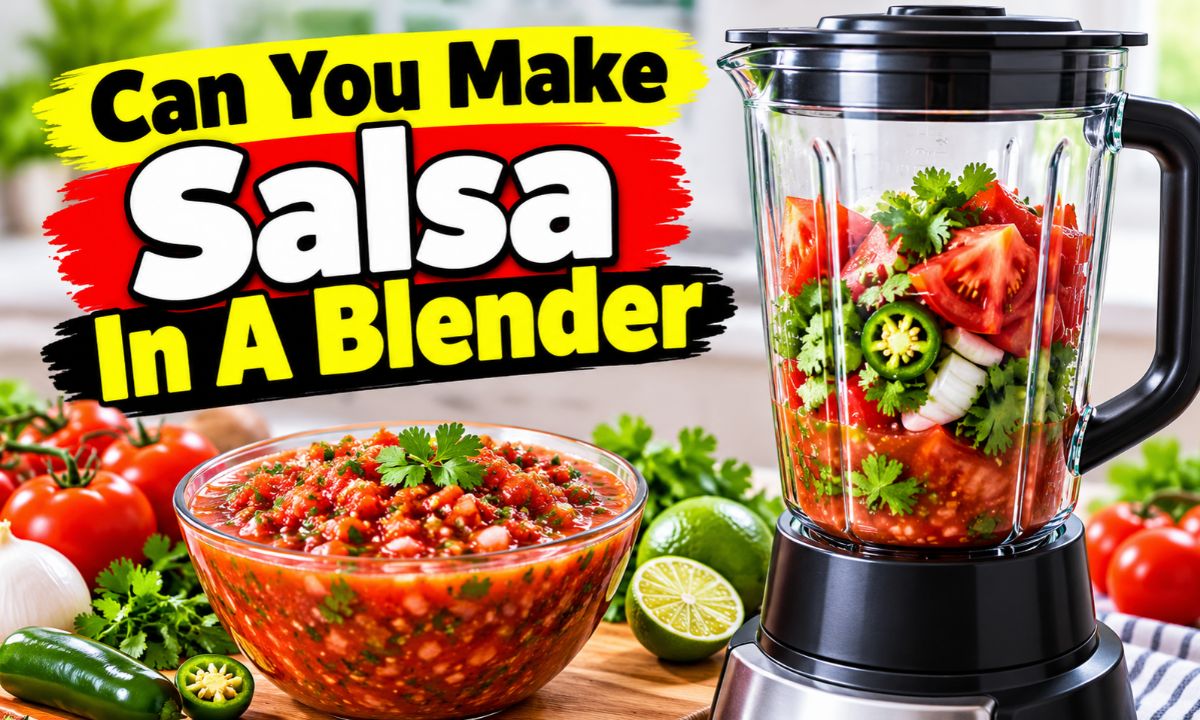
Yes, you can make fresh salsa in a blender by pulsing tomatoes, onion, peppers, cilantro, lime juice, and seasonings until you reach your preferred texture.
In American kitchens, salsa is a common dip for tortilla chips, tacos, burritos, grilled chicken, and other weeknight meals. You do not need a food processor or a special salsa maker to prepare it at home. A regular kitchen blender can turn fresh ingredients into a flavorful dip in just a few minutes.
The key is to control how long you blend. A few short pulses can leave small pieces of tomato and onion, while longer blending creates a smoother, restaurant-style salsa. The amount of liquid in your tomatoes, the type of pepper you use, and the order in which you add ingredients also affect the result.
A blender makes salsa by using fast-spinning blades to cut and mix vegetables, herbs, and other ingredients. As the blades move, they break the ingredients into smaller pieces and release some of their juice. The result can range from a coarse mixture to a thin, smooth sauce.
The main difference between blender salsa and hand-chopped salsa is texture. Hand chopping gives you direct control over the size of each piece, while a blender can turn the same ingredients into a smooth mixture very quickly. This makes a blender useful when you want salsa for chips, tacos, quesadillas, or cooked dishes.
A blender does not automatically make better salsa than a knife or food processor. It simply offers a convenient method, especially when you want a quick batch with an even texture. The best result depends on your ingredients, the amount you prepare, and how carefully you control the blades.
Source: shugarysweets.com
For chunky salsa
Use short pulses and stop as soon as the vegetables reach the size you want. Some larger pieces can remain even if the rest of the mixture is finely chopped.
For restaurant-style salsa
Blend for slightly longer until the tomatoes, onion, and peppers form a mostly even mixture. Stop before excess blending turns the salsa into a thin liquid.
For a smooth salsa sauce
Blend until the ingredients are evenly broken down, checking often to avoid adding too much air or making the sauce thinner than intended.
Can You Use Any Kitchen Blender?
Most standard countertop blenders can handle soft tomatoes, onion, cilantro, and peppers. A personal blender may also work, provided the ingredients fit within the manufacturer’s fill limits and the blades can circulate the mixture.
A powerful blender may break ingredients down faster, but high power is not required for a basic salsa recipe. If your blender struggles with a small batch, stop it, unplug it before adjusting the contents, and add a small amount of lime juice or tomato liquid if the recipe needs extra moisture.
Countertop blender
A practical choice for small or medium batches, especially when it has a pulse setting.
Personal blender
Useful for small servings, but check the capacity and instructions before blending.
Immersion blender
Can work in a suitable tall container, although it may be harder to achieve an even texture without splashing.
Ingredients for Easy Homemade Blender Salsa
A good basic salsa needs ripe tomatoes, onion, pepper, cilantro, lime juice, and salt. These ingredients provide the main balance of sweetness, sharpness, heat, freshness, and acidity. You can then add garlic, cumin, or other seasonings if you want a deeper flavor.
For a simple starting batch, use about 1 pound of ripe tomatoes, one-quarter of a medium onion, one small jalapeno, a small handful of fresh cilantro, 1 to 2 tablespoons of lime juice, and salt to taste. One small garlic clove is optional. These amounts are a practical starting point rather than a fixed formula, so adjust them to suit the tomatoes and your preferences.
Fresh tomatoes are a good choice for a bright, fresh salsa. Roma tomatoes often have a firmer texture and less watery flesh than very juicy slicing tomatoes, although either type can work. Canned diced tomatoes can also make a useful pantry version, especially when fresh tomatoes are out of season.
Source: tinascooking.com
Tomatoes
Provide the main body of the salsa. Choose ripe tomatoes with a fresh smell and no signs of spoilage.
Onion
Adds a sharp, savory flavor. White onion gives a crisp bite, while red onion offers a different color and taste.
Jalapeno
Adds heat. Start with a small piece if you are unsure how spicy you want the finished salsa.
Cilantro
Adds a fresh herbal note. Use less if its flavor is too strong for your taste.
Lime juice and salt
Help balance the tomato flavor. Add them gradually and taste before adding more.
Garlic and cumin
Offer optional savory notes. Use small amounts at first so they do not overpower the fresh vegetables.
Fresh Tomatoes or Canned Tomatoes?
Fresh tomatoes give salsa a bright flavor and can produce a slightly varied texture. Their water content changes with the variety and ripeness, so you may need to drain some juice before blending. If you use very ripe tomatoes, add them gradually and check the consistency early.
Canned tomatoes provide a convenient alternative when fresh tomatoes are unavailable or lack flavor. Choose plain canned tomatoes rather than a seasoned sauce if you want to control the salt, herbs, and spice yourself. Drain some of the liquid if you prefer a thicker dip, then add it back only as needed.
Choose fresh tomatoes when
You want a fresh flavor and can find ripe tomatoes with good texture.
Choose canned tomatoes when
You need a convenient pantry option or want a consistent base without peeling fresh tomatoes.
How to Make Salsa in a Blender Step by Step
Making salsa in a blender is simple, but the order of the steps matters. Prepare the vegetables first, blend in short bursts, and adjust the seasoning after the ingredients have mixed. This approach gives you more control over texture and flavor.
Before starting, make sure the blender jar, lid, and utensils are clean. Wash fresh produce under running water before cutting it, and use a clean cutting board and knife. Do not use soap or household cleaners directly on produce.
Source: www.kitchenaid.com
Step 1: Prepare the Ingredients
Wash the tomatoes, jalapeno, and cilantro under running water. Remove damaged parts, peel the onion, and cut the tomatoes and onion into pieces that fit easily into your blender jar. Large tomatoes may need to be quartered so the blades can reach them.
Remove the jalapeno stem and decide how much of the pepper to use. The seeds and inner membranes can carry a substantial amount of heat, so remove them if you want a milder salsa. Wash your hands after handling hot peppers and avoid touching your eyes.
Prepare the tomatoes
Cut them into quarters or smaller pieces. Drain excess juice if the tomatoes are especially watery.
Cut the onion
Use a small chunk rather than a whole onion for a modest batch. You can add more later if needed.
Prepare the pepper and herbs
Remove the stem, adjust the amount of jalapeno, and roughly chop the cilantro so it distributes more easily.
Step 2: Add the Ingredients to the Blender
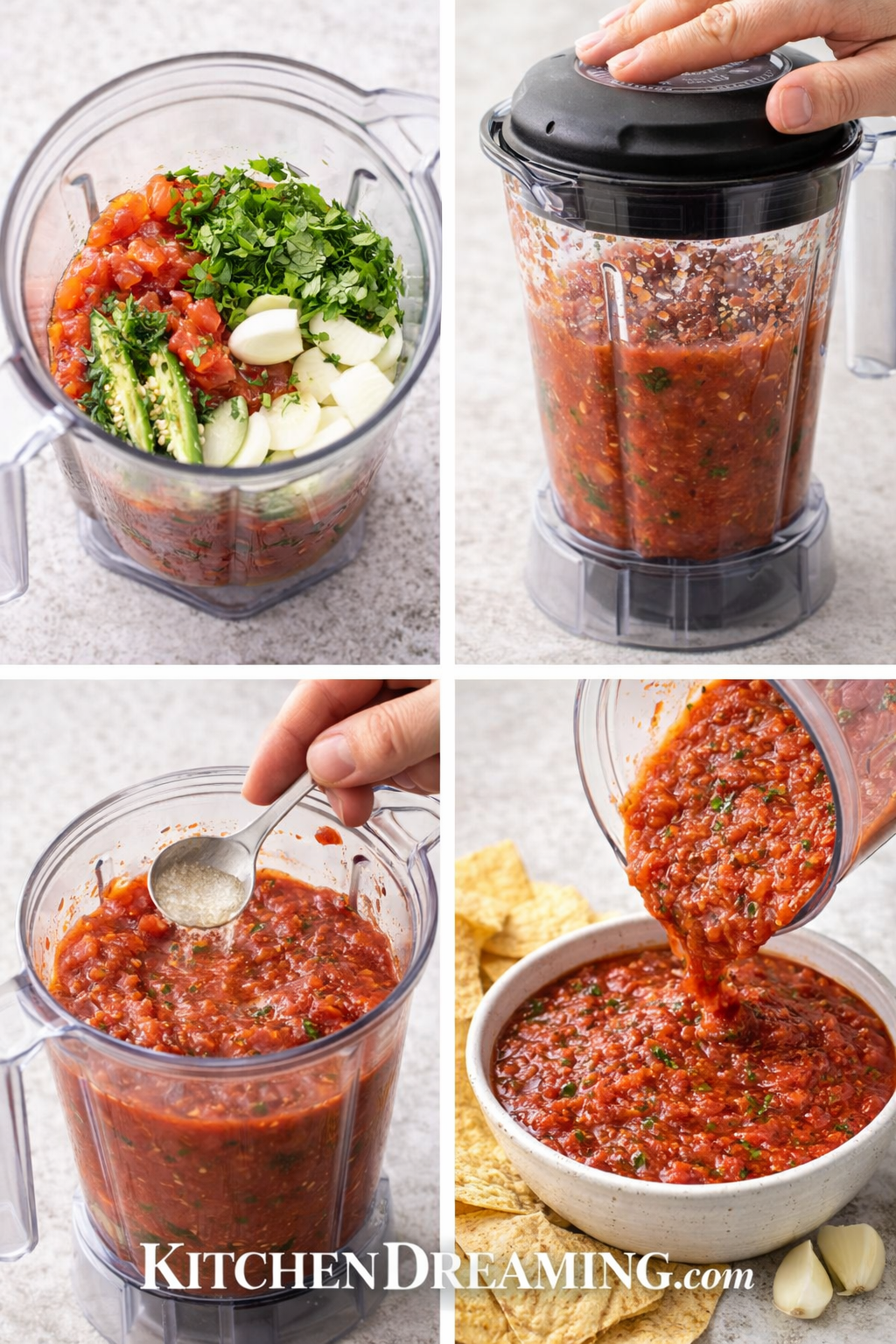
Place the tomatoes in the jar first, followed by the onion, jalapeno, cilantro, and optional garlic. Add the lime juice and a small amount of salt. Tomatoes release liquid as they break down, so you may not need to add water at all.
Avoid filling the blender beyond its marked limit. A smaller batch may blend more evenly than an overloaded jar. If your blender requires a minimum amount of liquid or has special instructions for soft foods, follow the manufacturer’s guidance.
Start with less pepper
You can add more heat after the first blend, but it is difficult to remove excess heat from the finished salsa.
Skip added water at first
Use the natural tomato juice to help the ingredients move. Add liquid only if the mixture needs it.
Step 3: Pulse Instead of Blending Continuously
Secure the lid and use the pulse setting in short bursts. If your blender has no pulse button, run it briefly at a low speed, stop, and check the mixture. Several short bursts give you more control than letting the motor run continuously.
For chunky salsa, stop while small pieces of tomato, onion, and pepper are still visible. For a smoother version, use a few more short bursts. Keep in mind that the mixture continues to release juice as the vegetables break down, so blending longer can make it thinner.
Check the texture often
Stop the blender between pulses and inspect the salsa through the jar. Never reach into a running blender.
Avoid overprocessing
If the salsa already looks slightly coarser than your ideal texture, stop and let it rest. The ingredients may settle and mix more evenly.
Step 4: Taste and Adjust the Flavor
Transfer a small amount to a clean spoon and taste it. Add a little more lime juice if the flavor seems flat, salt if the tomatoes taste dull, or cilantro if you want a fresher herbal note. If the salsa lacks heat, add a small amount of jalapeno and pulse again.
Make one change at a time. Too much lime juice can make the salsa sharp, too much salt can overpower the tomatoes, and too much pepper can make the dip unpleasantly hot. Small adjustments help you reach a balanced flavor without losing the taste of the vegetables.
Too bland
Try a small pinch of salt or a little lime juice, then taste again.
Too spicy
Mix in more tomato and a little onion or cilantro. Adding more ingredients can reduce the intensity, although it may increase the batch size.
Too sharp
Add a little more tomato to balance the lime or onion flavor rather than adding sugar automatically.
Step 5: Chill and Serve
Spoon the salsa into a clean container and refrigerate it if you are not serving it right away. A short rest in the refrigerator can help the flavors blend, although fresh salsa can be eaten as soon as it is ready. Taste once more before serving because cold temperatures can change how strongly you notice some flavors.
Serve the salsa with tortilla chips, tacos, grilled vegetables, eggs, rice bowls, or roasted chicken. Use a clean serving spoon and avoid returning a spoon that has touched someone’s mouth to the storage container.
For chips
A thicker salsa is usually easier to scoop without soaking the chips.
For tacos and burritos
A medium or smooth texture can spread more evenly over the filling.
For cooked dishes
A thinner salsa can work as a topping or cooking ingredient, depending on the recipe.
How Long Should You Blend Salsa?
There is no single blending time that works for every blender and recipe. The best stopping point depends on the amount of salsa, the size of the vegetable pieces, the power of the motor, and your preferred texture. Use the appearance of the salsa rather than a strict timer as your guide.
For many small batches, a few short pulses are enough to chop the ingredients. A smooth salsa may need several additional bursts. Treat these as starting points, not guaranteed times, because different machines process the same ingredients at different speeds.
Source: thediaryofarealhousewife.com
Chunky texture
Use brief pulses and stop when the ingredients are small but still distinct.
Medium texture
Pulse until most pieces are small, with a few visible bits of tomato and onion remaining.
Smooth texture
Blend in short intervals until the mixture looks even, stopping before it becomes more watery than you want.
What Should the Finished Salsa Look Like?
A chunky salsa should have visible pieces of tomato and onion with some liquid between them. A medium salsa should be easy to scoop but still show small bits of vegetables. A smooth salsa should have a mostly even appearance without large pieces, although seeds and tiny herb fragments may remain.
The color also depends on the ingredients. Fresh green cilantro, red tomatoes, and green jalapeno can create a bright red mixture with green flecks. If the salsa looks pale or foamy after extensive blending, it may have trapped air or become more finely processed than intended.
Good consistency
The salsa stays on a chip or spoon without immediately running off like juice.
Too much liquid
The tomato juice collects rapidly at the bottom and the chopped vegetables float in it.
How to Make Salsa Thicker or Less Watery
Watery salsa is one of the most common problems with a blender recipe. Tomatoes contain a great deal of water, and blending breaks their structure so that juice can escape. Extra lime juice, added water, or canned tomato liquid can make the mixture thinner still.
The easiest fix is to stop adding liquid and remove some of the excess. Pour the salsa through a fine-mesh strainer over a bowl, let the liquid drain briefly, and return the thicker portion to a clean container. Do not press too hard unless you want to remove even more juice.
If you want to correct the texture without straining, add more chopped tomato or a little finely chopped onion. You can also pulse in a small amount of tomato paste if its concentrated flavor suits the recipe, but use it sparingly because it changes the taste and color.
Source: 12tomatoes.com
Use firmer tomatoes
Roma tomatoes can be a practical choice when you want a thicker salsa, although their water content still varies.
Drain excess juice
Remove some of the liquid before blending or strain the salsa afterward.
Avoid extra water
Do not add water unless the blender genuinely needs help moving the ingredients.
Pulse less
Shorter blending can preserve larger pieces and reduce how much liquid the vegetables release.
Can You Fix Salsa That Is Already Too Thin?
Yes. Start by draining a little liquid through a strainer, then check the consistency. If the salsa still seems thin, fold in finely chopped tomato or onion instead of blending the whole mixture again.
Avoid adding flour or cornstarch to fresh salsa just to thicken it. These ingredients can change its flavor and texture, and they are not needed for a simple uncooked dip. If you want a cooked, thicker salsa, use a recipe designed for simmering and follow its specific instructions.
Best quick fix
Strain a small amount of liquid and stir the salsa gently.
Best texture-preserving fix
Add finely chopped fresh ingredients without running the mixture through the blender again.
How to Control Salsa Heat and Flavor
The heat of homemade salsa depends mainly on the pepper, how much you use, and the pepper’s natural variation. Jalapenos can differ in heat even when they look similar, so the same recipe may taste mild one day and much hotter the next. Start with less pepper than you think you need, then add more after tasting.
For a mild salsa, use a small amount of jalapeno with the seeds and inner membranes removed. For medium heat, add more pepper gradually. For a hotter salsa, include some of the inner membrane or use a hotter pepper, but make small changes so the heat does not overwhelm the tomatoes.
Flavor balance matters as much as heat. Tomatoes supply sweetness and acidity, onion adds sharpness, cilantro brings herbal notes, and lime juice adds tang. Salt can help bring these flavors into balance, but it should not dominate the mixture.
Source: flavorfusionstudio.com
For mild salsa
Use a small piece of jalapeno or leave it out. Add a little more tomato if you want extra volume without added heat.
For medium salsa
Begin with half a small jalapeno, blend, and taste before adding more.
For hot salsa
Increase the pepper in small amounts and use care when handling the seeds and inner membrane.
For more savory flavor
Try a small amount of garlic or cumin, then adjust after tasting.
Should You Add Sugar to Salsa?
Sugar is not necessary for a basic tomato salsa. If the mixture tastes too sharp, first check the balance of salt, lime juice, onion, and tomato. Adding more ripe tomato may soften the flavor without making the salsa sweet.
A tiny amount of sugar may suit a particular recipe, especially if the tomatoes are very acidic, but it should be an optional adjustment rather than a standard ingredient. Taste the salsa before adding it, and make sure you are correcting the flavor you actually notice.
Use lime carefully
Add it in small amounts because too much acidity can overpower the other ingredients.
Taste before seasoning again
Tomatoes and canned ingredients can already contain enough salt or acidity for your preferred result.
Common Blender Salsa Problems and How to Fix Them
Most blender salsa problems come from too much blending, too much liquid, or an imbalance in seasoning. The safest way to correct them is to stop the blender, assess the mixture, and make one small adjustment at a time. Always switch off and unplug the appliance before removing stuck ingredients or working near the blades.
Do not keep running a blender that smells burnt, makes an unusual grinding sound, or struggles to turn. Turn it off and follow the manufacturer’s troubleshooting instructions. A small recipe change is not worth risking damage to the appliance.
Source: simplejoy.com
The salsa is too watery
Drain excess liquid, add finely chopped vegetables, or use firmer tomatoes next time.
The salsa is too chunky
Secure the lid and pulse a few more times, checking after each burst.
The salsa is too smooth
Stir in finely chopped tomato, onion, or cilantro to restore some texture.
The salsa tastes bland
Try a small amount of salt or lime juice and taste again.
The salsa is too spicy
Add more tomato and other mild ingredients. This increases the batch size but can reduce the heat per serving.
The blender blades are not moving the ingredients
Turn off and unplug the blender. Reduce the batch or follow the manual’s guidance for adding liquid and repositioning ingredients.
Why Does Blender Salsa Become Foamy?
Blending can trap air in the salsa, especially when the mixture runs at high speed for a long time. The foam may settle after the salsa rests, so give it a short break before deciding that the texture needs another adjustment.
If the salsa looks very frothy, stop blending and let it sit in the refrigerator in a covered container. Next time, use short pulses and avoid running the blender longer than needed. A small amount of surface foam does not automatically mean the salsa has spoiled.
Let the mixture rest
Give trapped air time to rise and settle before serving.
Use lower speed or pulses
Reduce unnecessary blending to help limit foam and preserve texture.
Blender Salsa vs. Food Processor vs. Hand-Chopped Salsa
A blender is convenient when you want a smooth or medium-textured salsa with little preparation. A food processor can offer more control over chopping, while a knife gives you the most direct control over the size and shape of each piece. None of these methods is required for every recipe.
The right tool depends on how you plan to serve the salsa. For a thin sauce that coats tacos or burritos, a blender may be the simplest option. For a chunky dip with distinct tomato pieces, hand chopping or careful food processing may be easier.
Source: wonderlearning.blog
Blender
Best suited to smooth and restaurant-style salsa. Short pulses help prevent the mixture from becoming watery.
Food processor
Useful for chopping vegetables while retaining some texture, depending on the blade and processing time.
Knife and cutting board
A strong choice for chunky salsa when you want visible pieces and direct control over each ingredient.
Which Method Should You Choose?
Choose a blender if speed and a consistent sauce-like texture matter most. Choose a food processor if you want to chop a larger batch and have a pulse setting that gives you control. Choose hand chopping if you prefer a rustic dip with distinct pieces of tomato, onion, and pepper.
You can also combine methods. Blend part of the tomatoes with the seasonings, then stir in finely chopped onion or tomato by hand. This creates a cohesive base while preserving some of the fresh, chunky texture.
For tortilla chips
A medium or chunky texture often makes scooping easier and helps keep the chips crisp.
For tacos
A medium or smooth salsa can spread more evenly across the filling.
For a rustic side
Hand chopping keeps the ingredients distinct and gives the salsa a less uniform appearance.
How to Store Homemade Blender Salsa Safely
Fresh homemade salsa contains cut vegetables and usually has no validated preservation process. Treat it as a perishable food, refrigerate it promptly, and do not assume that lime juice makes it shelf-stable. Homemade fresh salsa is not the same as commercially processed salsa in a sealed jar.
Place leftover salsa in a clean, covered container and refrigerate it at 40 degrees Fahrenheit or below. Do not leave it at room temperature for more than two hours, or more than one hour when the temperature is above 90 degrees Fahrenheit. These limits are especially relevant at outdoor cookouts, picnics, and summer gatherings.
For the best quality, use fresh salsa within a few days and follow applicable food-safety guidance. Discard it if it develops mold, an unusual odor, or other signs of spoilage. Do not taste food to decide whether it is safe when you suspect it has been stored improperly.
Source: kitchendreaming.com
Use a clean container
Store salsa in a covered food-safe container and avoid contamination from used serving utensils.
Keep it cold
Refrigerate leftovers promptly and keep the refrigerator at 40 degrees Fahrenheit or below.
Avoid extended room-temperature storage
Follow the two-hour limit for ordinary room temperatures and the one-hour limit above 90 degrees Fahrenheit.
Do not treat fresh salsa as canned salsa
A homemade blender recipe has not been processed for shelf stability. Use a tested canning recipe if your goal is long-term pantry storage.
Can You Freeze Blender Salsa?
You can freeze many tomato-based salsa mixtures, but freezing may change their texture. Tomatoes release liquid as they thaw, and cilantro and onion may lose some of their crispness. The thawed salsa may work better as a cooking sauce than as a fresh dip for chips.
If you decide to freeze it, place the salsa in a suitable freezer-safe container and leave room for expansion. Thaw it in the refrigerator rather than on the counter, stir it well, and drain excess liquid if needed. Freezing does not correct unsafe handling before the salsa went into the freezer.
Best use after freezing
Use thawed salsa in cooked dishes, soups, or sauces when a softer texture is acceptable.
For fresh chip dipping
A newly prepared batch will usually provide a firmer texture than a thawed one.
Easy Variations to Try
Once you understand the basic method, you can change the flavor without learning a new technique. Keep the tomato base and adjust the herbs, peppers, or other ingredients to suit the meal. Add one new ingredient at a time so you can tell what it changes.
These variations are starting points rather than fixed recipes. Ingredient size, tomato moisture, and pepper heat can all change the result, so taste the salsa before serving.
Source: simplejoy.com
Roasted tomato salsa
Roast tomatoes, onion, garlic, and peppers until softened and lightly browned, then cool them before blending. Roasting adds a deeper flavor and can change the amount of liquid in the final salsa.
Mild family salsa
Use less jalapeno or omit it, then add a little more tomato and cilantro to maintain a fresh flavor.
Garlic salsa
Add a small garlic clove and blend briefly. Raw garlic can become strong, so start with less than you think you need.
Tomatillo salsa
Replace the tomatoes with tomatillos for a different, tangier green salsa. Remove the papery husks and wash the sticky surface before preparing them.
Fruit salsa
Combine a small amount of mango or pineapple with tomato, lime, cilantro, and pepper for a sweet and savory variation. Use brief pulses to keep some fruit pieces intact.
Can You Make Salsa Without Cilantro?
Yes. Cilantro is optional, and some people prefer salsa without it. You can leave it out or use a small amount of another fresh herb that suits the recipe, keeping in mind that parsley does not taste exactly like cilantro.
If the salsa seems less fresh without cilantro, adjust the lime juice and onion gradually. Taste after each change instead of adding several new ingredients at once.
Leave the herb out
The tomatoes, onion, pepper, lime, and salt can still provide a balanced salsa.
Use another herb sparingly
Try a little parsley if you want green color and a fresh herbal note, but expect a different flavor.
Frequently Asked Questions
Q
Can You Make Salsa In A Blender Without Water?
Yes. Fresh tomatoes usually release enough liquid to help the ingredients move through the blades. Start without water, pulse briefly, and check the mixture. If the blender cannot circulate the ingredients, stop it and follow the manufacturer’s instructions before adding a small amount of liquid.
Q
Can You Make Chunky Salsa in a Blender?
Yes. Use the pulse setting in short bursts and stop while the tomato, onion, and pepper pieces are still visible. You can also blend the tomatoes and seasonings first, then stir in finely chopped vegetables by hand for more control over the final texture.
Q
Do You Need to Peel Tomatoes Before Blending Salsa?
No. You can usually blend fresh tomatoes with their skins on for ordinary fresh salsa. The blender breaks the skins into small pieces, although some may remain noticeable depending on the machine and the texture you choose. Peeling is optional unless your particular recipe calls for it.
Q
Is a Blender Better Than a Food Processor for Salsa?
Neither appliance is always better. A blender is useful for smooth or restaurant-style salsa, while a food processor can make it easier to retain a chopped texture. For a rustic salsa with clearly defined pieces, a knife and cutting board are also effective.
Q
Why Does My Blender Salsa Taste Bitter?
Bitterness may come from an ingredient or an imbalance in the recipe. Too much raw garlic, a large amount of certain herbs, or an unsuitable pepper can affect the taste. Start with small amounts of strong ingredients, use fresh produce, and taste as you adjust the recipe.
Q
How Long Does Homemade Blender Salsa Last in the Refrigerator?
For quality, plan to use fresh homemade salsa within a few days and keep it refrigerated at 40 degrees Fahrenheit or below. The exact safe storage time can depend on preparation and handling. Refrigerate it promptly, use clean utensils, and discard salsa that has been left out too long or shows signs of spoilage.
Q
Can You Make Salsa in a Blender With Canned Tomatoes?
Yes. Plain canned tomatoes work well when fresh tomatoes are not available or are out of season. Drain some of the liquid first if you want a thicker salsa, then blend the tomatoes with onion, pepper, cilantro, lime juice, and seasonings. Check the label because canned products may already contain salt.
✦ Wrapping Up
Conclusion
You can make fresh, flavorful salsa in a blender without buying a special appliance. Tomatoes, onion, jalapeno, cilantro, lime juice, and salt provide a flexible base that you can adjust for heat, flavor, and texture. The most important technique is to blend in short bursts and stop as soon as the salsa looks the way you want.
If your first batch turns out watery, strain some liquid or use firmer tomatoes next time. If it tastes bland, adjust the salt and lime juice a little at a time. Once you find a balance you enjoy, you can make the same basic recipe for tortilla chips, tacos, burritos, and many other meals.
💡 Key Takeaway
Start with about 1 pound of tomatoes, one-quarter of an onion, one small jalapeno, a handful of cilantro, 1 to 2 tablespoons of lime juice, and salt to taste. Pulse briefly, check the texture, adjust the seasoning, and refrigerate any leftovers promptly.