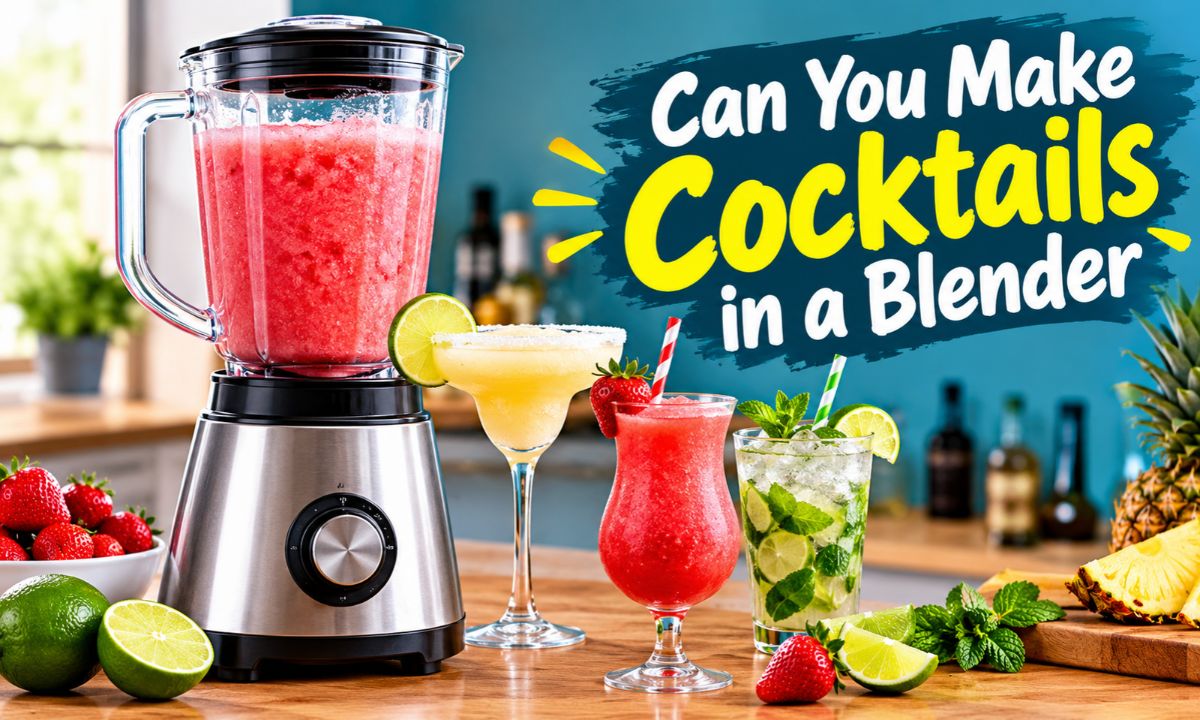
Yes, you can make cocktails in a blender. It works especially well for frozen margaritas, daiquiris, piña coladas, and other drinks that use ice or frozen fruit.
At a summer cookout in Texas, a backyard barbecue in California, or a game-day party at home, a cold blended cocktail can be a welcome treat. You do not need a professional bar setup to make one. A regular kitchen blender can mix spirits, fruit, juice, and ice into a smooth drink, as long as you use the right ingredients and follow the blender maker’s instructions.
A blender does more than stir a drink. Its fast-moving blades break up ice and fruit, creating a thick texture that a spoon or cocktail shaker cannot produce. This makes it useful for frozen drinks, creamy cocktails, and fruit-based mixes. However, not every cocktail needs blending. Drinks meant to stay clear, fizzy, or gently mixed are often better when stirred or shaken.
Blenders work best for cocktails that benefit from crushed ice, frozen fruit, or a thick and even texture. These include frozen margaritas, strawberry daiquiris, piña coladas, and other drinks served icy cold. A blender can also combine ingredients that are difficult to mix evenly by hand, such as fruit pulp and creamy ingredients.
The key is to match the method to the drink. A frozen cocktail needs enough liquid to help the blades move through the ice. A creamy cocktail needs ingredients that blend well together. A classic martini, on the other hand, usually does not need a blender because its appeal comes from its clear appearance and controlled dilution.
Source: cookingchew.com
Frozen cocktails
Margaritas, daiquiris, and frozen fruit cocktails are natural choices because blending breaks ice into small pieces and distributes the flavor throughout the drink.
Creamy cocktails
Drinks made with coconut cream, milk, or other suitable creamy ingredients can become smooth and uniform when blended. Add dairy products carefully if the recipe includes acidic juice, since some mixtures may curdle.
Fresh fruit cocktails
Strawberries, watermelon, mango, and similar fruits can add flavor and body. Remove seeds, tough skins, and pits when needed, and strain the mixture if you want a smoother result.
Simple spirit-based drinks
A blender can combine some spirits, juices, and syrups, but a shaker or spoon is usually easier when the drink does not need ice to be crushed or fruit to be processed.
Cocktails That Usually Do Not Need a Blender
A blender is not the best tool for every mixed drink. A gin martini, Manhattan, or Old Fashioned is normally stirred or prepared using its established mixing method. Blending may add unwanted air, break up ice too much, or change the drink’s intended appearance and texture.
Carbonated cocktails
Drinks containing club soda, tonic water, sparkling wine, or another fizzy ingredient should generally be mixed without blending the carbonated liquid. Add it after the other ingredients are prepared.
Clear stirred cocktails
Use a mixing glass or spoon when the goal is a clear drink with controlled chilling and dilution.
What You Need Before Making Blender Cocktails
You can make many blended cocktails with a standard kitchen blender, a measuring tool, and a few basic ingredients. A dedicated cocktail machine is not essential. What matters most is that your blender can safely handle the ingredients and that the jar has enough room for the batch.
Check the appliance manual before adding ice or frozen fruit. Some personal blenders are designed for specific cup sizes or ingredient types, and some models have limits on crushing ice. Do not assume that a blender is suitable for hard frozen ingredients just because it can mix soft fruit.
Source: blenderjunkie.com
A suitable blender
Choose a model whose manual allows the ingredients and blending method you plan to use. Inspect the jar, lid, and blade assembly for damage before starting.
A measuring cup or jigger
Measure spirits, juice, and syrups rather than pouring by guesswork. This makes it easier to repeat a recipe and keep servings consistent.
Ice or frozen fruit
Use the form specified by your recipe and blender manual. Smaller ice cubes or precrushed ice may be more suitable for some appliances than large, solid cubes.
Fresh citrus and other mixers
Lime juice, lemon juice, fruit juice, and simple syrup help balance the drink. Fresh fruit can provide flavor and body without relying entirely on sweetened mixers.
Serving glasses and a spatula
Prepare your glasses before blending. Use a suitable spatula only after the blender is switched off, unplugged when appropriate, and the blades have stopped.
Can a Regular Kitchen Blender Crush Ice?
Some kitchen blenders can crush ice, while others are not designed for it. Check the manufacturer’s instructions for the exact model rather than relying on motor power or appearance alone. Using an unsuitable blender with hard ice can strain the motor, damage the jar, or produce uneven results.
If your manual allows ice crushing, follow its recommended batch size and speed settings. If it does not, use a permitted alternative such as chilled liquid and approved crushed ice, or choose a different preparation method.
Follow the manual
Use only approved ingredients, attachments, and operating settings.
Avoid overfilling
Leave the required headspace so ingredients can circulate without spilling or pressing against the lid.
Stop if the motor struggles
Switch the blender off if the blades stall, the appliance overheats, or an unusual smell develops. Unplug it when safe and follow the troubleshooting instructions.
How to Make Cocktails in a Blender Step by Step
The easiest way to make a blended cocktail is to measure the ingredients, add them in a sensible order, and blend only until the texture is right. Starting with enough liquid helps the blades move, while adding ice in a controlled amount helps prevent a watery or overly thick drink.
Use the recipe as your guide because the correct order and proportions vary by drink. The steps below work as a general method for many frozen cocktails, provided the blender manufacturer permits the ingredients.
Source: www.youtube.com
Step 1: Prepare the Ingredients
Wash fresh fruit and remove pits, tough stems, and any parts that should not go into the drink. Juice citrus fruit and measure the spirits, mixers, and sweeteners before adding anything to the jar. This preparation makes blending faster and reduces the chance of forgetting an ingredient.
Chill what you can
Cold juice and chilled spirits can help keep a frozen drink cold, though the recipe may call for room-temperature ingredients.
Cut large fruit pieces
Cut fruit into pieces suitable for your blender. Do not put whole pits, large hard seeds, or other unsuitable items into the jar.
Step 2: Add the Liquid Ingredients
Add the measured spirits, juice, and other liquid ingredients according to the recipe. A base of liquid gives the blades something to circulate and can help prevent solid ingredients from sitting above them. Avoid pouring beyond the blender’s marked capacity.
Measure carefully
Use the stated amount of each ingredient, especially alcohol and sweeteners. Small changes can affect both flavor and strength.
Keep fizzy mixers aside
Reserve club soda, tonic water, sparkling wine, and other carbonated ingredients until after blending.
Step 3: Add Fruit and Approved Ice
Add the prepared fruit and the amount of ice specified by your recipe. If your blender manual recommends a particular loading order, follow it. Avoid packing the jar so tightly that the blades cannot move ingredients through the liquid.
Begin with a manageable batch
A small batch is easier to assess and adjust than a full pitcher. Increase the quantity only if the blender’s capacity allows it.
Do not force ingredients downward
Never push fruit or ice toward moving blades with a spoon, spatula, or hand.
Step 4: Blend Until the Texture Looks Right
Secure the lid, then use the speed or ice-crushing program recommended by the manufacturer. If the appliance supports variable speed, a brief low-speed start may help combine the liquid and fruit before the mixture becomes thicker. Continue only as long as needed to reach the texture you want.
For a slushy texture
Stop when the mixture contains fine ice crystals and moves smoothly enough to pour.
For a smoother drink
Continue in short intervals if the manual permits, checking the texture between cycles.
If the blades stop moving
Switch off the blender before checking the mixture. If the recipe permits, add a small amount of liquid or reduce the batch after the blades have stopped.
Step 5: Taste and Adjust
Once the mixture is blended, taste a small amount with a clean spoon. If it tastes too sharp, a little sweetener may help. If it tastes too sweet, a measured splash of citrus juice may improve the balance, depending on the recipe.
Too thick
Add a small amount of a compatible liquid, then blend briefly.
Too thin
If your blender permits it, add a little more approved ice or frozen fruit and blend again. Avoid adding large amounts at once.
Too sweet or sour
Adjust gradually with a compatible ingredient rather than trying to correct the whole batch with one large pour.
Step 6: Serve Right Away
Pour the finished drink into prepared glasses as soon as possible. Frozen cocktails can melt and separate while they sit, especially in a warm room. Add any reserved carbonated mixer, garnish, or final topping just before serving.
Use suitable glasses
Choose glasses with enough room for the drink and any garnish without filling them to the rim.
Keep leftovers cold
Refrigerate leftovers promptly in a covered container. The texture may change as the ice melts, so stir or reblend only if appropriate and safe for the ingredients.
Easy Blender Cocktail Recipes to Try at Home
A few basic recipes can help you learn how liquid, ice, fruit, and sweetener work together. The quantities below are starting points for one serving, not laboratory-tested formulas. Adjust them to your taste, keep the batch within your blender’s limits, and use only ingredients the appliance can handle.
The alcohol content of a finished drink depends on the spirit’s strength, the amount used, and the number of servings. Blending does not remove the alcohol. Ice and other ingredients change the drink’s volume and concentration, but they do not make the alcohol disappear.
Source: www.nutribullet.com
Frozen Lime Margarita
For a simple frozen margarita, combine 1.5 ounces of tequila, 1 ounce of orange liqueur, 1 ounce of fresh lime juice, and about 1 cup of ice, provided your blender is rated for that amount of ice. Add a small amount of simple syrup if you prefer a sweeter drink. Blend until the mixture is evenly slushy, then pour into a glass.
For a stronger lime flavor
Add a little more lime juice and taste again before adjusting the sweetener.
For a less icy texture
Use a suitable balance of liquid and ice instead of adding more ice by default.
Strawberry Daiquiri
Add 1.5 ounces of white rum, 1 ounce of lime juice, about 1 cup of strawberries, 1 to 2 teaspoons of simple syrup, and a modest amount of approved ice. Blend until smooth. If you use frozen strawberries, start with less ice because the fruit already brings a cold, firm texture.
Use ripe fruit
Ripe strawberries usually provide more flavor and sweetness than pale, unripe berries.
Strain if desired
If seeds or pulp bother you, strain the finished drink through a suitable fine strainer.
Piña Colada
For a basic piña colada, blend 1.5 ounces of white rum, about 2 ounces of pineapple juice, 1 ounce of coconut cream, and an amount of ice suited to your blender and preferred texture. Blend until creamy and smooth. If you use sweetened cream of coconut instead of unsweetened coconut cream, the drink may need less added sweetener.
Check the coconut product
Coconut cream and cream of coconut are not the same product. One is often unsweetened, while the other is usually sweetened for drinks and desserts.
Adjust the thickness
Add a little pineapple juice if the mixture is too thick, or a small amount of approved ice if it needs a colder, thicker finish.
Watermelon Rum Slush
Combine 1.5 ounces of white rum, about 1 cup of seedless watermelon cubes, 1 to 2 teaspoons of lime juice, and a small amount of ice if needed. Blend until smooth. Watermelon contains a lot of water, so a drink made with fresh watermelon may be thinner than one made with frozen fruit.
Freeze the fruit ahead
Frozen watermelon can provide a colder, thicker result, but use it only if your blender manual permits frozen fruit.
Taste before sweetening
Very ripe watermelon may need little or no added syrup.
How to Get the Right Cocktail Texture
The texture of a blended cocktail depends on the amount of liquid, the amount and type of ice, the fruit’s water content, and how long the ingredients blend. Too much ice can make a drink hard to pour, while too much liquid can turn a frozen cocktail into a thin, watery mix. The best approach is to begin with the recipe’s proportions and make small adjustments.
A blender does not create the same texture in every batch. Fresh fruit varies in ripeness and water content, and frozen ingredients may differ in size and firmness. Treat the recipe as a starting point, then adjust based on what you see and taste.
Source: www.thedailymeal.com
For a thick frozen drink
Use a suitable balance of liquid and ice or frozen fruit. Add more approved frozen ingredients only when the blender can process them safely.
For a smooth fruit drink
Cut the fruit into suitable pieces and blend only until the pulp reaches the desired consistency. Strain afterward if a finer texture is needed.
For a creamy finish
Use the type of cream or coconut ingredient specified in the recipe. Add it in measured amounts to avoid making the drink too rich or too thick.
For a balanced flavor
Taste for sweetness, acidity, and fruit flavor. Adjust one ingredient at a time so you can tell which change helped.
Should You Use Ice or Frozen Fruit?
Ice is useful when you want a classic icy texture without adding much fruit flavor. Frozen fruit adds flavor and body while also cooling the drink. It can reduce the need for extra ice, but it may produce a thicker mixture that needs more liquid to circulate.
You can also combine both, as long as the recipe and blender manual allow it. If you want a strong fruit taste, frozen fruit may be a better starting point than adding more ice. If you want a traditional lime-forward frozen margarita, ice is often a more direct choice.
Choose ice
Use it for a clean, icy texture in drinks such as frozen margaritas, where the fruit flavor does not need to dominate.
Choose frozen fruit
Use it for berry, mango, peach, and watermelon drinks that benefit from extra fruit flavor.
Combine them carefully
Start with less ice when using a large amount of frozen fruit, then adjust after checking the texture.
Common Blender Cocktail Problems and Fixes
Most blending problems come from the ingredient ratio, the size of the batch, or a mismatch between the recipe and the appliance. Check the simplest causes first, and never try to fix a stalled blender while its blades are moving. If the appliance makes unusual noises, smells hot, leaks, or shows signs of damage, stop using it and follow the manufacturer’s guidance.
Source: storage.googleapis.com
The drink is too watery
The ice may have melted, or the recipe may contain too much liquid. Use colder ingredients, serve promptly, and make small changes to the ice-to-liquid ratio next time.
The drink is too thick
Add a small splash of a compatible liquid and blend briefly. Do not pour in a large amount at once, since the texture can change quickly.
The blades are spinning without mixing
The ingredients may be trapped above the blades or the mixture may be too dense. Turn off the blender and wait for the blades to stop before checking the contents.
Ice pieces remain
The batch may contain too much ice, the pieces may be too large, or the blender may not be suited to crushing them. Follow the manual and adjust the method rather than forcing the motor.
The drink tastes too sweet
Use less syrup, sweetened mixer, or cream of coconut in the next batch. A measured amount of citrus juice may help balance a finished drink if it suits the recipe.
The drink tastes too strong
A strong alcohol flavor can result from the recipe’s spirit-to-mixer ratio. Add a compatible mixer in small amounts, or prepare a new batch with measured proportions.
The blender leaks
Switch it off and unplug it when safe. Check the jar, lid, seals, and assembly according to the manual, and do not continue using a damaged or leaking appliance.
Why Does a Blended Cocktail Separate?
A blended cocktail may separate as it stands because fruit pulp, liquid, ice, and creamy ingredients do not always stay evenly mixed. Melting ice can also change the balance between the liquid and the solids. This does not automatically mean the drink has spoiled, but it can change the taste and texture.
Serve frozen cocktails promptly for the most even consistency. If a drink contains dairy, fresh juice, or another perishable ingredient, keep it cold and follow safe food-handling practices. Do not keep a cocktail at room temperature for long periods just because it contains alcohol.
For simple separation
Stir gently if the drink is still cold and the ingredients remain suitable for serving.
For a melted frozen drink
Reassess the texture and use a safe, suitable preparation method if you want to restore its slushy consistency.
Blender Safety and Alcohol Serving Tips
Safe cocktail preparation starts with the appliance and continues through serving. Keep the blender on a stable, dry surface, secure the lid, and follow the manual for ice, frozen fruit, and liquid capacity. Never put a hand or utensil into the jar while the blades are moving, and do not remove the lid until the blades have stopped.
Alcohol also needs care. A frozen texture can make a drink feel like a dessert, but it does not remove the alcohol or guarantee that the drink is weak. Measure the spirits, identify the number of servings in a batch, and tell guests what the drink contains.
Source: punchdrink.com
Measure alcohol
Use a jigger or measuring cup instead of free-pouring. The amount of spirit and its alcohol by volume determine how much alcohol goes into the recipe.
Do not assume frozen means mild
Cold temperature, fruit, and sweetness can mask the taste of alcohol. They do not make the drink less intoxicating.
Keep children away from the appliance
Keep blades, electrical cords, alcohol, and glassware out of reach. Unplug the blender before cleaning or checking a jam.
Clean the jar carefully
Follow the manufacturer’s instructions for cleaning the jar, lid, gasket, and blade assembly. Avoid handling sharp blades directly.
Serve responsibly
Offer water and nonalcoholic choices, avoid pressuring guests to drink, and arrange a sober ride for anyone who has consumed alcohol.
Can You Make a Large Batch for a Party?
Yes, if the blender can safely handle the volume and ingredients. A large batch may be easier to prepare in several smaller rounds because an overfilled jar can mix poorly and spill. Check the maximum liquid and ingredient limits in the manual, especially when working with thick frozen mixtures.
For a party, measure the ingredients for each batch and keep a record of the recipe. If you combine multiple servings in one container, calculate the total spirit used and the intended number of servings rather than assuming each glass has the same strength. Keep perishable mixtures cold and serve frozen drinks soon after blending.
Scale the recipe evenly
Multiply each ingredient by the number of servings, then split the mixture into batches that fit the appliance.
Keep a nonalcoholic version separate
Prepare a clearly labeled alcohol-free batch using suitable juice, fruit, and ice. Do not use a container that has alcohol residue if avoiding alcohol is important.
Label the drinks
Tell guests which drinks contain alcohol and identify common allergens or ingredients that may matter to them.
Blender vs. Cocktail Shaker: Which Should You Use?
A blender is the better tool when a drink needs crushed ice, processed fruit, or a thick texture. A cocktail shaker is better for quickly chilling and mixing many drinks without turning the ice into a slush. A mixing glass and spoon work well for cocktails that should remain clear.
You do not need to choose one tool for every recipe. The method should follow the drink’s intended texture and the ingredients it contains. A kitchen blender is useful for frozen cocktails, but it cannot replace every function of a shaker or a stirring glass.
Source: breadandwinechicago.com
Choose a blender for
Frozen margaritas, fruit daiquiris, piña coladas, watermelon slushes, and other drinks that need ice or fruit blended into the mix.
Choose a shaker for
Many citrus-based cocktails that need rapid mixing and chilling, such as a shaken daiquiri served without a frozen texture.
Choose a spoon and mixing glass for
Clear cocktails that are traditionally stirred, including many martinis and Manhattans.
Choose a spoon or gentle pour for
Drinks with carbonated mixers, where preserving the bubbles matters.
Does Blending Change the Alcohol Content?
Blending does not destroy or remove the alcohol in a cocktail. It combines the ingredients and may change the drink’s volume and concentration by distributing the alcohol through juice, fruit, water, and ice. As ice melts, the drink becomes more diluted, but the alcohol remains unless some of the drink is left behind or otherwise removed.
For a consistent result, measure the spirits and divide the batch into the intended number of servings. A large frozen drink can contain more than one standard drink, depending on the amount and strength of the alcohol used. Do not estimate alcohol content from taste, sweetness, color, or texture.
Measure the base spirit
Record the volume and alcohol strength of the spirit used in the recipe.
Count the intended servings
Divide the batch according to measured portions rather than pouring arbitrary glassfuls.
Do not use taste as a safety check
A sweet or icy cocktail may still contain a substantial amount of alcohol.
How to Clean a Blender After Making Cocktails
Clean the blender soon after pouring the drinks so fruit pulp, syrup, and creamy ingredients do not dry onto the jar. Follow the manual for whether the jar, lid, and blade assembly can be washed in a dishwasher or should be cleaned by hand. Unplug the appliance before handling or cleaning parts near the blades.
A quick rinse can help remove loose residue, but it may not be enough after using sticky syrup, dairy, or coconut cream. Wash all removable parts as directed, rinse away soap, and allow them to dry fully before storage. Do not submerge a motor base or electrical parts in water.
Source: kitchenwink.com
Empty and rinse
Pour out the remaining mixture, switch off and unplug the blender, and rinse the jar when safe to do so.
Wash removable parts
Use the cleaning method approved by the manufacturer. Pay attention to the lid, seal, and areas where pulp may collect.
Handle blades with care
Do not reach blindly into the jar or scrub sharp blades with your fingers. Use an approved brush or cleaning tool if needed.
Dry before storing
Let the parts dry as recommended to help prevent trapped moisture and unwanted odors.
Can You Use Soap and Water?
Yes, when the manufacturer permits it. Mild dish soap and water are suitable for many removable blender jars and lids, but cleaning directions vary by model. Do not assume every jar, seal, blade assembly, or personal-blender cup can be treated in the same way.
Follow model-specific directions
Check whether the blade assembly should remain attached or be removed for cleaning.
Avoid electrical damage
Keep the motor base, plug, and electrical connections dry.
Frequently Asked Questions
Q
Can you make cocktails in any blender?
No. Many kitchen blenders can mix liquids and soft fruit, but not all models are designed to crush ice or process hard frozen ingredients. Check the exact model’s manual for approved ingredients, batch limits, and speed settings before making frozen drinks.
Q
Can you put alcohol directly into a blender?
You can add measured amounts of most cocktail spirits to a blender when the recipe calls for them and the appliance is used according to its instructions. Add the liquid with the other ingredients, secure the lid, and avoid overfilling. Never blend a hot alcoholic mixture in a sealed container unless the manufacturer explicitly permits that use.
Q
Can you blend a cocktail without ice?
Yes. You can blend spirits with juice, soft fruit, and other suitable ingredients without ice if you want a smooth rather than frozen drink. Chill the ingredients first if you want a cold result, and remember that some cocktails are better shaken or stirred.
Q
Should you add soda water before or after blending?
Add soda water and other carbonated mixers after blending. Blending them can release bubbles quickly and cause excess foaming or loss of carbonation. Blend the other ingredients first, pour the mixture into a glass, then add the fizzy ingredient and stir gently if needed.
Q
How do you keep a frozen cocktail from becoming watery?
Use cold ingredients, follow a balanced liquid-to-ice ratio, and serve the drink soon after blending. Avoid blending longer than necessary, because friction and melting ice can change the texture. If the drink is too thin, add a small amount of approved ice or frozen fruit and blend briefly, provided the appliance permits it.
Q
Can you make nonalcoholic cocktails in a blender?
Yes. Blend fruit, juice, herbs that suit the recipe, and approved ice to make frozen mocktails. Mango, strawberry, watermelon, pineapple, and lime work well in many combinations. Add carbonated water after blending, and use clean equipment if you are preparing an alcohol-free drink for someone who avoids alcohol.
Q
Does a blender make cocktails stronger?
No. Blending does not increase the amount of alcohol in the recipe. A drink can taste stronger or weaker depending on its ingredients and dilution, but its alcohol content comes from the spirit used and the portion served. Measure alcohol and divide the batch into known servings rather than judging strength by taste.
✦ Wrapping Up
Conclusion
You can make many cocktails in a blender, especially frozen margaritas, fruit daiquiris, piña coladas, and other drinks that benefit from a smooth, icy texture. A regular kitchen blender can be enough, as long as its manual allows the ingredients and blending method you plan to use. Measuring each ingredient and adding liquid before or alongside solid ingredients, as directed, can help you get a more even result.
The main limits are just as useful to remember. Blending is not the best method for every cocktail, carbonated mixers should usually be added afterward, and too much ice or too little liquid can make a drink difficult to mix. Use the appliance safely, serve frozen drinks promptly, and remember that a sweet, cold cocktail can still contain a substantial amount of alcohol.
💡 Key Takeaway
Start with one small batch of frozen margarita or strawberry daiquiri. Measure the ingredients, check that your blender can handle the ice or frozen fruit, blend only until smooth, taste and adjust in small steps, and serve immediately.