Washed and spun lettuce usually stays fresh for 3 to 5 days in the refrigerator when it is dried well and stored in a clean, airtight container at 40°F or below. Its actual shelf life depends on freshness, moisture, handling, and storage conditions.
If you shop for groceries at American supermarkets such as Walmart, Kroger, Costco, or Target, you may bring home a large head of romaine or a bag of mixed greens. Washing and spinning lettuce before storing it can save time when you make salads, sandwiches, or wraps during the week. However, wet leaves can turn limp and slimy much faster than properly dried ones.
A salad spinner removes much of the water left on lettuce after rinsing. This helps keep the leaves crisp and reduces the amount of water that collects in your storage container. Still, spinning does not sterilize lettuce or stop natural spoilage, so proper refrigeration and clean handling remain important.
The best approach is to wash only what you need, spin the leaves until most surface water is gone, and store them with a clean, dry paper towel. Keep the container cold and check the leaves before eating. The 3-to-5-day period is a practical quality estimate, not a guaranteed food-safety deadline or a substitute for the package date and safe handling.
Washed and spun lettuce can generally maintain good quality for 3 to 5 days in the refrigerator. This estimate assumes that you start with fresh leaves, use clean equipment, remove most surface water, and store the lettuce in a covered container. Some sturdy leaves may remain crisp longer, while tender leaves may begin to wilt sooner.
The clock does not start over when you wash or spin lettuce. If your lettuce has already spent several days in the refrigerator, washing it will not give it a new shelf life. Always consider how fresh it was when you bought it.
Food safety guidance from the FDA focuses on proper refrigeration, clean handling, and avoiding cross-contamination rather than giving one universal storage period for every type of washed lettuce. For that reason, the 3-to-5-day estimate is best used as a practical quality guide. Follow any applicable package instructions and discard spoiled produce.
Source: laurafuentes.com
Best quality window
Aim to use washed and spun lettuce within 3 to 5 days for a good balance of crispness, flavor, and freshness.
Refrigerator temperature
Keep the lettuce at 40°F or below. A refrigerator thermometer helps you check the actual temperature.
Storage condition
Use a clean container with a lid and a dry paper towel to absorb extra moisture.
Freshness matters
Freshly purchased, undamaged lettuce usually stores better than leaves that are already wilted or bruised.
Does Spinning Lettuce Make It Last Longer?
Yes, spinning can help lettuce maintain better texture because it removes much of the water left on the leaves after washing. Excess water can collect at the bottom of a storage container and leave the lower leaves soggy.
However, a salad spinner does not preserve lettuce by itself. It does not kill harmful bacteria, reverse damage, or prevent all forms of spoilage. Proper refrigeration and clean storage still matter.
Less surface water
Dry leaves are less likely to sit in pools of water inside the container.
Better texture
Removing extra water can help leaves stay pleasant and crisp for salads.
Easier meal preparation
Dry lettuce is easier to portion for sandwiches, wraps, and lunch salads.
How Different Types of Lettuce Hold Up After Spinning
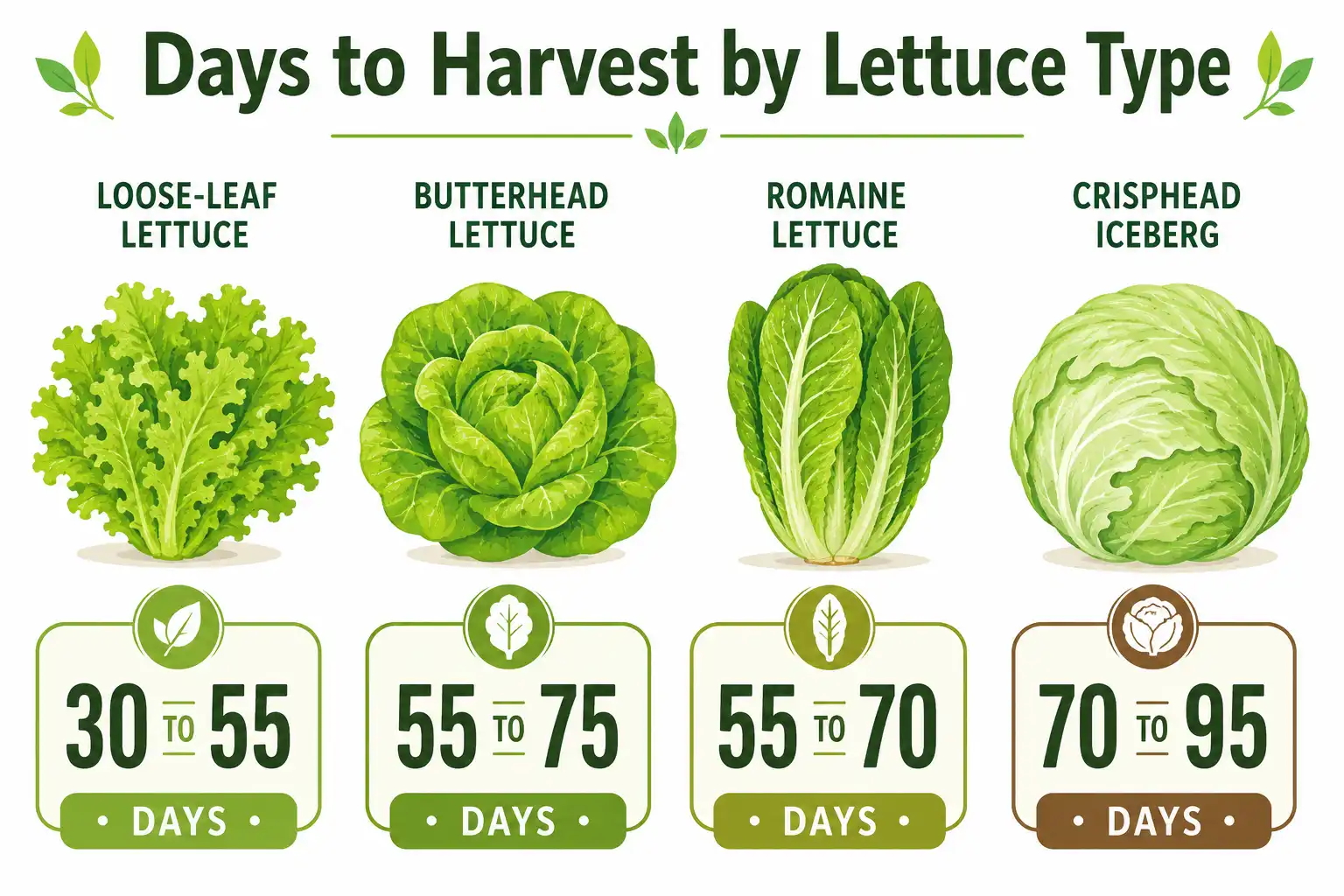
Not every type of lettuce stays fresh for the same amount of time after washing. Thick, firm leaves tend to hold their shape better than delicate leaves. Thin baby greens can bruise or wilt more quickly during washing, spinning, and storage.
Romaine and iceberg lettuce are often easier to prepare ahead because their leaves are relatively firm. Butter lettuce, spring mix, and baby spinach need gentler handling. Their soft leaves can lose their fresh texture if they are pressed tightly into a container.
The following table gives practical quality estimates for washed and well-spun greens. These are general planning ranges, not tested guarantees or official safety limits. The starting freshness and refrigerator conditions can change the results.
Source: i.pinimg.com
Romaine lettuce
Its firm ribs and sturdy leaves make it a useful choice for preparing several salads ahead of time.
Iceberg lettuce
Its dense structure can help it retain a crisp bite, although chopped pieces may deteriorate faster than an intact head.
Green and red leaf lettuce
These leaves are softer than romaine and need gentle spinning and loose storage.
Butter lettuce
Its delicate leaves can bruise easily, so avoid heavy pressure and frequent handling.
Spring mix and baby greens
These thin leaves need careful moisture control and should be checked often for soggy or damaged pieces.
Which Lettuce Is Best for Meal Prep?
Romaine is a useful option if you want to wash and store lettuce for several meals. Its sturdy leaves can handle careful spinning and are easy to use in wraps, chopped salads, and sandwiches.
Iceberg is another good choice when crunch matters. However, keep it in larger pieces when possible, since cutting exposes more of the leaf tissue to handling and moisture loss.
For spring mix and butter lettuce, prepare smaller batches. Their delicate structure makes them less suited to long storage after washing.
For crunchy salads
Choose romaine or iceberg and keep the leaves in larger pieces until needed.
For tender salads
Choose butter lettuce or spring mix, but use it sooner and handle it gently.
For sandwiches
Romaine and green leaf lettuce are useful because their leaves are easier to place between bread slices.
The Best Way to Store Lettuce After Using a Salad Spinner
The best way to store spun lettuce is to place it in a clean, dry, covered container with a dry paper towel. Keep the container in a cold refrigerator, preferably in the crisper drawer or another stable, clean area.
Avoid packing the leaves too tightly. Crushed leaves release moisture and can develop damaged spots. A little room inside the container helps prevent pressure from flattening the greens.
A sealed container also helps protect lettuce from odors and contact with other foods. However, do not trap large amounts of water inside. If the paper towel becomes wet, replace it with a fresh, dry one.
Source: lovefoodhatewaste.co.nz
Choose a clean container
Use a food-safe plastic or glass container with a lid. Wash and dry it before adding lettuce.
Add a paper towel
Place a clean, dry paper towel under or over the leaves to absorb moisture that collects during storage.
Avoid tight packing
Give the leaves enough room so they do not become crushed or compressed.
Refrigerate promptly
Put the lettuce in the refrigerator soon after washing and spinning.
Check moisture
Replace a soaked paper towel and remove any damaged or spoiled leaves.
Should You Use an Airtight Container?
An airtight or well-covered container can help protect lettuce from outside moisture, refrigerator odors, and accidental contact with other foods. It is a practical choice for storing washed greens.
Still, airtight storage does not make wet lettuce safe from spoilage. If water remains on the leaves or collects at the bottom, the leaves can become soggy. Dry the lettuce first and check the container during storage.
A clean lettuce keeper with a removable drainage area can also work. Make sure the container and its parts are clean and dry before each use.
Glass containers
These are easy to clean and allow you to see the leaves without opening the lid.
Food-safe plastic containers
These are light and convenient for meal prep, provided they are clean and have no damaged areas.
Lettuce keepers
Some models include a tray or drain system that keeps leaves away from collected water.
Where Should You Put Lettuce in the Refrigerator?
The crisper drawer is often a practical place for lettuce because it keeps delicate produce organized and protected from direct contact with other foods. A stable shelf can also work if the drawer is full.
Keep lettuce away from raw chicken, beef, seafood, and their juices. Store raw animal products in sealed containers on lower shelves so they cannot drip onto ready-to-eat foods.
Do not leave washed lettuce on the kitchen counter while you finish other meal-prep tasks. Return it to the refrigerator promptly.
Best temperature
Maintain a refrigerator temperature of 40°F or below.
Safe placement
Keep lettuce above and away from raw meat and seafood.
Avoid warm spots
Do not store lettuce in a refrigerator door where temperatures may fluctuate more.
How to Wash and Spin Lettuce Before Storing It
Good storage begins before lettuce enters the refrigerator. Clean hands, a clean sink or bowl, a clean salad spinner, and careful drying all help reduce the chance of contamination and early spoilage.
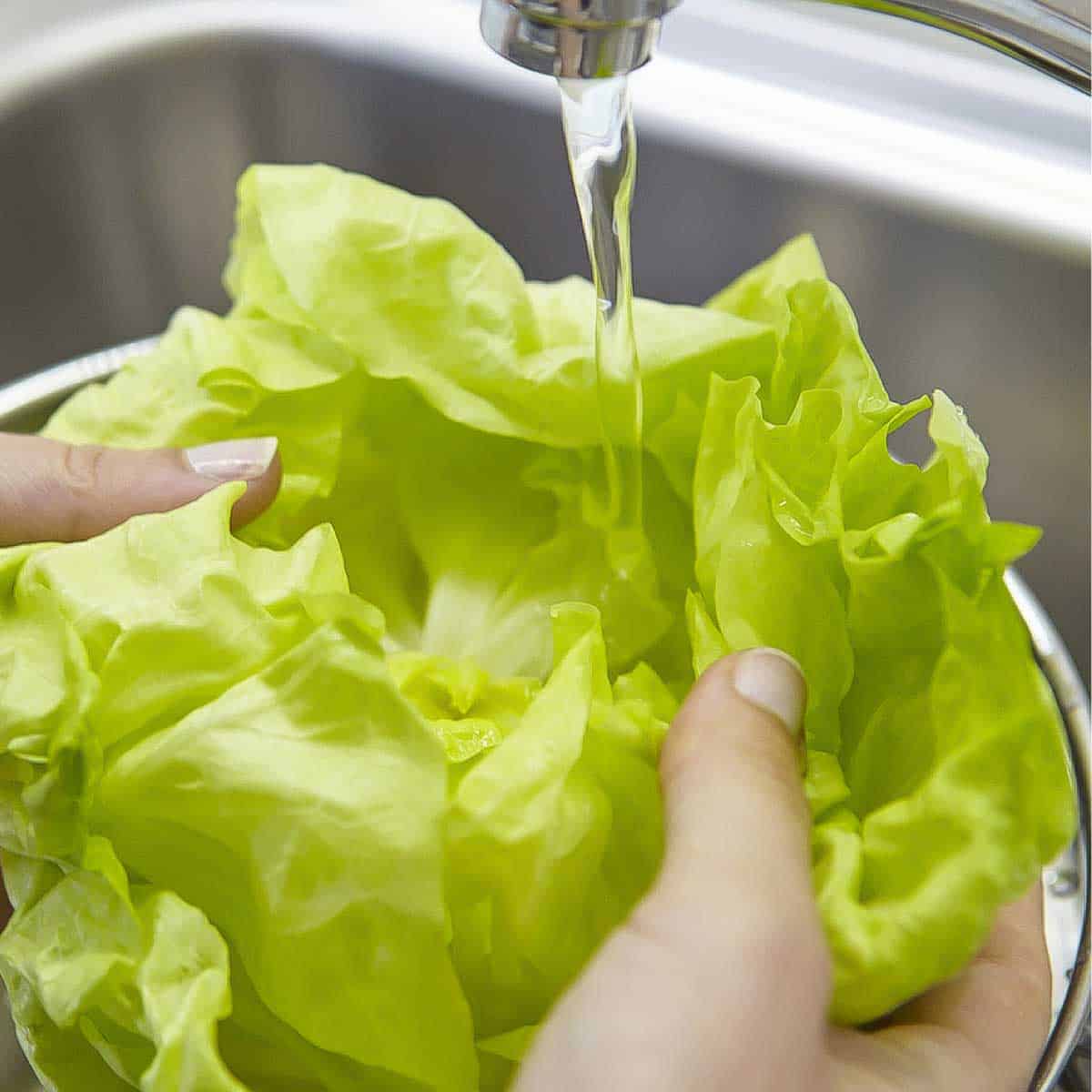
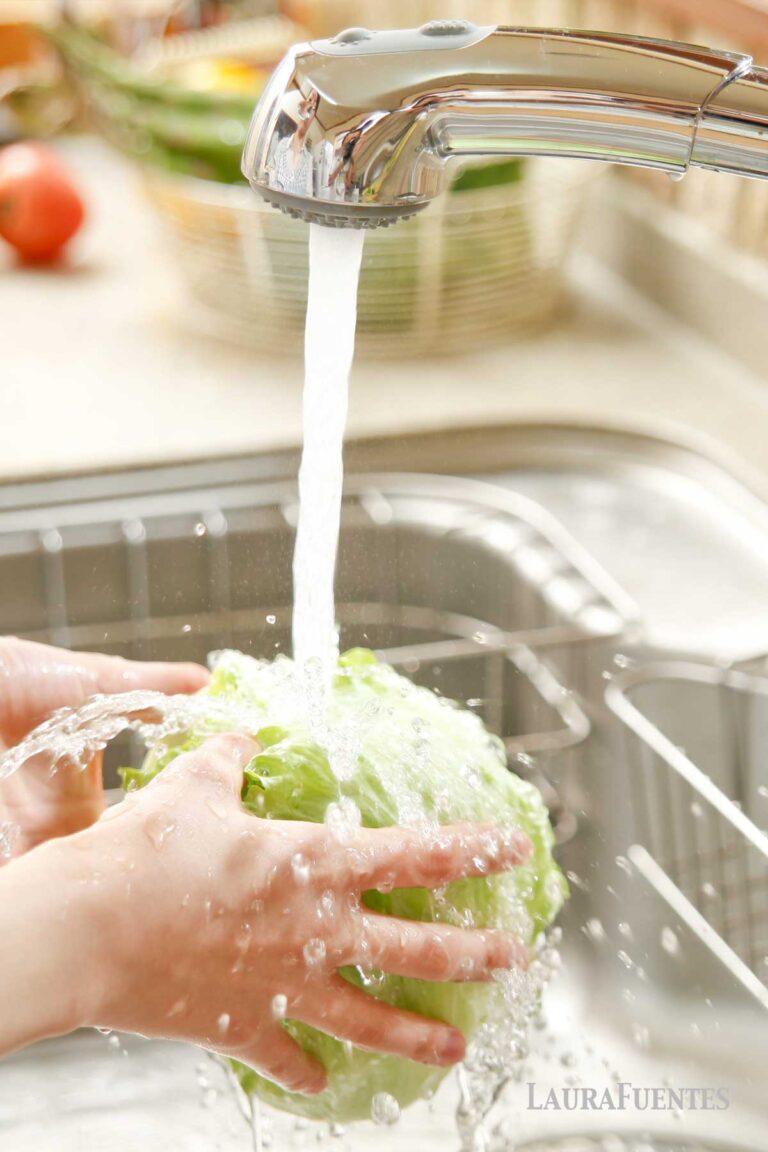
Wash whole lettuce leaves under clean running water before eating or preparing them. Remove damaged outer leaves first, and separate the remaining leaves so you can rinse away visible dirt and grit.
If the lettuce is labeled prewashed, triple-washed, or ready-to-eat, follow the package directions. Such products generally do not need another wash. Rewashing them can introduce contamination through dirty hands, sinks, or equipment.
Source: theforkbite.com
Step 1: Wash your hands
Use soap and warm water for at least 20 seconds before handling lettuce.
Step 2: Remove damaged leaves
Discard leaves that are rotten or badly damaged. Separate the healthy leaves from the head.
Step 3: Rinse under running water
Rinse the leaves with clean, cool running water. Rub gently to remove dirt.
Step 4: Drain the leaves
Let excess water drain before placing the leaves in the salad spinner.
Step 5: Spin gently
Place a manageable amount of lettuce in the basket and spin until most surface water is removed.
Step 6: Check the leaves
Look for water droplets and damp areas. Repeat a gentle spin if needed.
Step 7: Store promptly
Transfer the dry leaves to a clean container lined with a dry paper towel and refrigerate.
How Many Times Should You Spin Lettuce?
There is no fixed number of spins that works for every salad spinner or lettuce type. The goal is to remove excess surface water without bruising the leaves.
Start with one spin and inspect the leaves. If you still see many droplets, drain the collected water from the spinner and spin again gently.
Avoid overloading the basket. A large pile of lettuce may prevent the leaves from moving freely, leaving some areas wet. Smaller batches usually produce a more even result.
Small batches
Divide a large head of lettuce into smaller portions for better water removal.
Gentle handling
Avoid crushing soft leaves while loading or unloading the basket.
Final inspection
Check the bottom and center of the batch for trapped water before storage.
Should You Use Soap or Vinegar to Wash Lettuce?
Use clean running water to wash fresh lettuce. The FDA does not recommend washing produce with soap, detergent, or commercial produce washes because residues may remain on the food.
Vinegar is not a replacement for proper washing and refrigeration. A vinegar rinse does not make lettuce sterile or guarantee that harmful bacteria have been removed.
A clean salad spinner is also important. Wash its basket, bowl, and lid with hot, soapy water, rinse well, and allow the parts to dry before use.
Use plain water
Rinse fresh lettuce under clean running water.
Avoid household cleaners
Never use bleach, dish soap, or laundry detergent directly on lettuce.
Clean the equipment
Wash the salad spinner and other food-contact surfaces before preparing lettuce.
What Causes Washed Lettuce to Go Bad Faster?
Excess moisture, warm temperatures, bruising, contamination, and poor starting quality can all shorten the useful life of washed lettuce. A salad spinner helps with one part of the problem, but it cannot fix every storage mistake.
Lettuce is made up largely of water, and its leaves are fragile. When they are damaged, their structure breaks down and they can lose their crisp texture. Water that collects around damaged leaves can also make the storage container unpleasant and soggy.
The best way to avoid early spoilage is to handle the leaves gently, dry them well, and keep them cold. Check the container regularly rather than assuming the lettuce will remain fresh for a set number of days.
Source: laurafuentes.com
Too much water
Water trapped between leaves can collect at the bottom of the container and contribute to soggy storage conditions.
Warm refrigerator
A refrigerator above 40°F may allow bacteria to grow more readily on perishable produce.
Bruised leaves
Rough handling and heavy pressure can damage lettuce and speed up the loss of crispness.
Dirty equipment
A contaminated spinner, knife, container, or countertop can transfer unwanted microorganisms to the lettuce.
Poor starting quality
Old, damaged, or already slimy leaves will not become fresh again after washing.
Cross-contamination
Contact with raw meat juices or dirty utensils can make lettuce unsafe to eat.
Does Wet Lettuce Spoil Faster Than Dry Lettuce?
Wet lettuce often loses its pleasant texture sooner than properly dried lettuce. Water that remains between the leaves can collect in the container and make the lower layers soggy.
However, visible moisture alone does not prove that lettuce is unsafe. The type of lettuce, how it was handled, its age, and its storage temperature all affect its condition.
For better storage, remove excess surface water with a spinner and use a dry paper towel to absorb moisture that appears later. Do not wrap lettuce in a soaking-wet towel.
Dry leaves
Usually easier to store because there is less loose water inside the container.
Damp leaves
May need another gentle spin or a fresh paper towel.
Waterlogged leaves
Should be drained and inspected before storage, especially if they are already damaged.
Can You Store Lettuce With Other Vegetables?
You can store lettuce near some other vegetables if everything is clean, dry, and protected. However, avoid placing lettuce next to produce that is leaking liquid or touching damaged vegetables that may transfer moisture and spoilage.
Keep cut produce separate from raw animal products. Also, avoid storing delicate lettuce in the same crowded container as heavy vegetables that may crush it.
Some fruits, including apples and bananas, release ethylene gas as they ripen. This gas can speed up quality changes in sensitive produce, so separate lettuce from these fruits when practical.
Keep lettuce separate
Use its own clean container rather than mixing it with wet or damaged produce.
Avoid pressure
Do not place heavy foods on top of delicate leaves.
Protect from raw foods
Keep lettuce away from raw meat, poultry, seafood, and their juices.
How to Tell If Washed Lettuce Has Gone Bad
Check the appearance, smell, and texture of lettuce before eating it. Fresh lettuce should have a clean, mild smell and leaves that are reasonably crisp for their variety.
Spoiled lettuce may develop slimy patches, dark rotten areas, an unpleasant odor, or excessive liquid inside the container. These signs are more useful than relying on the number of days alone.
Remember that harmful bacteria may be present without changing the appearance or smell of lettuce. A normal-looking leaf is not proof that it is free from pathogens. Safe refrigeration and clean handling are essential even when the lettuce looks fresh.
Source: cdn.images.express.co.uk
Slimy texture
Leaves that feel slippery or coated with slime should be discarded.
Strong unpleasant smell
A rotten, sour, or unusual odor is a reason to throw the lettuce away.
Rotten dark patches
Dark, mushy, decaying areas indicate that the affected leaves are no longer suitable to eat.
Excessive liquid
A container with a large amount of liquid and deteriorating leaves needs careful inspection. Discard spoiled contents.
Mold
If you see mold on the lettuce, discard the affected product rather than trying to wash the mold away.
Can You Eat Lettuce That Is Slightly Wilted?
Slightly wilted lettuce is not automatically spoiled. Leaves can lose firmness when they lose water, and this may affect texture without necessarily indicating decay.
If the leaves are clean, have no slime, show no signs of rot, and have been stored safely, you may be able to use them in a cooked dish. You can also try placing sound, wilted leaves in a bowl of ice water for a short period to help restore some crispness.
Do not use this method to rescue lettuce that smells bad, feels slimy, has mold, or has been left at an unsafe temperature. Chilling cannot reverse spoilage or make contaminated food safe.
Mild wilting
May be a texture issue if the lettuce has otherwise been handled and stored safely.
Sliminess
Treat this as a spoilage warning and discard the lettuce.
Mold or rot
Discard the affected product instead of attempting to restore it.
What If the Lettuce Looks Fine but Has Been Stored Too Long?
Appearance is not a reliable way to rule out harmful bacteria. Lettuce can look acceptable even when unsafe microorganisms are present.
If you know the lettuce was left unrefrigerated too long, exposed to raw meat juices, or recalled because of contamination, do not eat it simply because the leaves look normal.
When in doubt about the handling history, the safer choice is to discard it. Never taste questionable lettuce to decide whether it is safe.
Unsafe temperature history
Discard perishable lettuce left at room temperature for more than two hours, or more than one hour when the temperature is above 90°F.
Raw meat contact
Discard lettuce that has been contaminated by raw meat, poultry, seafood, or their juices.
Product recall
Follow the recall notice and do not eat an affected product.
Can You Prepare and Store Lettuce for the Entire Week?
You can prepare lettuce ahead of time, but washing and spinning a large batch does not guarantee that every leaf will stay fresh for a full week. A shorter storage period is a more practical plan for delicate washed greens.
For a busy American household, a simple meal-prep routine can make weekday lunches easier. Wash and spin a few days’ worth of lettuce, store it properly, and prepare another batch later if you need more.
Whole heads of lettuce may last longer than separated or chopped leaves because the leaves have less exposed surface area. If you have enough refrigerator space, keeping some lettuce unwashed until needed can help preserve its quality.
Source: cropfarming.org
Prepare smaller batches
Wash only enough lettuce for the next few days rather than preparing a large amount at once.
Keep whole leaves
Avoid chopping the lettuce until you are ready to make a salad or sandwich.
Store salad toppings separately
Keep tomatoes, dressing, cucumbers, and other wet ingredients away from the dry lettuce.
Check daily
Look for wet paper towels, liquid, damaged leaves, and signs of spoilage.
A Simple Three-Day Lettuce Meal-Prep Plan
A three-day plan can help you use washed lettuce while it still has a pleasant texture. It also reduces the amount of time that delicate leaves spend in storage.
On the first day, wash and spin fresh lettuce, then place it in a clean container. Add a dry paper towel and refrigerate it promptly.
On the second day, check the leaves and replace the paper towel if it has become damp. Take out only the portion you need and return the rest to the refrigerator.
On the third day, inspect the remaining leaves before preparing another meal. If the lettuce is still fresh and has been handled safely, use it in a salad, sandwich, or wrap.
Day 1
Wash, spin, and store fresh lettuce.
Day 2
Check moisture and use a portion for lunch or dinner.
Day 3
Inspect the remaining leaves and use the good-quality lettuce promptly.
How to Keep Salad Ingredients Fresh Alongside Lettuce
Keep wet salad ingredients in separate containers until serving time. Sliced tomatoes, cucumbers, dressings, and other moist toppings can make dry lettuce soggy when mixed too early.
Store cheese, cooked chicken, beans, and other toppings in suitable covered containers under refrigeration. Keep raw ingredients separate from ready-to-eat lettuce during preparation.
Assemble each salad shortly before eating. This simple step helps maintain a better texture and makes meal prep easier.
Remove excess liquid from ingredients such as canned beans before adding them to a salad.
Use clean utensils
Avoid using the same unwashed knife or cutting board for raw meat and salad ingredients.
Common Mistakes When Storing Spun Lettuce
Even a good salad spinner cannot prevent spoilage if you store lettuce incorrectly. Small mistakes during washing, drying, or refrigeration can reduce its quality.
One common mistake is putting wet lettuce into a closed container and assuming that the lid will keep it fresh. Another is leaving the spinner full of water and transferring damp leaves directly into storage.
Avoid these habits by checking the leaves before storage and keeping the container clean, dry, and cold. A few careful steps can help reduce food waste without making unrealistic promises about shelf life.
Source: eatingwell.com
Storing lettuce while dripping wet
Spin it again gently or drain it before storage. Do not leave pools of water around the leaves.
Using a dirty salad spinner
Wash the basket, lid, and bowl before preparing a fresh batch.
Overfilling the container
Use a container large enough to prevent leaves from being crushed.
Forgetting about refrigerator temperature
Check that the refrigerator stays at 40°F or below.
Mixing lettuce with dressing
Keep dressing separate until the salad is ready to eat.
Ignoring spoiled leaves
Remove and discard leaves that are clearly rotten. If the batch is slimy or moldy, discard it.
Keeping lettuce at room temperature
Return it to refrigeration promptly after preparation and serving.
What Should You Do If Water Collects in the Container?
If you find a small amount of water in the container, take out the lettuce and inspect it. If the leaves remain sound and show no signs of spoilage, drain the water and dry the clean container before returning the lettuce.
Replace the wet paper towel with a clean, dry one. If the lettuce is still visibly wet, use a clean spinner or paper towel to remove excess surface moisture.
If the leaves are slimy, rotten, or have an unpleasant odor, throw them away. Removing the water will not make spoiled lettuce safe to eat.
Drain the container
Remove collected water rather than letting the leaves sit in it.
Replace the towel
Use a fresh, dry paper towel to absorb moisture.
Inspect the lettuce
Discard spoiled leaves or the affected batch when spoilage is widespread.
Should You Freeze Washed Lettuce to Extend Its Life?
Freezing is generally not a good way to preserve lettuce for fresh salads. Ice crystals damage the leaf structure, so thawed lettuce often becomes limp and watery.
If you have extra lettuce that is still fresh and suitable for freezing, you may use it later in cooked dishes where crisp texture is not important. Its quality after thawing will not be the same as fresh lettuce.
For everyday salads and sandwiches, refrigeration and smaller preparation batches are usually better options.
Fresh salads
Keep lettuce refrigerated instead of freezing it.
Cooked dishes
Frozen lettuce may be used in some cooked preparations where texture matters less.
Better planning
Buy and prepare smaller quantities to reduce leftover lettuce.
Frequently Asked Questions
Q
Can washed lettuce last 7 days in the refrigerator?
It may be possible for some lettuce to remain in good condition for seven days, especially when it starts very fresh and is stored correctly. However, seven days should not be treated as a guaranteed shelf life for washed and spun leaves.
A more practical quality target is 3 to 5 days. Check the lettuce regularly, maintain a refrigerator temperature of 40°F or below, and follow package instructions where applicable.
Q
Should I wash lettuce before storing it in the refrigerator?
For the best storage quality, it is often better to keep whole lettuce unwashed until you need it. Washing before storage can introduce extra moisture and may speed up spoilage if the leaves are not dried well.
If you prefer to prepare lettuce ahead of time, wash it with clean running water, spin it thoroughly, and store it in a clean container with a dry paper towel.
Q
Can I store spun lettuce in a Ziploc bag?
Yes. A clean food-safe resealable bag can work for storing dry lettuce in the refrigerator. Remove most surface water first and place a dry paper towel inside to absorb moisture.
Avoid crushing the leaves when sealing the bag. Do not place wet lettuce in a bag and leave it sitting in collected water. Check the towel and leaves during storage.
Q
How long can washed lettuce sit out at room temperature?
Perishable foods should generally not remain at room temperature for more than two hours. If the surrounding temperature is above 90°F, the limit is one hour.
This matters during outdoor picnics, summer cookouts, and long meal-prep sessions. If washed lettuce has been left out beyond these limits, discard it rather than returning it to the refrigerator.
Q
Does adding a paper towel keep lettuce fresh longer?
A clean, dry paper towel can absorb extra moisture inside the storage container. This may help prevent the leaves from becoming wet and soggy.
The towel does not kill bacteria or stop spoilage. Replace it when it becomes damp, and keep the lettuce refrigerated.
Q
Can I spin lettuce twice to make it completely dry?
Yes. You can spin lettuce more than once if you still see water droplets after the first spin. Empty the collected water from the bowl before spinning again.
Use gentle movements and small batches. The goal is to remove excess surface water, not to crush the leaves or make them completely moisture-free.
Q
Why does my lettuce become slimy even after spinning?
Spinning removes surface water, but it cannot stop natural decay or remove all microorganisms. Lettuce may still become slimy because it was old when purchased, bruised during handling, stored too warm, or contaminated.
Check the starting quality, clean your spinner and container, avoid overpacking, and maintain a refrigerator temperature of 40°F or below. Discard lettuce that develops a slimy texture.
Q
Is it safe to eat washed lettuce after the use-by date?
Follow the product label and any storage instructions provided by the manufacturer. A use-by date should not be ignored simply because the lettuce looks or smells normal.
If the product has exceeded its stated date, follow the package guidance and choose the safer option. Never rely on appearance alone to determine whether lettuce is free from harmful bacteria.
✦ Wrapping Up
Conclusion
Washed and spun lettuce generally stays fresh for about 3 to 5 days when you store it properly in the refrigerator. Removing excess water with a salad spinner helps maintain a better texture, but it does not stop natural spoilage or make lettuce free from harmful bacteria.
For the best results, begin with fresh leaves, wash them under clean running water, spin them in small batches, and place them in a clean container with a dry paper towel. Keep the container covered and maintain a refrigerator temperature of 40°F or below.
Check your lettuce before every use. Remove spoiled food from your meal plan rather than trying to rescue it with another rinse or spin. Preparing smaller batches can help you enjoy crisp salads throughout the week while reducing food waste.
💡 Key Takeaway
Wash only the lettuce you need, spin away excess water, store it in a clean covered container with a dry paper towel, refrigerate it at 40°F or below, and aim to use it within 3 to 5 days while checking for spoilage.