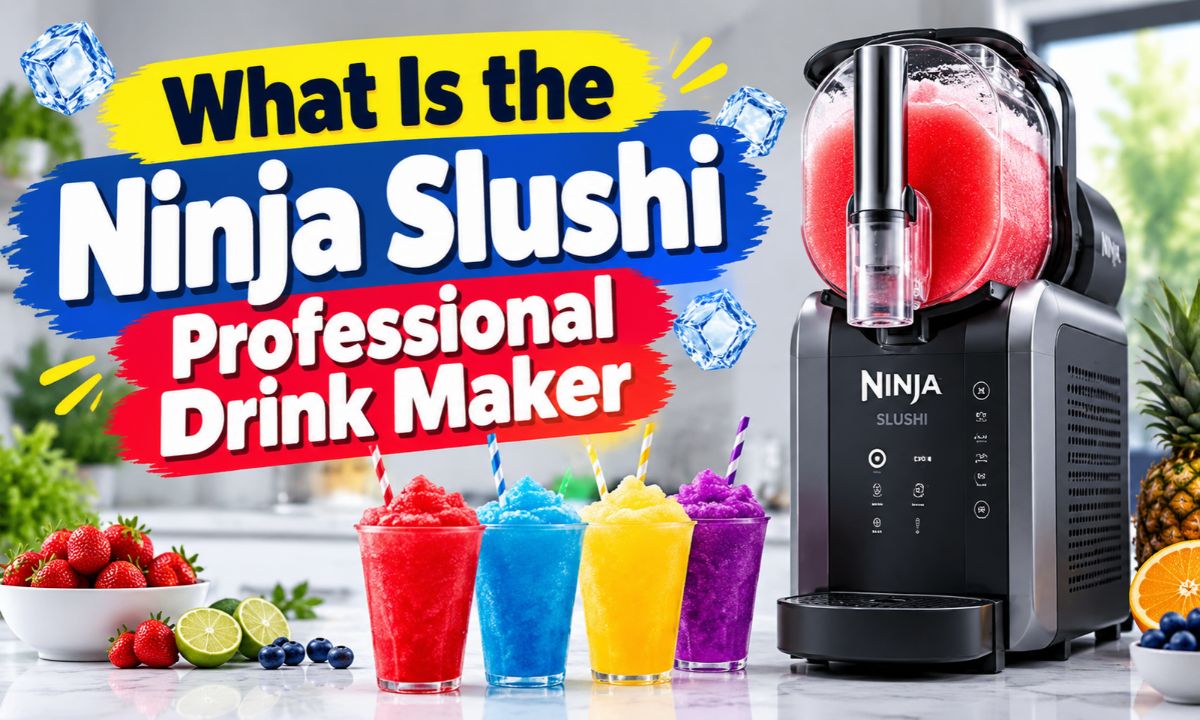
The Ninja SLUSHi professional Drink Maker is an electric countertop machine that turns suitable liquids into frozen drinks without adding ice.
In American homes, frozen drinks are a popular way to cool off during hot summer days, backyard barbecues, family gatherings, and game-day parties. The Ninja SLUSHi Professional Drink Maker, model FS301, is designed to make these drinks at home without the need to crush ice in a blender. It uses a built-in cooling system and an internal auger to turn suitable liquids into slush, frozen coffee drinks, milkshakes, and other cold treats.
The machine has an 88-ounce vessel, a maximum liquid fill of 64 ounces, and five preset programs. It can prepare several servings in one batch and keep eligible drinks cold and ready to serve for an extended period. However, results depend on the recipe, the amount of liquid, and its starting temperature. Understanding these details helps you decide whether the machine fits your kitchen, budget, and drink preferences.
This guide explains what the Ninja SLUSHi does, how its cooling system works, what each setting is for, and how to use and clean it. It also covers ingredient limits, common mistakes, and the difference between a frozen drink maker and a regular blender. The information is based on the manufacturer’s published product details, not independent hands-on testing.
What Is the Ninja SLUSHi Professional Drink Maker?
The Ninja SLUSHi Professional Drink Maker is a countertop appliance designed to make frozen beverages at home. It is sold under the Ninja brand by SharkNinja, and the US model discussed here is FS301. Instead of blending ice with a drink, it cools the liquid inside a dedicated vessel until it reaches a slushy consistency.
The distinction matters because ice can dilute a beverage as it melts. The SLUSHi uses refrigeration to freeze part of the liquid mixture, so a correctly prepared drink can retain its original flavor without added ice water. The result depends on the recipe and the machine’s settings, rather than on ice cubes breaking into smaller pieces.
The appliance is intended for people who want to serve several frozen drinks at home. It may suit families, people who entertain guests, and anyone who enjoys slushies, frozen juice, frappés, or certain frozen cocktails. It is larger and more specialized than a standard blender, so its value depends on how often you expect to use it.
Main purpose
Turn suitable liquid mixtures into frozen beverages without adding ice.
Product type
A powered frozen drink maker with a cooling system, a removable vessel, and an internal auger.
Model covered
The US Ninja SLUSHi Professional Frozen Drink Maker, model FS301. Features can differ across regional versions and other SLUSHi models.
Main limitation
It does not work like a blender, and not every liquid or recipe will freeze into a suitable slush.
How Is It Different From a Regular Blender?
A blender uses fast-moving blades to cut, mix, or crush ingredients. The Ninja SLUSHi uses refrigeration to cool a liquid mixture and an auger to keep it moving as ice crystals form. The two appliances therefore serve different purposes.
A blender is more useful for smoothies containing whole fruit, leafy greens, nuts, or ice. The SLUSHi is more suitable when you want a drink that stays frozen and can be poured from a dispensing spout. It is not a direct replacement for a blender, food processor, or ice crusher.
Choose a blender
When you need to blend whole ingredients, crush ice, or make thick mixtures with solids.
Choose a frozen drink maker
When you want to prepare batches of compatible frozen beverages and serve them over time.
How Does the Ninja SLUSHi Work?
The Ninja SLUSHi cools liquid through its built-in refrigeration system. Its RapidChill technology is designed to freeze the mixture evenly, while an internal auger moves the liquid through the vessel. This process helps create a slushy texture instead of leaving the drink as a solid frozen block.
The auger is an important part of the process. As the mixture cools, ice crystals begin to form. Movement helps distribute the cold and keeps the drink flowing toward the desired texture. The selected program and temperature control help adjust the result for different types of beverages.
Unlike a blender that needs ice or frozen fruit to create a cold mixture, this machine uses its own cooling system. That means you can begin with a suitable liquid at refrigerator temperature or another permitted starting temperature, then allow the machine to chill it. A warmer starting drink or a larger batch may take longer.
The manufacturer lists a general preparation range of about 15 to 60 minutes, depending on ingredients, volume, and starting temperature. This is a guide, not a promise that every recipe will be ready in the same time. Check the instructions for your exact model and follow the machine’s readiness signals.
Step 1: Add a suitable liquid
Use a recipe that is compatible with the machine and stay within the marked maximum fill line.
Step 2: Select a program
Choose the setting that best matches the type of beverage you are preparing.
Step 3: Allow the mixture to cool
The cooling system and auger work together while the liquid develops a frozen texture.
Step 4: Adjust the texture if needed
Use the available temperature controls within the permitted range to make the drink thicker or thinner.
Step 5: Dispense the drink
Use the built-in handle and spout to fill glasses when the drink reaches the desired consistency.
Why Does the Machine Not Need Ice?
The appliance creates its frozen texture by removing heat from the liquid. It does not rely on crushed ice to cool the drink. This helps avoid the extra water that would enter the beverage as added ice melts.
No added ice does not mean the machine can freeze any drink under any conditions. Sugar levels, alcohol content, acidity, and other ingredients affect how a mixture freezes. The recipe still matters, so follow the manufacturer’s guidance rather than assuming every bottled beverage will work.
Less added dilution
The drink does not need a separate load of ice that melts into it.
Recipe still matters
A liquid’s ingredients affect whether it reaches a smooth, pourable slush.
What Are the Five Ninja SLUSHi Settings?
The US FS301 model offers five preset programs: Slush, Spiked Slush, Frappé, Milkshake, and Frozen Juice. Each setting is intended for a different style of drink. Selecting the closest match gives you a useful starting point, although ingredients and recipe proportions still affect the final texture.
The presets are not five separate recipes. They are programs that control the machine’s operation for different beverage types. You still need to supply the ingredients, use suitable proportions, and adjust the texture when needed.
Slush
For suitable sweet drinks such as cola or flavored beverages that can form a pourable frozen texture.
Spiked Slush
For compatible frozen cocktails. Alcohol changes the freezing behavior of a mixture, so follow the manufacturer’s alcohol limits and recipe guidance.
Frappé
For coffee-style frozen drinks and similar beverages. A suitable recipe helps the mixture freeze without becoming too thin or too hard.
Milkshake
For compatible creamy or dairy-based drinks. Use the recipe guidance for dairy and other perishable ingredients.
Frozen Juice
For suitable juice-based drinks and fruit beverages. The natural sugar content and any added ingredients affect the result.
Can You Make Alcoholic Frozen Drinks?
Yes, the Spiked Slush setting is designed for suitable alcoholic frozen beverages. However, alcohol lowers the freezing point of a liquid. A mixture with too much alcohol may remain too fluid to develop the expected slushy texture.
The US product information specifies frozen cocktails containing up to 16% alcohol for the FS301. Treat that figure as a product limit, not a guarantee that every cocktail at or below that level will work. Ingredient ratios, sugar content, and the type of alcohol also matter.
Use a recipe intended for the machine, measure ingredients carefully, and do not pour straight spirits into the vessel expecting them to freeze like a sweet cocktail mixture. Keep alcoholic drinks away from children and follow applicable local laws when serving them.
Use a suitable recipe
Balance the alcohol with the other ingredients according to the manufacturer’s directions.
Do not exceed the specified limit
Follow the alcohol guidance for the exact model and regional version you own.
Can You Make Frozen Coffee and Milkshakes?
The Frappé and Milkshake programs are intended for compatible coffee-based and creamy drinks. These can be useful options for people who want frozen café-style beverages at home. The texture depends on the recipe, including the amount of sugar, dairy, and other ingredients.
Do not assume that every thick smoothie or protein shake belongs in the machine. Drinks with large solid pieces, unusual thickeners, or ingredient combinations outside the instructions may not circulate or freeze properly. Use recipes designed for the appliance.
Coffee drinks
Use a compatible recipe and allow enough time for the liquid to cool.
Creamy drinks
Follow the recipe and cleaning directions for dairy-based mixtures.
How Much Can the Ninja SLUSHi Make?
The US FS301 has an 88-ounce vessel, but the maximum liquid fill is 64 ounces. These numbers describe different things: 88 ounces is the vessel’s stated capacity, while 64 ounces is the maximum amount of liquid to add. Never fill the machine to its total vessel capacity with liquid.
The manufacturer describes the machine as capable of making seven or more servings per batch. That estimate depends on the size of each serving and the ingredients used. A household pouring smaller glasses may serve more people than a group filling large tumblers.
For a simple planning example, a 64-ounce batch divided into eight equal servings provides 8 fluid ounces per serving. This is a hypothetical calculation based on the maximum liquid fill, not a guarantee of the final frozen volume or the number of drinks you will obtain. Foam, ingredient composition, and serving size can change the result.
Total vessel capacity
88 fluid ounces, as listed for the US FS301 model.
Maximum liquid fill
64 fluid ounces. Use the vessel’s marked fill line and the exact manual.
Advertised servings
Seven or more servings per batch, depending on portion size and recipe.
Practical planning
Estimate the number of guests and choose serving sizes before preparing a batch.
How Long Does a Batch Take?
The manufacturer gives a general preparation range of about 15 to 60 minutes. The actual time depends on the liquid’s starting temperature, recipe, batch size, and other conditions. A smaller batch made with a cold, suitable mixture may behave differently from a larger batch made with a warmer liquid.
For a gathering, start early enough to allow for variation. Watch the machine’s indicators and use the instructions to judge when the drink is ready. Do not assume that every recipe will freeze in 15 minutes simply because that is the low end of the published range.
Start with the correct recipe
Ingredient balance has a direct effect on the drink’s ability to freeze.
Allow extra time
Plan for the longer end of the published range when preparing a large batch or using a warmer starting liquid.
How Long Can It Keep Drinks Ready?
The manufacturer states that the machine can keep eligible frozen drinks ready for up to 12 hours. This is useful for a party because guests can serve themselves over time instead of requiring the entire batch to be poured at once.
The stated holding time should not be treated as a universal food-safety guarantee. Dairy-based and other perishable ingredients need appropriate handling, and the machine’s operating instructions still apply. Follow food-safety guidance for the ingredients you use and discard drinks that have been handled or stored unsafely.
For parties
The holding function can help keep a compatible batch available for serving over several hours.
For perishable recipes
Follow ingredient storage, hygiene, and food-safety requirements rather than relying only on the appliance’s holding time.
What Ingredients Work Best in the Ninja SLUSHi?
The best ingredients are liquids and mixtures that follow the machine’s recipe and freezing requirements. Many sweetened beverages can work because sugar affects how water freezes and helps shape the final texture. Fruit juices and suitable flavored drinks may also work when their composition matches the manufacturer’s guidance.
The key is to think about the whole recipe rather than just its main flavor. A drink that tastes good at room temperature may not freeze correctly. Too much alcohol, an unsuitable sugar level, or ingredients that make the mixture too thick can affect the result.
The manufacturer’s guidance also describes using recommended sugar substitutes for suitable reduced-sugar or sugar-free recipes. Not every sweetener behaves like regular sugar, so replacing sugar with an arbitrary substitute may change the texture. Use a tested recipe from the official recipe guidance for the model whenever possible.
Suitable sweetened beverages
Examples may include cola, flavored drinks, and other compatible liquids prepared according to the manual.
Fruit-based drinks
Suitable juices and fruit beverages can work when their sugar content and consistency meet the recipe requirements.
Coffee mixtures
Use compatible coffee or frappé recipes with the right balance of liquid and other ingredients.
Creamy mixtures
Use recipes intended for the Milkshake program and follow dairy-handling directions.
Reduced-sugar recipes
Use a recommended sugar alternative and an appropriate recipe rather than assuming any sweetener will work.
Why Does Sugar Matter?
Sugar does more than add sweetness. It changes the freezing behavior of a liquid, which affects how much ice forms and how easily the drink flows. A recipe with too little suitable sugar or sweetener may not reach the expected slushy texture.
This is why an ordinary sugar-free drink may not behave like a standard sweetened soda in the machine. Some sugar-free recipes can work when prepared with a recommended alternative, but the ingredient ratios matter. Follow the manufacturer’s recipe guidance instead of making a direct one-for-one substitution without checking.
Avoid guessing
Use a recipe designed for the machine when changing sugar levels or sweeteners.
Check the texture
If the mixture stays liquid, review the ingredients and settings before assuming the appliance is faulty.
Which Ingredients Should You Avoid?
Avoid ingredients and mixtures that conflict with the machine’s manual. Straight spirits, unsuitable low-sugar liquids, mixtures with large solid pieces, and recipes that are too thick may not freeze or circulate as intended. Never force a mixture through the machine or add ingredients in a way that blocks moving parts.
Do not use the appliance for hot liquids, and do not assume it can replace a blender for whole fruit or ice. If a recipe calls for a special ingredient or preparation method, check the official instructions before trying it. When in doubt, choose a compatible recipe rather than risking a poor result or equipment damage.
Excess alcohol
Alcohol can prevent a mixture from freezing properly when its concentration is too high.
Unapproved thick mixtures
Very thick recipes or large solids may interfere with proper circulation.
Hot liquids
Allow ingredients to reach a permitted starting temperature before adding them.
How Do You Set Up and Use the Ninja SLUSHi?
Setting up the machine starts with a stable countertop, the correct assembly, and a suitable recipe. Before the first use, read the instructions for your exact model and wash the removable parts as directed. Keep the motor base away from water and leave enough room around the machine for proper operation.
Place the appliance on a level, stable surface near a suitable electrical outlet. The US FS301 is listed as a 120-volt appliance, so users outside the United States should check regional compatibility and should not assume that a plug adapter makes an incompatible electrical supply safe. Follow the product label and local electrical requirements.
Fit the vessel, auger, spout components, drip tray, and condensation catch according to the manual. Confirm that the parts sit correctly before adding liquid. The machine should not be operated with missing or improperly installed components.
1. Read the instructions
Check assembly, ingredient limits, electrical requirements, and cleaning directions before the first batch.
2. Prepare the removable parts
Wash the parts as directed and let them dry before assembly.
3. Assemble the machine
Fit the vessel, auger, spout, and trays correctly.
4. Add the mixture
Use a suitable recipe and stop at the maximum liquid fill line.
5. Choose a preset
Select the program that matches the beverage and adjust the texture if needed.
6. Wait for the ready signal
Allow the machine to work and follow its indicators rather than guessing from elapsed time alone.
7. Serve carefully
Use the dispensing handle and keep glasses positioned over the drip tray.
What Does a Successful Batch Look Like?
A successful batch has a consistent, pourable frozen texture that suits the selected program. The drink should dispense without excessive watery liquid or large hard pieces. Some variation is normal because recipes differ, but the mixture should broadly match the texture intended by the chosen setting.
If the drink is too thin, check whether the ingredients meet the recipe requirements and whether the machine has had enough time to cool the batch. If the mixture is too thick, use the permitted texture control and follow the manual. Do not open the machine or reach into moving parts while it is operating.
Too thin
Check the recipe, starting temperature, selected program, and time allowed for freezing.
Too thick
Use the available temperature adjustment according to the instructions.
Uneven texture
Confirm correct assembly and ingredient suitability before attempting another batch.
How Do You Clean and Maintain the Machine?
Cleaning the Ninja SLUSHi after use helps remove leftover sugar, juice, dairy, and other ingredients before they dry. The US product information identifies several removable parts as dishwasher-safe and includes a rinse-cleaning function. Always confirm the approved cleaning method in the instructions supplied with your unit.
Start by following the machine’s shutdown and cleaning directions. Remove the beverage as instructed, use the rinse cycle if appropriate, and disassemble the parts that the manual identifies as removable. Clean the vessel, auger, drip tray, condensation catch, and other approved components using the specified method.
The motor base contains the appliance’s electrical and cooling components. Do not submerge it in water or put it in a dishwasher. Wipe it with a suitable damp cloth as directed, keep the electrical connection dry, and let removable parts dry before storing the machine.
Pay special attention to the dispensing area because sweet drinks can leave sticky residue around the spout. Dairy-based mixtures also require careful cleaning. Follow the full cleaning sequence rather than relying only on a quick rinse after every recipe.
Clean after each use
Remove drink residue before it becomes difficult to wash away.
Check dishwasher guidance
Only place parts identified as dishwasher-safe in the dishwasher.
Keep the motor base dry
Never immerse the base or expose its electrical components to running water.
Inspect the spout
Remove residue from the dispensing area using the approved cleaning method.
Store it dry
Allow cleaned parts to dry as directed before reassembly or storage.
What If the Machine Does Not Freeze the Drink?
If the mixture remains liquid, begin with the recipe and operating conditions before assuming the machine has failed. Check whether the liquid contains the required sugar or recommended substitute, whether the alcohol level is suitable, and whether you selected the right program.
Next, consider the batch size and starting temperature. A large or warm batch may take longer than a smaller, colder one. Make sure the vessel is assembled correctly and that the machine’s airflow and operating conditions match the manual.
If the machine shows an error, makes an unusual sound, leaks, or still fails to work after the permitted checks, stop using it and consult the official troubleshooting instructions or customer support. Do not dismantle the refrigeration system or attempt an electrical repair yourself.
Check ingredients first
Confirm that the recipe is suitable and contains the required sugar or recommended substitute.
Review the settings
Select the program intended for the beverage and use the approved texture controls.
Allow enough time
Consider batch size and starting temperature before judging performance.
Seek service when needed
Use official support for persistent errors, leaks, unusual sounds, or suspected mechanical faults.
What Are the Main Benefits and Limitations?
The main benefit of the Ninja SLUSHi is that it makes frozen drinks without requiring added ice. Its large vessel, preset programs, dispensing spout, and ability to maintain suitable frozen drinks for an extended period are useful when several people want drinks from the same batch.
Its limits are just as important. The machine takes up countertop space, needs access to a suitable electrical outlet, and is designed for a narrower range of tasks than a blender. It also needs compatible recipes, and a batch may take close to an hour depending on its ingredients and starting conditions.
The purchase decision should depend on your routine. If you make frozen beverages often and like the idea of preparing a batch for guests, a dedicated machine may be useful. If you only make an occasional slushie, a blender or another less specialized method may be enough.
Benefit: No added ice
The cooling system freezes the liquid, helping prevent dilution from melting ice.
Benefit: Several servings
The 64-ounce maximum liquid fill can support multiple servings from one batch.
Benefit: Multiple programs
The presets cover several common drink styles without requiring the same manual process for each.
Benefit: Extended serving time
Suitable drinks can remain ready for serving for up to 12 hours under the manufacturer’s stated operating conditions.
Limitation: Counter space
The machine has a dedicated vessel and motor base, so it needs a stable place on the counter.
Limitation: Recipe restrictions
Not every liquid, sweetener, or alcoholic mixture will freeze correctly.
Limitation: Specialized use
It is not a general-purpose blender or food processor.
Limitation: Upfront cost
A dedicated appliance may be difficult to justify if you rarely make frozen drinks.
Who May Benefit Most From This Appliance?
The Ninja SLUSHi may make sense for households that prepare frozen drinks regularly, families who enjoy homemade slushies, or people who host gatherings. Its dispensing design can be convenient when guests want to serve themselves over a period of time.
It may be less useful for a small household that makes frozen drinks only a few times a year. People who mainly want smoothies, crushed ice, or drinks made from whole fruit may get more use from a blender. The most practical choice is the appliance that fits your usual recipes, available space, and cleaning routine.
Frequent frozen drink makers
May benefit from having a dedicated machine ready for repeated batches.
Hosts and families
May value the vessel size and dispensing spout when serving several people.
Occasional users
Should compare the purchase cost and storage needs with how often they expect to use it.
Smoothie-focused households
May prefer a blender that handles a wider range of ingredients and textures.
Frequently Asked Questions
Q
Is the Ninja SLUSHi a blender?
No. The Ninja SLUSHi is a frozen drink maker that cools compatible liquids with a built-in refrigeration system and moves the mixture with an auger. A blender uses blades to mix or cut ingredients. The SLUSHi is designed for frozen beverages, not for general-purpose blending or crushing ice.
Q
Does the Ninja SLUSHi need ice?
No. The machine freezes the liquid inside its vessel, so you do not need to add ice to create the slushy texture. This can help prevent dilution as ice melts. The recipe still needs to meet the machine’s requirements for sugar, alcohol, and other ingredients.
Q
How many drinks can the Ninja SLUSHi make at once?
The US FS301 has an 88-ounce vessel with a maximum liquid fill of 64 ounces. The manufacturer advertises seven or more servings per batch, depending on portion size and ingredients. For planning, divide the permitted liquid amount by your intended serving size, while remembering that the final result can vary.
Q
How long does the Ninja SLUSHi take to make a drink?
The manufacturer’s general preparation range is about 15 to 60 minutes. Actual time depends on the recipe, starting temperature, and batch size. A larger or warmer batch may take longer, so follow the machine’s indicators and instructions rather than relying on a fixed time.
Q
Can you make sugar-free slushies in the Ninja SLUSHi?
Some reduced-sugar or sugar-free recipes may work when they use a recommended sugar alternative in the right amount. Sugar affects freezing and texture, so simply pouring in any sugar-free beverage may not produce the expected result. Follow a compatible recipe and the manufacturer’s ingredient guidance.
Q
Can the Ninja SLUSHi make frozen alcoholic drinks?
Yes. The Spiked Slush setting is designed for compatible frozen cocktails. The US FS301 product information specifies cocktails containing up to 16% alcohol, but that does not guarantee every recipe within that limit will freeze correctly. Use a suitable recipe, follow the model’s instructions, and never exceed the stated limit.
Q
Can the Ninja SLUSHi stay on after the drink is ready?
The manufacturer states that the machine can keep suitable frozen drinks ready for up to 12 hours. This can help during a gathering. However, it does not replace safe handling of dairy and other perishable ingredients, and users should follow the operating and food-safety instructions for their recipe.
Q
Is the Ninja SLUSHi easy to clean?
The machine has removable components, and the manufacturer identifies several parts as dishwasher-safe. It also includes a rinse-cleaning function. The motor base must stay dry and should not be submerged. Check the manual for the correct cleaning sequence and the approved method for each part.
Q
Is the Ninja SLUSHi worth buying?
It may be worth considering if you regularly make slushies, frozen coffee drinks, milkshakes, or suitable frozen cocktails and want to prepare several servings at once. It may be less useful if you rarely make frozen drinks or mainly need a blender for smoothies and whole ingredients. Compare your expected use, available counter space, cleaning needs, and current purchase price before deciding.
✦ Wrapping Up
Conclusion
The Ninja SLUSHi Professional Drink Maker is a dedicated countertop appliance for preparing frozen beverages without adding ice. The US FS301 model combines RapidChill technology, an internal auger, five preset programs, an 88-ounce vessel, and a maximum liquid fill of 64 ounces. It is designed to make drinks such as slushies, frozen juice, frappés, milkshakes, and compatible frozen cocktails.
Its biggest advantage is the ability to prepare a batch and dispense servings over time without relying on melting ice. However, the machine needs suitable ingredients, takes up space, and cannot replace a blender for every kitchen task. The time needed to freeze a drink also varies, and recipe balance matters more than many first-time users may expect.
For an American household that often serves frozen drinks during summer gatherings, family events, or weekends at home, the machine may be a useful specialized appliance. For someone who makes slushies only occasionally, a standard blender or another simpler option may offer better value. The right choice comes down to how often you will use it and whether its specific features match your needs.
💡 Key Takeaway
Before buying or using the Ninja SLUSHi Professional Drink Maker, check the exact model, available counter space, electrical requirements, maximum liquid fill, and recipe guidance. Start with a manufacturer-approved recipe, follow the cleaning instructions, and judge its value by how often you expect to make frozen drinks.