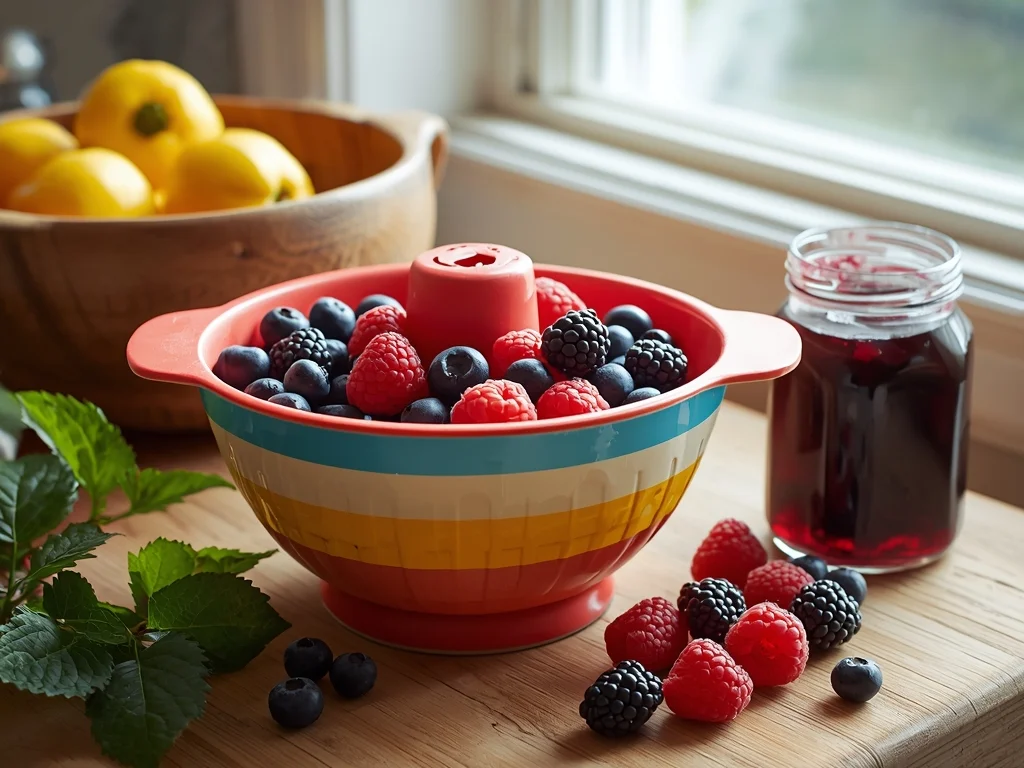
Yes, you can use a salad spinner for berries. Use a clean basket, rinse gently, and spin slowly to remove excess water without crushing the fruit.
Fresh berries are a common part of American meals. You might add strawberries to breakfast oatmeal, toss blueberries into pancake batter, pack raspberries for a school lunch, or serve blackberries with dessert. But washing these small fruits can be tricky because they bruise easily and hold water in their tiny spaces.
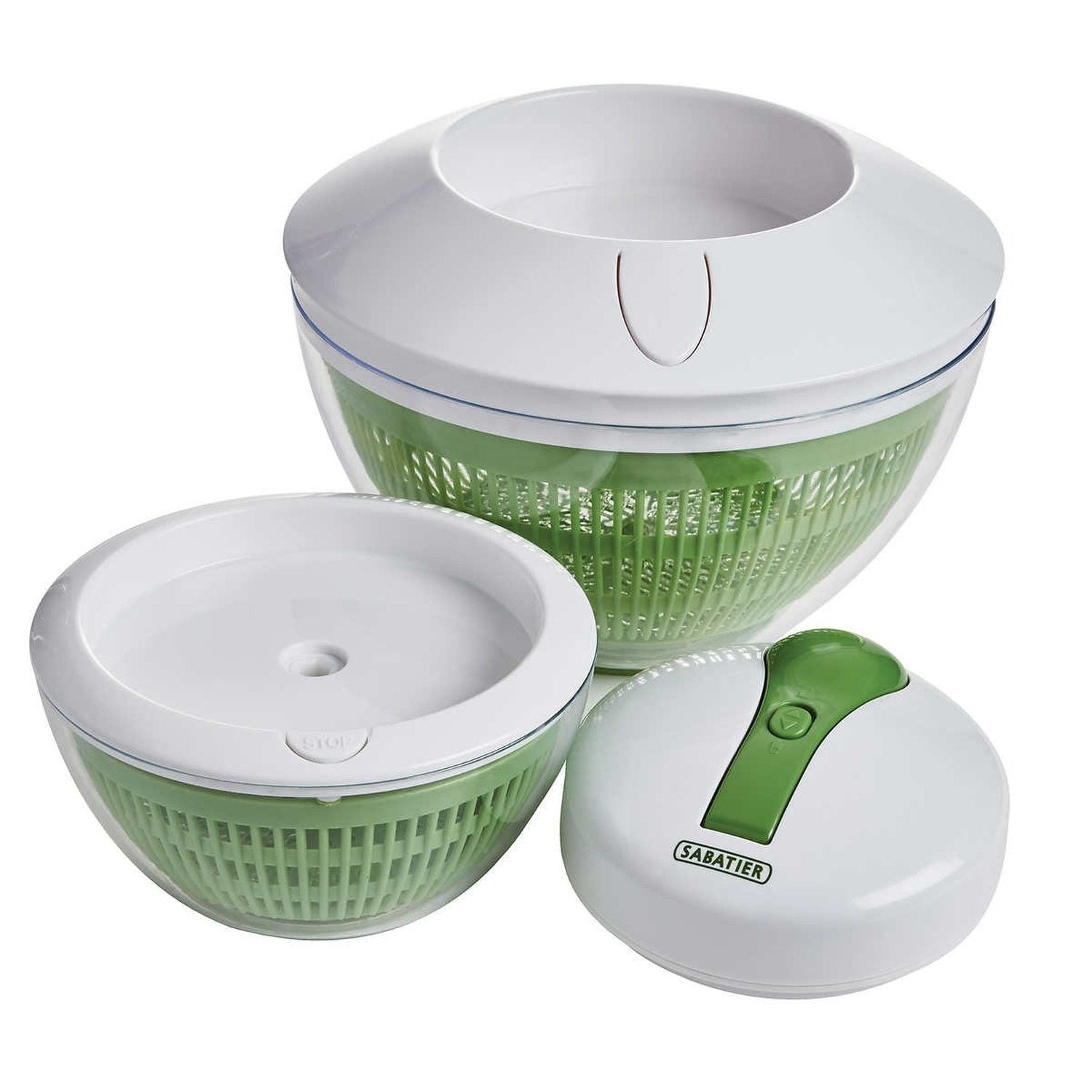
A salad spinner can make this job easier. Its spinning basket helps separate water from the fruit, much like it does with lettuce and other leafy greens. You do not need a special berry spinner if your regular kitchen model has a clean, well-fitting basket and enough room for the fruit to move.
The key is to use a gentle touch. Strawberries and blueberries can often handle a careful spin, while soft raspberries and ripe blackberries need extra care. A salad spinner is a drying tool, not a replacement for proper washing under clean running water.
The U.S. Food and Drug Administration recommends washing fresh produce under running water before eating or preparing it. It also advises against using soap, detergent, or commercial produce washes. This guide explains how to use a salad spinner for different berries, how to avoid damage, and how to store your fruit afterward.
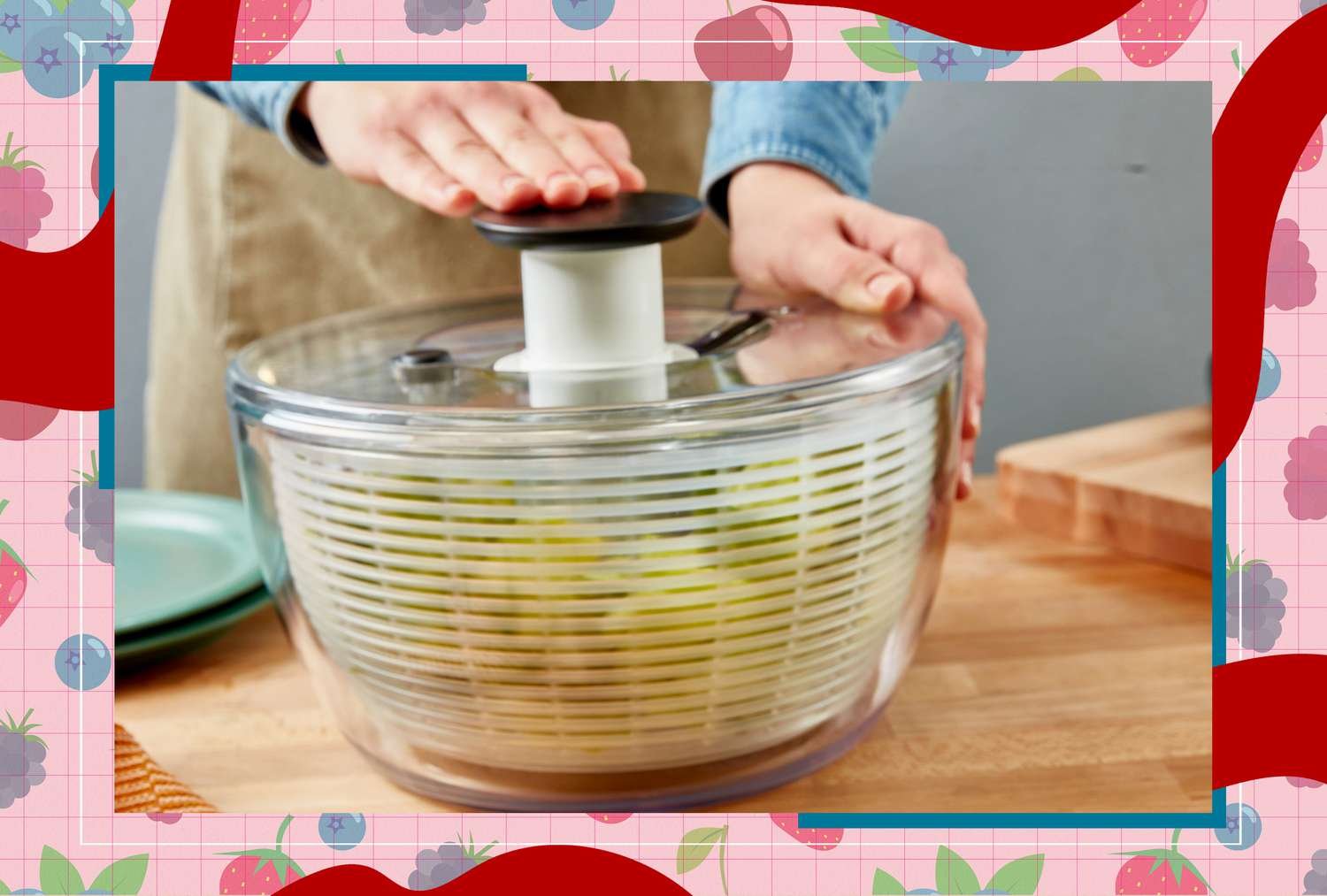
Yes, most salad spinners can be used to dry fresh berries. The basket has small openings that let water drain away, while the outer bowl collects it. When the basket spins, the movement pushes loose water away from the fruit.
This method can save time when you prepare a large bowl of fruit for breakfast, a fruit salad, or a dessert. It can also reduce the need to pat every berry dry by hand. However, the result depends on the type of berry, how ripe it is, and how gently you operate the spinner.
A standard salad spinner is designed mainly for leafy greens. Some models also work well for fruit, but not every basket has the same shape, opening size, or spinning force. Check the manufacturer’s instructions if you are unsure whether your model is suitable for small fruit.
Think of the basket as a small drying rack that moves. It should help water leave the fruit without making the berries bounce around or press hard against the sides.
Source: amazon.co.uk
Good for firm berries
Fresh strawberries, blueberries, and firm blackberries can usually handle a short, gentle spin.
Use more care with soft fruit
Ripe raspberries and delicate blackberries can split or leak if they move too much.
Do not overfill
A crowded basket increases contact between berries and can lead to bruising.
How Does a Salad Spinner Dry Berries?
A salad spinner uses centrifugal force. As the inner basket rotates, water moves outward through the basket openings and collects in the larger bowl. The fruit stays inside the basket while much of the loose surface water moves away.
This works best when the berries have room to move and the basket turns smoothly. It removes water from the outside of the fruit, but it cannot remove moisture trapped inside damaged or split berries.
The process also does not remove every germ or chemical residue. Rinsing under clean running water is still an essential step before eating fresh berries.
Water separation
The spinning action moves loose water away from the fruit.
Less hand drying
You may need fewer paper towels when preparing a large batch.
How to Use a Salad Spinner for Berries
The best way to use a salad spinner for berries is to wash them first, drain them, and then spin a small batch at low speed. This keeps the fruit from moving too much while allowing excess water to escape.
Before starting, make sure the spinner is clean and completely free of soap residue. Check the basket for cracks, rough edges, or openings that might trap very small berries. A clean paper towel or cloth should also be ready for the final drying step.
Do not place unwashed berries directly into a dirty spinner and assume that spinning will clean them. The basket only helps remove water. The fruit still needs a proper rinse.
Source: amazon.com
What you need
A clean salad spinner, fresh berries, clean running water, and a clean paper towel or cloth.
Before you begin
Remove spoiled fruit, wash your hands, and clean the spinner and work surface.
Step 1: Sort the Berries
Spread the berries out and check them before washing. Remove any fruit that looks rotten, moldy, or badly damaged. A leaking berry can make nearby fruit wet and messy.
Separate fruit by type when possible. Strawberries, blueberries, raspberries, and blackberries have different levels of firmness, so washing and drying them in separate batches gives you better control.
Remove damaged fruit
Discard berries that show mold or signs of spoilage.
Keep similar fruit together
Separate firm berries from very soft ones before using the spinner.
Step 2: Rinse Under Running Water
Place a small amount of berries in a clean colander or hold them carefully under clean running water. Use a gentle stream rather than a strong spray. Turn the fruit carefully so water reaches the outer surfaces.
Do not scrub berries with a brush or rub them hard with your fingers. Their skins are delicate, and rough handling can break them. You also do not need soap, detergent, bleach, or household cleaning products.
Avoid leaving berries in a sink full of standing water. A shared bowl of water can spread contamination from one berry to another. A clean, gentle rinse under running water is the better approach.
Use clean water
Rinse berries with clean running tap water.
Avoid harsh cleaning
Do not add soap, bleach, or household detergent.
Step 3: Drain the Berries
After rinsing, let the berries drain for a short time. This removes some of the water before you place them in the spinner. It also reduces the amount of water that collects in the outer bowl.
Handle the fruit carefully when transferring it. Do not pour a heavy pile into the basket from a great height. A gentle transfer helps prevent bruises and broken skins.
Drain gently
Let excess rinse water run off before spinning.
Step 4: Add a Small Batch
Place the berries in the inner basket without filling it to the top. Leave enough room for the fruit to move without being tightly packed. If you have a large amount, work in several batches.
For delicate fruit, use an even smaller amount. A shallow layer is often easier to handle than a deep pile of berries. This is especially helpful with ripe raspberries.
Leave room
Do not pack berries tightly against the basket walls or lid.
Separate large batches
Work in smaller portions to reduce pressure and bruising.
Step 5: Spin Slowly
Place the lid securely on the spinner and turn the handle or press the spinning mechanism gently. Begin with a slow movement and watch how the fruit behaves. Stop if the berries begin bouncing or pressing hard against the basket.
You do not need to spin as hard or as long as you might when drying sturdy lettuce leaves. A short spin may remove enough loose water for many berries. If they still look wet, use another brief and gentle cycle rather than one long, forceful spin.
Empty the outer bowl if water collects around the bottom. Otherwise, the fruit may sit near the collected water when the basket stops.
Use light pressure
Turn the handle smoothly rather than forcing the mechanism.
Watch the fruit
Stop if berries begin to split, leak, or move too roughly.
Step 6: Check and Finish Drying
Open the spinner and inspect the fruit. The berries should look clean and mostly dry on the outside, with little loose water left in the basket. If they still have wet spots, spread them on a clean paper towel for a short time.
Transfer the berries to a clean plate or container. Avoid putting them back into the original unwashed package if it has dirt or moisture inside. Wash and dry the spinner after use.
Look for excess water
Check the surface of the fruit and the bottom of the basket.
Finish with a towel
Use a gentle touch to remove any remaining surface moisture.
Which Berries Can You Dry in a Salad Spinner?
Not all berries respond to spinning in the same way. Some have firm skins and hold their shape well, while others are soft and can break with very little pressure. The best approach is to adjust your method to the fruit.
Strawberries and blueberries are generally easier to handle in a spinner. Blackberries need a little more care, while raspberries often need the gentlest treatment. Fruit that is already soft, overripe, or leaking is not a good choice for spinning.
The following table gives a practical starting point. These are handling suggestions, not guaranteed results for every variety or spinner model.
Source: walmart.com
Strawberries
Strawberries are usually suitable for a salad spinner when they are firm and fresh. Their larger size makes them easier to place and remove from the basket. Rinse them gently under running water and let them drain before spinning.
Keep the green tops attached while washing. Removing the stems first can expose the inner flesh to water and make the berries more likely to absorb moisture. Remove the tops after washing and drying if your recipe calls for them.
If the strawberries are very large, cut them only after washing. Sliced fruit releases juice more easily and should not be spun.
Best method
Rinse whole strawberries, drain, and use a short, gentle spin.
Blueberries
Blueberries are among the easier berries to dry in a salad spinner. Their skins are generally firmer than those of raspberries, so they can tolerate gentle movement when fresh and intact.
Place a small amount in the basket and rinse them under running water. Avoid using a strong spray because blueberries can roll around and hit one another. Give the basket a gentle spin and check the fruit before repeating.
Best method
Use small batches and a gentle spin to remove loose water.
Raspberries
Raspberries need the most care because their hollow centers and soft structure make them easy to crush. A salad spinner may work for firm raspberries, but it is not always the best drying choice.
If you decide to use one, place only a few berries in the basket. Avoid forceful spinning and stop as soon as the loose water has drained. For very ripe raspberries, gently spread them on a clean paper towel instead.
Best method
Use a very small batch and consider towel drying instead.
Blackberries
Blackberries can often be dried in a salad spinner, but their soft sections may become damaged if the fruit is very ripe. Choose firm berries and remove any that look crushed or leaking.
Rinse them gently, let them drain, and spin with little force. Do not pile a large amount into the basket because the weight of the upper berries can press against the fruit below.
Best method
Use a shallow layer and check for damaged berries before spinning.
Salad Spinner vs. Paper Towels for Drying Berries
A salad spinner is useful when you have a large amount of firm berries to prepare. Paper towels are often better for a small batch or very delicate fruit. Neither method is always best, so choose based on the fruit and how much water you need to remove.
The spinner can save time because it removes loose water from several berries at once. It also keeps most of the water inside the outer bowl. However, it requires a clean basket and careful handling.
Paper towels give you more control over each berry. You can spread fruit in a single layer and let it air-dry or gently blot the surface. This is a good option for ripe raspberries and fruit that has started to soften.
Source: pinterest.com
Comparison Table
Use this comparison to choose the drying method that fits your kitchen task.
Salad spinner
Best for larger batches of firm berries. It removes loose surface water quickly but requires gentle spinning and a clean basket.
Paper towels
Best for small batches and delicate berries. They allow careful drying but may take more time and use more paper.
Clean kitchen towel
Useful for larger batches when you want to air-dry fruit without using disposable towels. Use a clean, dry towel and avoid rubbing the berries.
Air drying
Useful after rinsing and draining. Spread the fruit in a single layer on a clean surface and avoid leaving it out for a long time.
Which Method Should You Choose?
Choose a salad spinner when you have firm strawberries or blueberries and want to prepare several servings. Choose paper towels when you have a few soft raspberries or blackberries that need careful handling.
You can also combine the two methods. Spin firm fruit gently, then move it to a clean towel for the final drying step. This gives you the water-removal benefit of the spinner without relying on it to do every part of the job.
For fruit salad
A spinner can help dry a larger amount of firm fruit before you mix it.
For dessert toppings
Use a towel for soft berries that need to keep their shape.
For lunch boxes
Dry the fruit well and place it in a clean container before packing.
Common Mistakes to Avoid When Spinning Berries
The most common mistake is treating berries like lettuce. Leafy greens can usually handle more movement in a salad spinner, but berries have delicate skins and soft flesh. A strong spin can cause bruising, leaks, and crushed fruit.
The goal is not to make the basket spin as fast as possible. It is to remove enough loose water while keeping the fruit intact. A gentle method often gives a better result than a forceful one.
Source: superdietfoods.com
Overfilling the basket
Too many berries can press against one another and become damaged. Divide the fruit into smaller batches.
Spinning too fast
Forceful spinning can make delicate fruit bounce around. Start slowly and stop when the fruit is mostly dry.
Using dirty equipment
Old food residue, dirt, and moisture can contaminate fresh berries. Wash and dry every part of the spinner before use.
Using standing water
Do not soak berries in a bowl of water to clean them. Rinse under clean running water instead.
Washing fruit too early
Washing berries before storage adds moisture that may speed up spoilage. Wash them shortly before eating or preparing them.
Removing strawberry tops too soon
Keep the green tops attached during washing and drying. Remove them afterward to avoid exposing the inner fruit.
What If Your Berries Get Crushed?
If a few berries become crushed, stop the spinner and remove the damaged fruit. Check the rest of the batch for leaking juice or broken skins. Do not keep spinning fruit that is already breaking apart.
Use sound berries for your recipe and discard fruit that looks rotten or moldy. If the berries are simply soft but still fresh, they may be suitable for a smoothie or cooked recipe. Handle them safely and refrigerate prepared fruit promptly.
Next time, reduce the amount in the basket and use less force. If the fruit is too ripe, choose a clean towel instead.
Stop the cycle
Do not continue spinning when fruit begins to leak.
Inspect the batch
Separate damaged fruit from berries that remain firm and intact.
How to Store Berries After Using a Salad Spinner
After drying berries, place them in a clean container and refrigerate them if they are not going to be eaten right away. The refrigerator helps slow spoilage, but proper storage also depends on the condition of the fruit and the amount of moisture left on its surface.
For best quality, keep berries unwashed until you are ready to eat or use them. Illinois Extension recommends storing unwashed strawberries and washing them just before use. Washing too early can leave extra moisture that encourages spoilage.
If you wash more berries than you need, dry them carefully before storing. Use a clean container that allows excess moisture to escape, or follow suitable storage directions for the type of berry. Avoid sealing wet fruit in a container with pooled water.
Source: amazon.com
Use a clean container
Do not transfer washed berries into a dirty package or bowl.
Keep fruit dry
Remove visible water before refrigerating washed berries.
Refrigerate promptly
Keep perishable berries in a clean refrigerator at 40 degrees Fahrenheit or below.
Check before eating
Remove spoiled or moldy fruit and inspect the rest of the batch.
Can You Store Berries in the Salad Spinner?
You can use the outer bowl as a temporary place to hold dry berries, but a salad spinner is not always the best long-term storage container. Some lids are not designed to provide the right airflow or protection for refrigerated fruit.
If the manufacturer allows refrigerator storage, check that the basket and bowl are clean and dry. Otherwise, transfer the fruit to a clean food-storage container that suits the type of berry.
Do not leave berries sitting in water collected at the bottom of the spinner. That defeats the purpose of drying and can make the fruit wet again.
Temporary use
The spinner can hold fruit briefly while you finish meal preparation.
Longer storage
Use a clean container suited to refrigerated fruit instead.
Should You Wash Berries Before Freezing Them?
If you plan to freeze fresh berries, washing and drying them first can help remove dirt and excess surface moisture. Rinse gently, drain well, and use the spinner only for firm fruit that can tolerate it.
Spread the berries in a single layer on a clean tray and freeze them until firm before transferring them to a freezer-safe bag or container. This can help keep individual berries from sticking together in one large clump.
Make sure the fruit is dry before freezing. Extra water can form ice on the surface and affect the texture after thawing. For very delicate berries, use gentle towel drying instead of spinning.
Dry before freezing
Remove excess water to reduce unwanted surface ice.
Freeze in one layer
Use a tray before moving the frozen fruit to a storage bag.
How to Clean a Salad Spinner After Drying Berries
Cleaning your salad spinner after each use helps prevent old food particles and moisture from reaching the next batch of produce. This matters even more when berries leak juice or leave small seeds inside the basket.
Take the spinner apart according to the manufacturer’s instructions. Most models have a lid, inner basket, and outer bowl. Some lids contain gears or other parts that should not be submerged in water.
Wash the parts that are safe to wash with warm water and dish soap. Rinse them well and dry them fully before putting the spinner away. Check the manufacturer’s care guide for dishwasher instructions because different models have different limits.
Source: pinterest.com
Remove loose fruit
Check the basket and bowl for berry seeds, stems, leaves, and small pieces of fruit.
Wash removable parts
Use warm, soapy water for components that the manufacturer allows you to wash.
Clean the lid carefully
Follow the care instructions for gears, handles, and enclosed spinning parts.
Dry completely
Let all parts dry before storing to reduce trapped moisture and unwanted odors.
How Often Should You Clean It?
Clean the spinner after every use, especially when you have washed berries that leaked juice. A quick rinse may remove loose debris, but a full wash is better before the next food-preparation task.
Pay attention to the small spaces around the lid and basket. Seeds and bits of fruit can collect in these areas. If the spinner develops a sour smell or visible residue, clean it thoroughly before using it again.
Never put fresh berries into equipment that still has old food residue. Clean preparation tools are part of safe food handling.
After every batch
Remove visible fruit and rinse away loose debris.
Before storage
Wash, rinse, and dry all parts according to the maker’s directions.
When Should You Avoid Using a Salad Spinner for Berries?
A salad spinner is not the right tool for every berry or every situation. If the fruit is very ripe, damaged, leaking, or unusually soft, a towel is usually the gentler option. The same applies when the basket has wide openings that allow small fruit to become trapped.
You should also avoid using a spinner that has cracks, rough edges, or a loose lid. These problems can damage the fruit or make the equipment harder to clean. A damaged spinner should be replaced if it cannot hold the basket securely.
If you have only a handful of berries, a clean colander and paper towel may be easier. There is no need to use a large kitchen tool when a simple method works well.
Source: asia-post.com
Very ripe raspberries
Their soft structure makes them more likely to collapse during spinning.
Already damaged fruit
Split berries can leak juice and make the basket messy.
Small berries and wide openings
Some basket designs may not hold very small fruit securely.
Broken equipment
Cracks, rough edges, and loose parts can make spinning unsuitable.
Does a Salad Spinner Make Berries Safe to Eat?
No. A salad spinner does not sanitize berries or guarantee that they are free of harmful bacteria. Its main job is to remove loose water after washing.
The FDA explains that washing fresh produce under running water can reduce bacteria that may be present, but it does not eliminate all bacteria. Good handwashing, clean utensils, proper refrigeration, and careful inspection are also important.
Wash your hands with soap and water before preparing berries. Keep fresh fruit away from raw meat, poultry, seafood, and their juices. Throw away berries that look rotten or moldy rather than trying to clean them in a spinner.
Wash first
Use clean running water before placing berries in the spinner.
Keep equipment clean
Prevent contamination from old food and unclean surfaces.
Store safely
Refrigerate perishable fruit promptly at 40 degrees Fahrenheit or below.
Frequently Asked Questions
Q
Can you wash strawberries in a salad spinner?
Yes, you can use a salad spinner to help wash and dry strawberries. However, rinse the whole strawberries under clean running water first. Keep their green tops attached during washing, let excess water drain, and spin them gently in a small batch.
Remove the tops after drying if your recipe requires them. Avoid forceful spinning, especially when the strawberries are very ripe.
Q
Can you put raspberries in a salad spinner?
Yes, but raspberries need extra care. Their soft structure makes them easier to crush than strawberries or blueberries. Use only a few firm raspberries at a time and apply very little spinning force.
For ripe or delicate raspberries, spread them on a clean paper towel and let them dry instead. This gives you more control and reduces the chance of crushing them.
Q
Can a salad spinner crush blueberries?
A salad spinner can crush blueberries if the basket is overfilled or spun too forcefully. Fresh, firm blueberries generally handle gentle spinning well, but damaged or overripe fruit can break apart more easily.
Use a shallow batch, rinse with a gentle stream of water, and stop spinning once most of the loose water has drained.
Q
Should you wash berries before putting them in the refrigerator?
For the best quality, it is generally better to store fresh berries unwashed and rinse them just before eating or preparing them. Extra moisture can encourage spoilage, especially when berries are packed tightly.
If you have already washed them, dry them carefully, place them in a clean suitable container, and refrigerate them promptly. Remove any spoiled fruit before storage.
Q
Can you use a salad spinner for grapes and cherries?
You can use a salad spinner for firm grapes and cherries if the basket holds them securely. Rinse them under clean running water, drain the excess water, and spin gently in a small batch.
Remove cherry stems if needed for your recipe, but do not force fruit through openings that are too wide. Very soft or damaged fruit should be dried on a clean towel instead.
Q
Do you need to dry berries after washing them?
Drying berries after washing is helpful because excess moisture can affect texture and storage quality. You can use a salad spinner for firm berries or a clean paper towel for delicate fruit.
Make sure the fruit is not sitting in pooled water before serving or refrigerating it.
Q
Can you use a salad spinner to dry frozen berries?
A salad spinner is generally unnecessary for berries that are still frozen. Frozen fruit can become soft and release juice as it thaws, so spinning it may cause damage.
If you need to thaw berries, place them in a clean container in the refrigerator and drain any liquid that collects. Use them in a recipe according to its preparation instructions.
✦ Wrapping Up
Conclusion
You can use a salad spinner for berries, and it can be a helpful way to remove excess water after rinsing fresh fruit. Strawberries, blueberries, and firm blackberries are usually the easiest choices. Raspberries and very ripe fruit need a gentler approach.
For the best results, sort the fruit, rinse it under clean running water, drain it, and place a small batch in a clean spinner. Use a gentle spin and check the berries before repeating. Finish with a clean towel if any moisture remains.
Remember that spinning does not replace washing or safe food storage. Keep your equipment clean, avoid leaving berries in standing water, and refrigerate perishable fruit promptly. If the fruit is too delicate for the spinner, paper towels are a simple and reliable alternative.
💡 Key Takeaway
Next time you prepare fresh berries, rinse them under clean running water, place a small batch of firm fruit in your clean salad spinner, and spin gently. Use a clean paper towel for soft raspberries, then refrigerate the dry fruit in a suitable container.