To make green juice in a blender, blend fresh leafy greens, cucumber, celery, apple, lemon juice, and water until smooth, then strain if desired.
Making fresh green juice at home does not require an expensive juicer. In American kitchens, a regular countertop blender can handle this simple recipe with everyday produce from a grocery store or farmers market. Spinach, kale, cucumber, celery, apples, and lemons are easy ingredients to find in most US supermarkets.
The best part is that you can adjust the taste and texture to suit your needs. Add more apple for sweetness, extra lemon for a fresh taste, or more cucumber for a light drink. A blender also gives you the choice to keep the pulp for more fiber or strain it for a thinner, juice-like texture.
This guide explains how to prepare the ingredients, blend them in the right order, strain the mixture, and store the finished drink. You will also learn how to fix common problems, such as a bitter taste, thick texture, or leafy pieces that do not blend well.
Green juice is a drink made from green vegetables, leafy greens, fruit, and liquid. Common ingredients include spinach, kale, cucumber, celery, green apples, and lemon. The drink gets its green color from the vegetables, while fruit adds natural sweetness and helps balance stronger vegetable flavors.
A blender makes green juice by breaking whole ingredients into a liquid mixture. Unlike a traditional juicer, which separates much of the liquid from the pulp during processing, a blender keeps the ingredients together. You can drink the mixture as it is or pass it through a fine mesh strainer to remove much of the pulp.
This difference matters because blended green juice and traditionally extracted juice do not have exactly the same texture or fiber content. A strained blender juice has a thinner feel, while an unstrained version is closer to a smooth vegetable drink.
Source: The Healthy Maven
Blender green juice
Made by blending whole vegetables and fruit with liquid. You can keep or remove the pulp.
Traditional juicer juice
Made by extracting liquid from produce while separating much of the solid material.
Green smoothie
Usually keeps all the blended ingredients and has a thicker texture than strained green juice.
Can A Regular Blender Make Green Juice?
Yes. A regular countertop blender can make green juice without a special juicing attachment. The key is to add enough liquid, cut firm ingredients into smaller pieces, and blend the mixture until the vegetables break down.
A high-powered blender may process tough greens and fibrous celery more quickly, but a standard blender can also work. You may need to blend in stages, stop to scrape down the sides, or strain the final mixture to remove small pieces.
Standard blender
Works well for soft fruit, spinach, cucumber, and smaller pieces of celery.
High-powered blender
Can make it easier to process firm produce and fibrous leafy greens.
Ingredients You Need For Homemade Green Juice
You only need a few fresh ingredients to make a basic green juice. The recipe below makes about two small servings, although the final amount will depend on the produce, added water, and whether you strain the mixture.
Try to use fresh vegetables and ripe fruit. Fresh ingredients give the drink a cleaner taste and make blending easier. If you are new to homemade green juice, start with spinach and cucumber because they have a mild flavor.
You do not need every ingredient listed here. Think of the recipe as a flexible base that you can change according to what is available in your refrigerator.
Source: storage.googleapis.com
2 cups fresh spinach
Spinach adds a mild leafy flavor and blends more easily than many tougher greens.
1 medium cucumber
Cucumber adds moisture and a fresh, light taste.
2 celery stalks
Celery gives the drink a crisp vegetable flavor. Remove tough ends and cut the stalks into small pieces.
1 green apple
An apple adds natural sweetness and helps balance the taste of leafy vegetables.
Half a lemon
Fresh lemon juice adds a bright, slightly sour flavor. Remove the seeds.
1 cup cold water
Water helps the ingredients move around the blender jar and creates a drinkable consistency.
A small piece of fresh ginger
Optional. Ginger adds a warm, sharp flavor, so use a small amount at first.
Which Greens Work Best?
Spinach is a good starting point because its flavor is mild. It works well with cucumber, apple, lemon, and celery. You can use baby spinach or mature spinach, as long as you wash it well and remove damaged leaves.
Kale is another option. It has a stronger, earthier taste and can be more fibrous than spinach. Remove the tough center stems before blending if you want a smoother drink.
Romaine lettuce and parsley can also add green flavor. Parsley has a strong taste, so use a small amount until you know how much you enjoy. You can mix two or three greens instead of using only one.
Spinach
A mild choice for beginners and fruit-based green juice.
Kale
A stronger leafy option that may need extra blending and straining.
Romaine lettuce
A light green with a mild flavor and a high water content.
Parsley
A flavorful herb that works best in small amounts.
Can You Use Frozen Vegetables?
You can use frozen spinach in a blender, but thawing and draining it first can make the mixture easier to control. Frozen produce may also change the flavor and texture of the finished drink.
Fresh cucumber and celery are usually easier to use in this recipe because they add water and blend into a lighter mixture. If you use frozen fruit, add it in small amounts and adjust the water as needed.
Use fresh produce
Best when you want a crisp, light juice with a fresh vegetable flavor.
Use thawed frozen greens
A practical option when fresh leafy vegetables are not available.
How To Make Green Juice In A Blender Step By Step
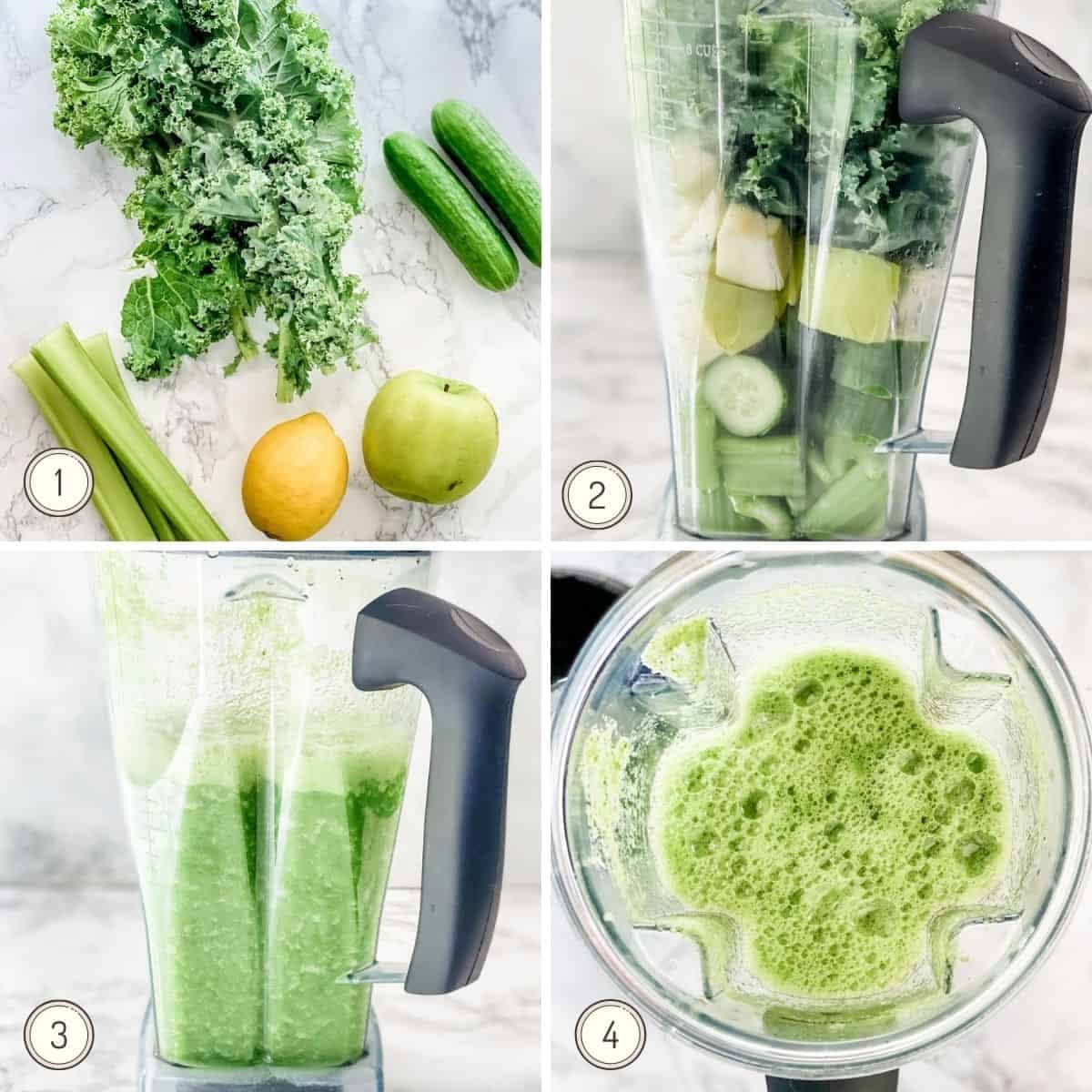
The easiest method is to blend the leafy greens with water first, then add the chopped vegetables and fruit. This gives the blades a better chance to reach the greens and helps prevent large pieces from sticking around the sides of the jar.
Set aside about 10 to 15 minutes for washing, chopping, blending, and straining. The exact time depends on your blender and how much produce you prepare.
Source: hannahmageerd.com
Step 1: Wash And Prepare The Produce
Start by washing your hands with soap and water. Clean your cutting board, knife, blender jar, lid, and other tools before preparing the ingredients.
Rinse the spinach and other produce under clean running water. Gently rub firm vegetables, such as cucumbers and celery, while rinsing. Remove damaged leaves, dirt, and any spoiled parts.
Do not use dish soap, household detergent, or bleach to wash fruits and vegetables. These products are not intended for cleaning food and may leave unwanted residues.
Cut the cucumber, celery, and apple into small pieces. Remove the apple core and seeds. Peel the lemon if you plan to blend the whole fruit, or simply squeeze its juice into the mixture.
Wash leafy greens
Separate the leaves and rinse away visible dirt.
Cut firm ingredients
Smaller pieces help reduce strain on the blender motor.
Remove unwanted parts
Discard spoiled leaves, tough stems, apple cores, and lemon seeds.
Step 2: Add Water And Leafy Greens
Pour about half a cup of cold water into the blender jar. Add the spinach and secure the lid. Start blending at a low speed, then increase the speed as the leaves break down.
If the spinach sticks to the sides, turn off the blender and use a spatula to move the ingredients toward the blades. Never put your hand or a utensil into a running blender.
Blend until the leaves form a smooth green liquid. This first step creates a liquid base that helps the other ingredients move through the jar.
Start slowly
A low speed helps keep leafy ingredients near the blades.
Add water when needed
A little extra liquid can help if the mixture is too thick to circulate.
Step 3: Add Cucumber, Celery, Apple, And Lemon
Add the chopped cucumber, celery, and apple to the blended spinach. Pour in the remaining half cup of water and add the fresh lemon juice.
If you enjoy a little spice, add a small piece of peeled ginger. Keep the amount modest because too much ginger can overpower the mild taste of spinach and cucumber.
Place the lid securely on the blender before switching it on. Check that the jar is properly seated on the base.
For more sweetness
Add a few more apple pieces rather than adding refined sugar.
For a sharper taste
Add a little more fresh lemon juice.
For a lighter drink
Add cold water in small amounts.
Step 4: Blend Until Smooth
Blend the ingredients at medium or high speed until the mixture looks even. The time will depend on the blender, the amount of produce, and how finely you cut the vegetables.
Stop the blender and inspect the mixture. If you see large pieces of celery or leafy greens, secure the lid again and continue blending. Avoid running the motor for longer than the manufacturer’s recommended cycle.
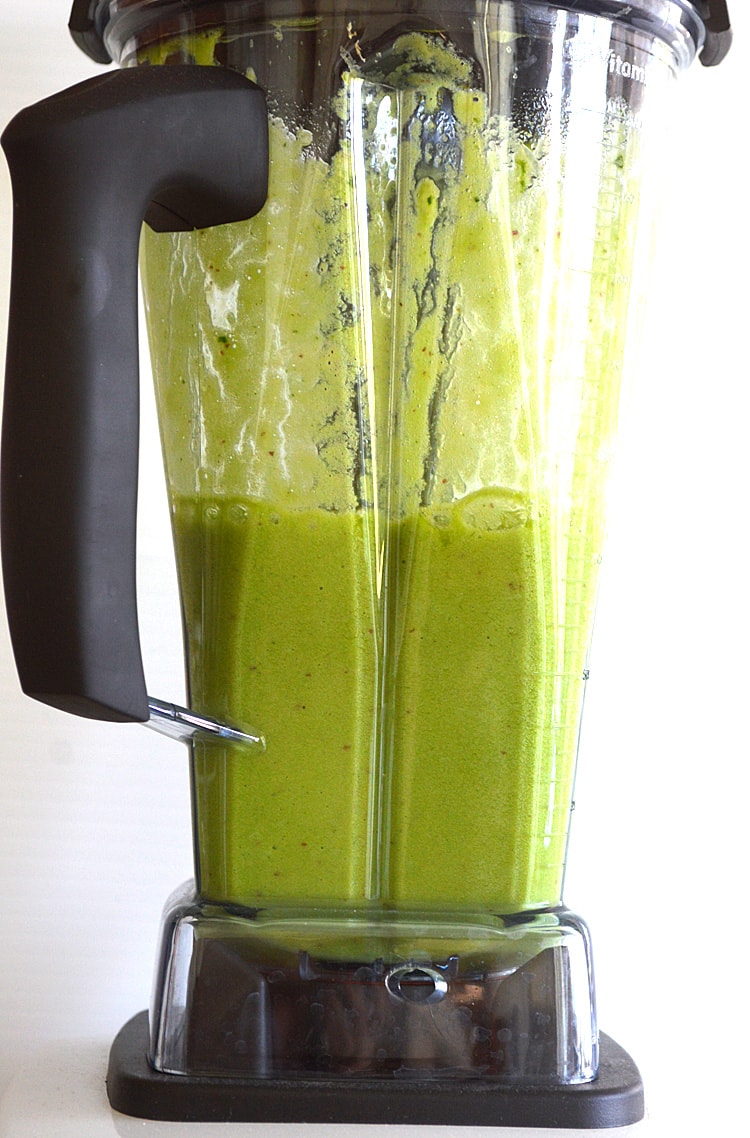
The mixture should have an even green color. If it is very thick, add another small splash of water and blend again. Do not add too much water at once because you may end up with a weak flavor.
Good blending result
The vegetables and fruit are broken down evenly, with no large chunks.
Too thick
Add a little water and blend again.
Too watery
Add a little more spinach, cucumber, or apple and blend again.
Step 5: Strain The Green Juice If Desired
You can drink the blended mixture without straining it. However, if you prefer a thinner juice, pour it through a fine mesh strainer placed over a large bowl or measuring jug.
Use the back of a clean spoon to gently press the mixture against the strainer. This helps some of the liquid pass through while the larger pieces of pulp remain behind.
For a clearer result, use a clean nut milk bag or several layers of clean cheesecloth. Pour the mixture slowly and squeeze gently. Be careful not to spill or splash the juice.
Straining removes much of the solid material, including some fiber. If you want to retain more of the whole produce, skip this step and enjoy the drink as a thicker blended beverage.
Fine mesh strainer
A simple choice for removing larger pieces of pulp.
Nut milk bag
Useful when you want a thinner drink with less pulp.
No straining
Keeps the pulp in the drink and creates a thicker texture.
Step 6: Taste And Serve
Taste the juice before serving. If it is too bitter, add a little more apple. If it tastes too sweet, add lemon juice or a small amount of cucumber.
Pour the finished drink into clean glasses. Serve it cold for a refreshing taste. If you want to chill it further, refrigerate it briefly rather than leaving it on the kitchen counter.
Give the drink a gentle stir before serving if the ingredients begin to separate. Natural separation is normal because the mixture contains different plant materials and water.
Taste first
Make small changes instead of adding large amounts of one ingredient.
Serve promptly
Freshly blended juice tastes best soon after preparation.
Easy Green Juice Recipe And Ingredient Measurements
Here is a simple recipe you can use as a starting point. It combines mild leafy greens, water-rich vegetables, fruit, and lemon for a balanced taste.
The quantities are flexible. You can change the amount of water depending on your blender and whether you want to strain the finished mixture. The final serving size will also change based on how much pulp you remove.
Source: mapleandmango.com
Preparation time
About 10 minutes, depending on how quickly you wash and chop the ingredients.
Blending time
Usually a few minutes, depending on the blender and texture you prefer.
Main ingredients
Spinach, cucumber, celery, green apple, lemon, and cold water.
Equipment
A blender, knife, cutting board, measuring cup, and optional fine mesh strainer.
Basic Two-Serving Green Juice
Add 2 cups of washed spinach, 1 chopped cucumber, 2 chopped celery stalks, 1 cored green apple, the juice of half a lemon, and 1 cup of cold water to your blender. Follow the blending steps above, starting with the spinach and part of the water.
Once everything is smooth, taste the mixture. Add more water if needed, then strain if you prefer a thin juice. Divide the finished drink between two small glasses.
This recipe is a useful base rather than a fixed formula. If you enjoy a stronger vegetable taste, reduce the apple. If you prefer a sweeter drink, use a sweeter apple variety.
For a mild flavor
Use baby spinach and a sweet apple.
For a stronger green flavor
Use kale or add a little parsley.
For a thinner texture
Increase the water gradually or strain the mixture.
How To Adjust The Recipe For One Person
For one serving, use about 1 cup of spinach, half a cucumber, 1 celery stalk, half an apple, a little lemon juice, and half a cup of water. You may need to increase the liquid slightly if your blender jar is large.
Avoid filling a large blender jar with too little food if the blades cannot reach the ingredients. Check your blender manual for the minimum recommended amount. A smaller personal blender jar may work better for a single serving.
Small batch
Use a suitable small blender jar or prepare two servings together.
Adjust the liquid
Add water slowly until the mixture moves freely.
How To Make Green Juice Taste Better
The easiest way to improve green juice is to balance bitter, sweet, sour, and fresh flavors. Leafy greens can taste strong on their own, so pairing them with cucumber, apple, and lemon often creates a more pleasant drink.
You do not need to add sugar to make green juice enjoyable. Whole fruit can provide natural sweetness, while lemon and cucumber help keep the drink fresh and light.
Source: smartblander.com
Add Fruit For Natural Sweetness
Green apple is a popular choice because it adds sweetness without making the drink taste like a fruit smoothie. Pear is another mild option. A small amount of pineapple can also balance strong leafy flavors.
If you are watching your sugar intake, remember that fruit still contains naturally occurring sugars. Use smaller portions and focus on the vegetables if you want a less sweet drink.
Green apple
Adds a mild sweet and slightly tart flavor.
Pear
Creates a soft, sweet taste that pairs well with spinach.
Pineapple
Adds a stronger tropical flavor and natural sweetness.
Use Lemon Or Lime
Lemon juice can brighten the taste of leafy vegetables and reduce the feeling of bitterness. Lime works in a similar way and gives the drink a slightly different citrus flavor.
Start with a small amount and taste the mixture before adding more. Too much citrus can make the drink overly sour and cover the taste of the vegetables.
Lemon
A simple choice for a clean, bright flavor.
Lime
Useful when you prefer a sharper citrus taste.
Try Fresh Herbs And Ginger
Mint adds a cool, fresh taste that works well with cucumber. Fresh ginger adds warmth and a little sharpness. Both ingredients can make a basic recipe taste more interesting.
Add herbs in small amounts because their flavor can become strong quickly. Remove thick herb stems if they do not blend well in your machine.
Mint
Pairs well with cucumber, apple, and lemon.
Ginger
Adds a spicy note that balances mild vegetables.
Parsley
Provides a fresh herbal taste when used in moderation.
Should You Strain Green Juice From A Blender?
Straining is optional. The right choice depends on the texture you enjoy and how much pulp you want in your drink. Both strained and unstrained green juice can be made with the same basic recipe.
When you strain the mixture, you remove much of the solid plant material. The drink becomes thinner and may feel more like juice from a traditional juicer. However, some fiber remains in the liquid, and the amount depends on the strainer and method.
When you leave the pulp in, you keep more of the original produce in the glass. This creates a thicker texture and can make the drink more filling. It may also be a better way to reduce food waste.
Source: ca.pinterest.com
Benefits Of Keeping The Pulp
Keeping the pulp means you consume more of the whole vegetables and fruit. Fiber is part of plant foods and supports normal digestion. A blended drink with its pulp also has more body than a strained drink.
If you do not mind a thicker texture, you can simply pour the juice into a glass after blending. Stir it before drinking if the ingredients start to settle.
More fiber retained
The drink keeps more of the fiber from the original ingredients.
Less food waste
You do not need to discard the pulp after preparation.
Thicker consistency
The drink has more body and may feel more filling.
When Straining Makes Sense
Straining is useful if you dislike the texture of blended greens or want a lighter drink. It can also help when your blender leaves small pieces of celery or tough kale in the mixture.
Remember that removing the pulp also removes much of the fiber. If fiber intake matters to you, consider drinking the unstrained version or using only a coarse strainer.
Smooth texture
Straining removes many larger particles.
Lighter drink
Removing pulp makes the mixture easier to pour and sip.
Less fiber
Much of the solid plant material stays in the strainer.
Common Green Juice Problems And How To Fix Them
Most blender green juice problems come from the ingredient balance, the amount of water, or the way the produce is prepared. Small changes can usually improve the next batch.
Before changing the whole recipe, identify what is wrong with the drink. A bitter flavor needs a different fix from a thick texture, and large vegetable pieces may point to a blending issue rather than an ingredient problem.
Source: www.pinterest.com
Why Does My Green Juice Taste Bitter?
A bitter taste can come from strong leafy greens, excess parsley, tough kale stems, or an unbalanced vegetable-to-fruit ratio. Some produce also tastes stronger as it becomes older.
Use spinach instead of a large amount of kale, remove tough stems, and add a little apple or pear. A small amount of lemon juice may also improve the flavor.
Reduce strong greens
Replace some kale or parsley with mild spinach.
Add fruit
Use a little apple or pear to balance the vegetable taste.
Check freshness
Do not use wilted, spoiled, or unpleasant-smelling produce.
Why Is My Green Juice Too Thick?
A thick mixture often means there is too much solid produce compared with the liquid. It can also happen when you use a lot of kale or blend a large amount of spinach without enough water.
Add cold water a little at a time and blend again. If you plan to strain the drink, remember that some pulp will be removed and the final liquid will become thinner.
Add more water
Use small amounts until the mixture reaches the desired consistency.
Blend in stages
Process leafy greens with liquid before adding the remaining produce.
Why Are There Small Vegetable Pieces?
Small pieces may remain when the blender has trouble processing long celery fibers or tough leafy stems. Large chunks of cucumber and apple can also make blending less even.
Cut firm produce into smaller pieces, remove tough stems, and blend the greens with water first. If your blender still leaves small particles, strain the finished mixture.
Cut smaller
Prepare firm vegetables and fruit in manageable pieces.
Check the liquid
Make sure there is enough water for the ingredients to circulate.
Use a strainer
Remove remaining fibrous pieces if you prefer a smooth drink.
Why Does My Blender Stop During Juicing?
A blender may stop or struggle when the jar is overloaded, the ingredients are too dry, or fibrous vegetables become trapped around the blades. Some machines also stop automatically if the motor gets too hot.
Turn off and unplug the blender before checking the jar. Follow the manufacturer’s instructions for clearing stuck ingredients or allowing the motor to cool. Never try to loosen food while the blades are moving.
Add liquid, reduce the batch size, and cut the ingredients into smaller pieces before trying again. If the machine continues to stop, makes an unusual noise, or smells like burning, stop using it and check the manufacturer’s troubleshooting guidance.
Avoid overfilling
Stay within the blender’s maximum fill line.
Use enough liquid
Add water so the blades can process the ingredients.
Allow cooling
Give an overheated motor time to cool according to the manual.
How To Store Homemade Green Juice Safely
Fresh blender juice is best when consumed soon after preparation. If you need to save some for later, transfer it to a clean, covered container and refrigerate it promptly.
Keep the refrigerator at 40 degrees Fahrenheit or below. Do not leave freshly made juice at room temperature for long periods, especially in a warm kitchen. As a general food safety rule, perishable foods should not remain at room temperature for more than two hours, or more than one hour when the temperature is above 90 degrees Fahrenheit.
A tightly covered glass jar can help protect the drink from odors and other foods in the refrigerator. Leave a little space at the top if you plan to freeze it because liquids expand as they freeze.
Homemade blender juice has no commercial pasteurization or validated shelf-life process. Its storage life depends on the ingredients, cleanliness, temperature, and handling. For the best quality, drink it the same day rather than assuming it will remain fresh for several days.
Discard the juice if it develops an unusual smell, visible mold, or other clear signs of spoilage. Do not taste a questionable drink to decide whether it is safe.
Source: nyssaskitchen.com
Can You Freeze Green Juice?
Yes, you can freeze green juice in a freezer-safe container. Freezing can help you save a portion for later, although the texture and flavor may change after thawing.
Leave room for expansion, close the container securely, and label it with the preparation date. Thaw the juice in the refrigerator and stir it well before drinking. Do not refreeze juice that has already thawed.
Choose a freezer-safe container
Use a container designed to handle freezing temperatures.
Leave expansion space
Do not fill the container completely to the top.
Thaw in the refrigerator
Keep the juice cold while it thaws and consume it promptly.
How To Clean The Blender After Making Juice
Clean your blender as soon as possible after use. Dried spinach, celery fibers, and fruit residue can stick to the jar and become harder to remove.
Unplug the blender and follow its cleaning instructions. If the manufacturer permits it, add warm water and a small amount of dish soap to the jar, then run the blender briefly with the lid secured.
Pour out the soapy water, rinse the jar thoroughly, and wash removable parts as directed. Be careful around the blades because they are sharp. Never put your fingers directly near the cutting edges.
Clean the jar
Remove leftover juice and wash away food residue.
Clean the lid
Wash areas where leafy pieces or juice may collect.
Dry the parts
Allow removable components to dry fully before storage.
Common Mistakes To Avoid When Making Green Juice
A simple green juice recipe can go wrong when you rush the preparation or add ingredients without considering their texture and taste. A few basic habits can make the process easier and help you get a better result.
The goal is not to follow a strict formula. It is to understand how each ingredient affects the final drink so you can adjust it without wasting fresh produce.
Source: www.pinterest.com
Adding too many bitter greens
Large amounts of kale, parsley, or other strong greens can create an unpleasant flavor. Begin with spinach and add stronger greens gradually.
Using too little water
A dry mixture may not circulate around the blades. Add enough liquid to help the blender process the ingredients.
Adding large vegetable pieces
Whole celery stalks and large fruit chunks can make blending harder. Chop them before adding them to the jar.
Overfilling the blender
Too much produce can prevent proper circulation and strain the motor. Follow the maximum fill line.
Adding too much fruit
A drink made mostly from fruit may contain more natural sugar than intended. Keep vegetables as the main ingredients if you want a vegetable-focused drink.
Leaving the juice unrefrigerated
Fresh homemade juice is perishable. Refrigerate leftovers promptly and avoid keeping the drink on the counter.
Ignoring blender instructions
Not every blender can process the same amount or type of food. Follow the manual and avoid operating the motor beyond its recommended limits.
Is It Better To Use Cold Or Room Temperature Water?
Cold water is a good choice when you want a cool, refreshing drink. It can also help keep the finished juice pleasant to serve without adding ice.
Room temperature water works too. The difference is mainly the serving temperature and texture rather than whether the ingredients can blend.
Cold water
Useful for a chilled drink that you want to serve right away.
Room temperature water
Works well when you plan to refrigerate the finished juice.
Is Homemade Green Juice Healthy?
Green juice can be one way to include vegetables and fruit in your diet. Spinach, cucumber, celery, and apples provide different nutrients, but the exact nutritional content depends on the ingredients and serving size.
Blending whole produce keeps more of the original fiber in the drink than straining it. Fiber is useful for normal digestive function and can help make meals more satisfying. If you strain the juice, much of the fiber stays behind in the pulp.
However, green juice should not be treated as a replacement for a varied diet. Eating whole vegetables and fruit also provides texture and helps you include fiber in meals. A glass of juice alone does not provide every nutrient your body needs.
Be mindful of fruit portions if you are monitoring carbohydrate or sugar intake. Apples and other fruit contain natural sugars, even when you do not add sweeteners. If you have diabetes, kidney disease, food allergies, or a medically prescribed diet, ask your healthcare professional how this type of drink fits your needs.
There is also no need to drink green juice as a detox treatment. Your body already has organs, including the liver and kidneys, that handle waste processing. Green juice can be a food choice, but claims that it cleanses toxins or cures disease are not established by the recipe itself.
Source: storage.googleapis.com
Does Green Juice Have Fiber?
Yes, blended green juice can contain fiber when you leave the pulp in the drink. The amount depends on the ingredients and how thoroughly you strain the mixture.
A strained drink generally contains less fiber because much of the solid plant material is removed. If fiber is your priority, use the unstrained method or eat the vegetables and fruit alongside your drink.
Unstrained
Retains more of the original plant material and fiber.
Strained
Removes much of the pulp and produces a thinner drink.
Can You Drink Green Juice Every Day?
Some people include a small glass of green juice in their daily eating routine. Whether that makes sense depends on the rest of their diet, the ingredients, and any health conditions or dietary restrictions.
Choose a recipe with plenty of vegetables and moderate fruit portions. Avoid using juice as a substitute for regular meals unless a qualified healthcare professional has advised you to follow a specific plan.
Keep portions sensible
Consider the fruit content and your overall food intake.
Eat whole produce too
Whole vegetables and fruit provide fiber and a more varied eating experience.
Consider personal needs
Follow medical advice if you have a condition that affects your diet.
Frequently Asked Questions
Q
Can I Make Green Juice In A Blender Without A Juicer?
Yes. A regular blender is enough to make green juice. Blend fresh spinach, cucumber, celery, apple, lemon juice, and water until smooth. Drink the mixture as it is or strain it through a fine mesh strainer for a thinner texture.
Q
How Long Should I Blend Green Juice?
Blend until the ingredients are broken down evenly and no large pieces remain. This may take a few minutes, depending on your blender, the amount of produce, and how small you cut the ingredients. Follow the manufacturer’s recommended operating time.
Q
Do I Have To Peel Cucumbers For Green Juice?
No. You can leave the skin on if the cucumber is fresh and has been washed well. Peeling is optional and mainly depends on your taste and texture preference. Remove damaged or unpleasant parts before blending.
Q
Can I Use Kale Instead Of Spinach?
Yes. Kale works well in green juice, but it has a stronger taste and tougher leaves. Remove the thick center stems, cut the leaves into smaller pieces, and blend them with water first. You can also combine kale and spinach for a milder flavor.
Q
Why Does My Blender Green Juice Separate?
Separation is normal because water and finely blended plant material do not always remain evenly mixed. Letting the drink sit can cause some pulp to settle. Stir or shake the juice gently before drinking.
Q
Can I Make Green Juice Without Adding Apple?
Yes. You can leave out the apple if you prefer a less sweet vegetable drink. Use cucumber, spinach, celery, and lemon as the base. A small piece of pear or a little pineapple is another option if you still want some natural sweetness.
Q
Can I Add Ice To Green Juice In A Blender?
Yes, if your blender is designed to crush ice. Add a small amount after the main ingredients have blended, or use chilled water instead. Check the blender manual before adding ice because some standard models are not designed to process it.
Q
Is Green Juice Better Strained Or Unstrained?
Neither method is automatically better for everyone. Strained juice has a lighter texture, while unstrained juice keeps more of the original pulp and fiber. Choose the method that fits your taste and dietary needs.
Q
How Long Does Homemade Green Juice Last In The Refrigerator?
For the best quality, drink homemade blender juice soon after making it, preferably the same day. Keep it in a clean, covered container at 40 degrees Fahrenheit or below. Its safe storage life depends on handling, cleanliness, and temperature, so do not assume it will remain fresh for several days.
Q
Can I Make Green Juice The Night Before?
You can prepare it the night before, but freshly made juice generally has a better texture and flavor. If you prepare it ahead, refrigerate it promptly in a clean, tightly covered container. Stir it before drinking because natural separation may occur.
✦ Wrapping Up
Conclusion
Learning how to make green juice in a blender is simple once you understand the right ingredient balance and blending method. You do not need a special juicer or a long list of ingredients. Fresh spinach, cucumber, celery, green apple, lemon, and water are enough to make a refreshing homemade drink.
Start by washing and chopping the produce. Blend the leafy greens with water first, add the remaining ingredients, and continue blending until smooth. Strain the mixture if you prefer a thinner juice, or keep the pulp if you want more of the original fiber.
The best recipe is one that suits your taste and fits your eating habits. Experiment with different greens, fruit, herbs, and citrus in small amounts. Keep the ingredients fresh, clean your blender after use, and refrigerate any leftovers promptly.
💡 Key Takeaway
For your first batch, blend 2 cups of spinach, 1 cucumber, 2 celery stalks, 1 green apple, the juice of half a lemon, and 1 cup of cold water. Taste it, adjust the flavor, and strain only if you prefer a thinner drink.